Access isn’t as easy as it once was, but with support, programs and community, kids can still find their way into the horse world
by Abigail Stark
The ‘90s and early 2000s are trending right now. The hair (some of it, at least), the clothing and most notably the nostalgia of a more simplified childhood. Life before iPads ruled the world, when your mom kicked you outside after school and you spent the rest of the day outdoors, coming home when the sun went down and dinner was ready. Back then, kids were expected to figure things out, stay busy and be responsible for something. For me, that something was horses.
My childhood was centered around one thing and one thing only. Horses.
Horses defined every aspect of my childhood. Every book, every activity, every movie and every waking moment revolved around them. I had the advantage of growing up in a family that lived the same lifestyle. We always had a string of sale horses and broodmares on the property, and my dad has been a full-time farrier my entire life.
The reality is that this is not the norm. Only a small percentage of children grow up immersed in the equine industry. I firmly believe horses gave me a set of invaluable life skills and a strong foundation to build my life on. Every child should have the opportunity to experience horses, not only for the skills they teach but also for the relationships and sense of community they create.
Of course, that sounds great in theory. Most parents will immediately think, “that sounds wonderful, but horses are expensive and time consuming. Why not soccer?” Cleats are cheaper than monthly board, and a ball is a lot less likely to buck you off.
The cost of involvement in equine activities has risen significantly over the past decade. Feed, farrier work, veterinary care, hauling and entry fees have all increased, often faster than the average household income. At the same time, accessible equine programs have declined. Some barns have closed, others have shifted to private training models, and fewer schools and community programs offer agricultural or horse-related opportunities.
So the question becomes “how do we adapt?” While costs continue to rise, there are still pathways that make involvement possible. Scholarships, team-based riding programs and educational communities are often overlooked, but they can make a significant difference in accessibility.
Why Are Horse Sports Different?
Horses provide something that is increasingly rare in today’s world — immediate and honest feedback. Unlike many traditional team sports where effort can be shared or hidden, riding requires full accountability. A horse responds directly to the rider’s body language, balance and emotional state. Research supports this, noting that the horse reacts clearly to human emotion and body language, offering a direct reflection of what the rider is communicating.
A 2025 review on horseback riding in youth found significant improvements in cognitive function, emotional regulation and behavior. Adolescents involved in equine-assisted activities showed increased social competence, reduced anxiety and even measurable decreases in cortisol levels after consistent riding. In simple terms, horses help kids think more clearly, feel calmer and interact more effectively.
Other physical benefits of riding include core strength, coordination and balance in a way that feels natural. It also develops some of the most important character traits for long-term success, including responsibility and integrity. More importantly, it builds resilience. Progress in the horse world is rarely immediate. It requires consistency, patience and the willingness to fail and try again.
Responsibility shows up in the daily work. Feeding schedules, stall cleaning, tack care and attention to the overall well-being of the animal are not optional. Horses depend on their people, and that dependence creates a sense of purpose that stays with kids long after they leave the barn.
Integrity is where horses separate themselves from most other activities. You cannot fake it. A half-groomed horse shows through a dull coat. An unfed or poorly managed horse shows in its condition. A rider who puts in minimal effort shows it in their progress. Horses reflect exactly what you give them. That kind of accountability is hard to replicate anywhere else.
Tips for Accessibility
Horses are expensive, but ownership is not the only way in.
One of the most accessible entry points is local riding lessons. Many barns offer group lessons at a lower cost than private sessions, allowing riders to learn the fundamentals without the financial commitment of ownership. Lesson programs also expose riders to a variety of horses, which often creates more adaptable and well-rounded riders.
Lease options can help bridge the gap between lessons and ownership. Half-leases or shared leases allow riders to gain consistency with one horse at a fraction of the cost.
There are also structured programs designed specifically to reduce financial barriers. The Interscholastic Equestrian Association offers competition opportunities for riders in grades four through 12 without requiring horse ownership. Horses are provided, and riders compete in a draw-based format, meaning they ride unfamiliar horses. This levels the playing field and places emphasis on skill rather than resources.
When it comes to saving money, a few practical strategies can go a long way:
- Buy used tack and clothing whenever possible.
- Share equipment within barn communities.
- Focus on skill development rather than constant showing.
- Be selective with competitions and travel.
- Invest in quality basics instead of frequent upgrades.
These strategies do not eliminate cost, but they make participation more manageable and sustainable.
Programs and Opportunities
Programs and scholarships play a key role in keeping youth involved in the horse industry.
Organizations like the Interscholastic Equestrian Association go beyond competition. In 2024 alone, IEA awarded more than $1.5 million in senior cash and collegiate scholarships. These opportunities reward dedication, sportsmanship and academic effort alongside riding ability.
The American Quarter Horse Association also offers extensive youth programming and scholarship opportunities. Since 1978, the American Quarter Horse Foundation has awarded more than $10 million in scholarships, with annual awards ranging from $1,000 to $50,000. Their mission emphasizes leadership development through competence, character and commitment — values that are naturally reinforced through working with horses.
Additional programs such as Pony Club and 4-H provide structured, education-based pathways into the equine world. These organizations emphasize horsemanship, safety, teamwork and community involvement, often at a lower cost than traditional competition circuits.
Horses do more than teach riding. They open doors. They create opportunities for scholarships, career paths and lifelong connections. They build networks of mentors and peers that extend far beyond the barn. Most importantly, they give young people a foundation of discipline, empathy and resilience that carries into every aspect of life.
The Equine Community’s Role
It is easy to look at rising costs and changing priorities and assume that horses are becoming less relevant. When you take a closer look, the opposite is true. Horses remain one of the most powerful tools we have for developing capable, grounded and resilient young people.
They teach kids how to work hard when no one is watching. They teach emotional control under pressure. They build confidence that is not dependent on outside validation.
The barriers are real. Cost, access and awareness all play a role in limiting participation. But the solutions are there as well through lesson programs, team-based organizations, scholarships and strong community support.
Ultimately, the responsibility falls on all of us. Barn owners, parents, riders and industry professionals need to make these opportunities visible and accessible. Because when a child steps into a barn, meets a horse and learns to communicate without words, they gain more than a skill. They gain a lifelong perspective.
Building More Than Riders
How does a 1,000-pound animal expand a kid’s horizons? For many families, the answer goes far beyond riding skills.
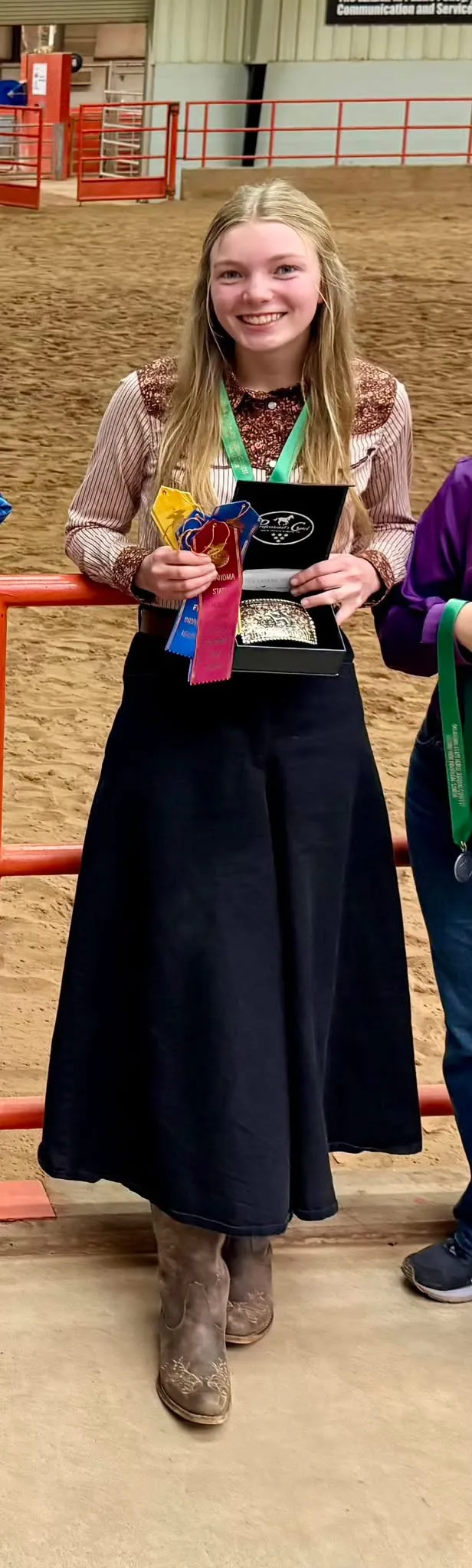
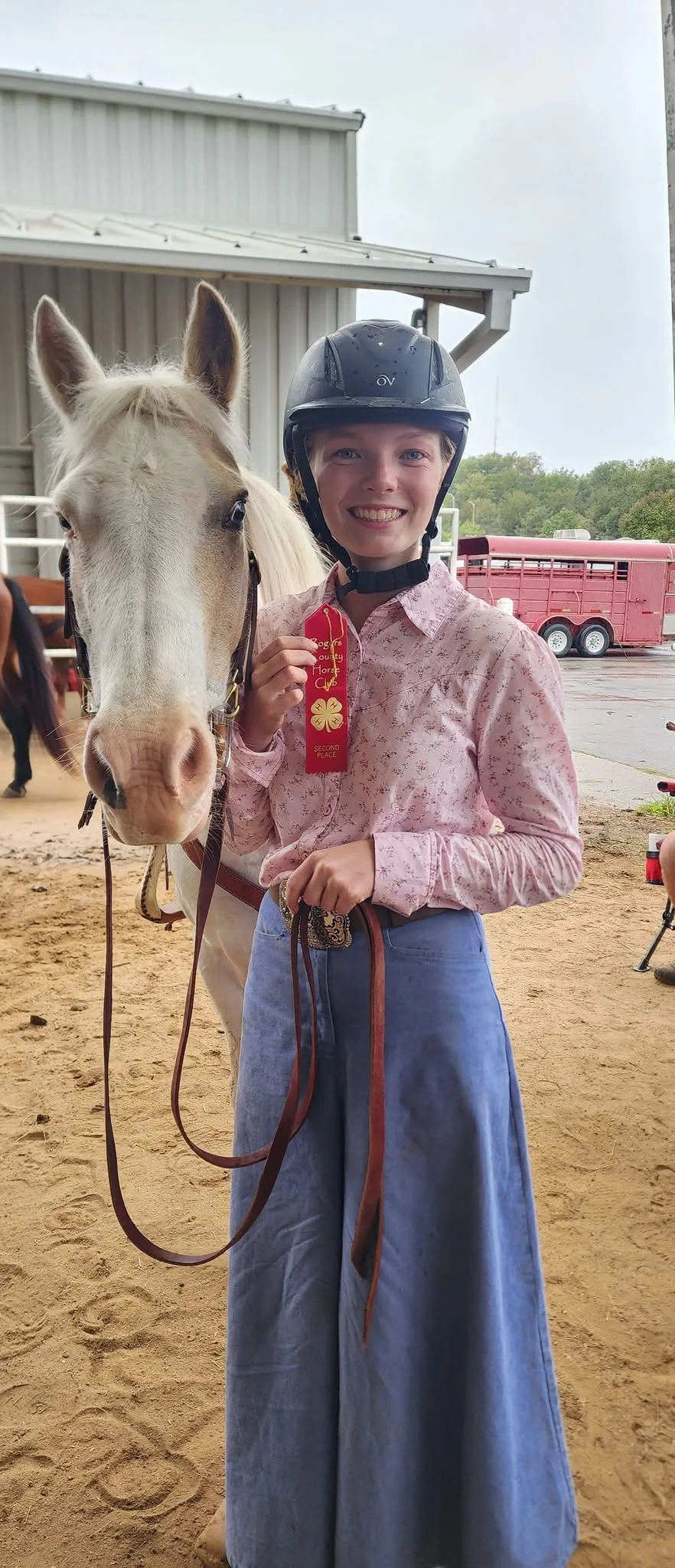
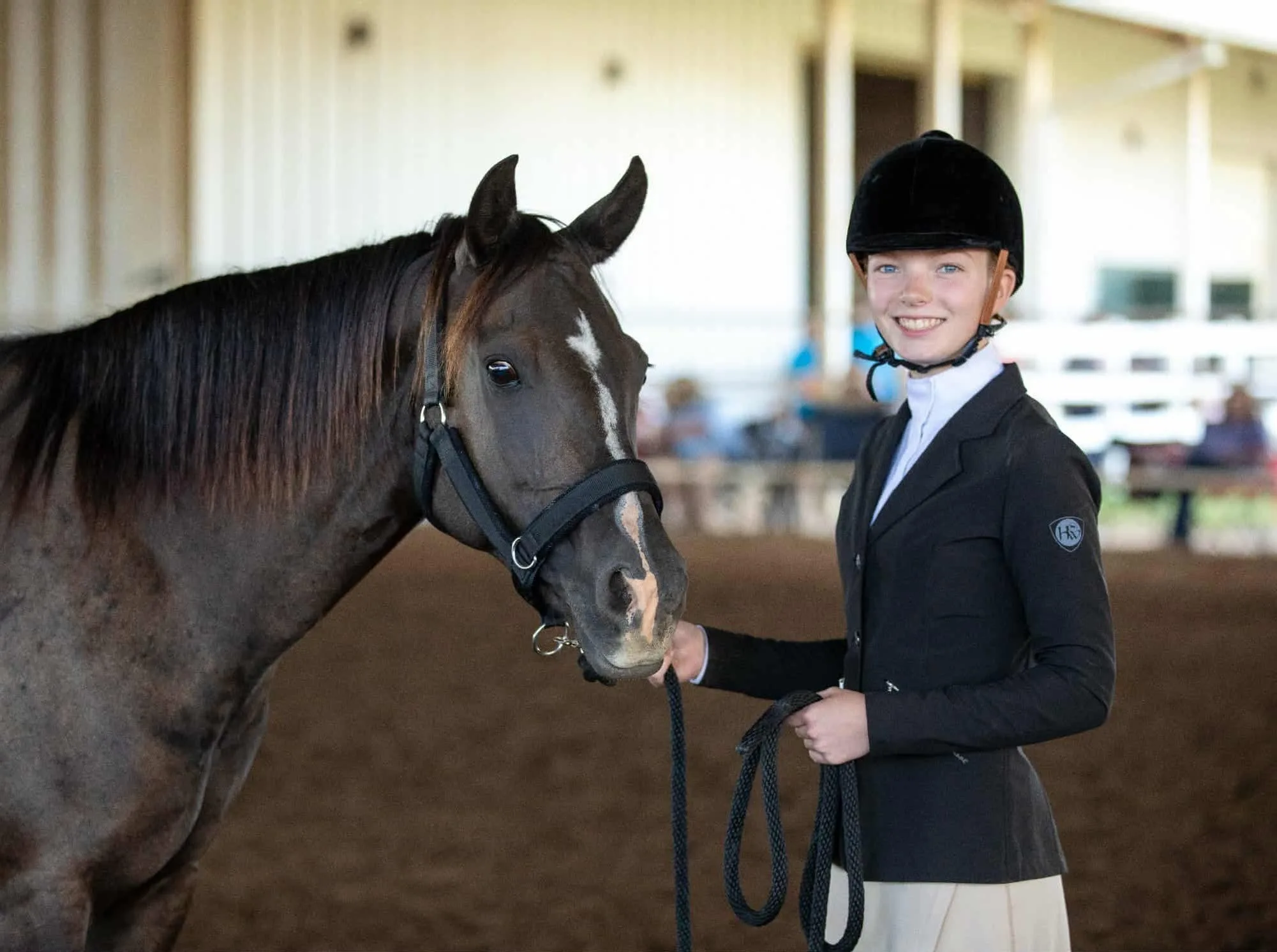
Amberly Burger says the impact on her 16-year-old daughter Emily has been exponential. Through horses and her involvement in 4-H, Emily has grown not only as a horsewoman, but also as a leader in the community.
“Her 4-H Club goes to the veterans center a few times a year to visit with them, decorate their doors for the holidays, sing carols at Christmastime and more,” Amberly shares.
Emily’s journey began at age 11, when a birthday party trail ride first sparked her interest in horses. Five years ago, she joined the TLC (Training, Leadership and Community) 4-H Club in Claremore, and after two years, she found her place in the Rogers County 4-H Horse Club. This year, she serves as club president and recently earned the Senior Citizenship award at the Rogers County awards ceremony.
Both mother and daughter credit horses — and their faith — as the foundation of that growth.
“Having horses has taught me so much,” Emily says. “From things like grooming, riding and horsemanship, to genuine character-building, such as patience, confidence, communication skills, business mindedness and overall being more able to work through tough situations.”
Through 4-H, those lessons have expanded even further.
“4-H has been an amazing experience for me!” Emily says. “I have gained so much confidence. When I first joined, I was very timid and scared to speak. Now I lead meetings and present speeches in front of the club.”
Service has also become a central part of her experience, from collecting donations for Wild Heart Ranch to visiting veterans and organizing community projects.
“I truly believe that 4-H is one of the best places for youth to make great friends, learn new things and gain confidence in both the little and big things,” Emily says.
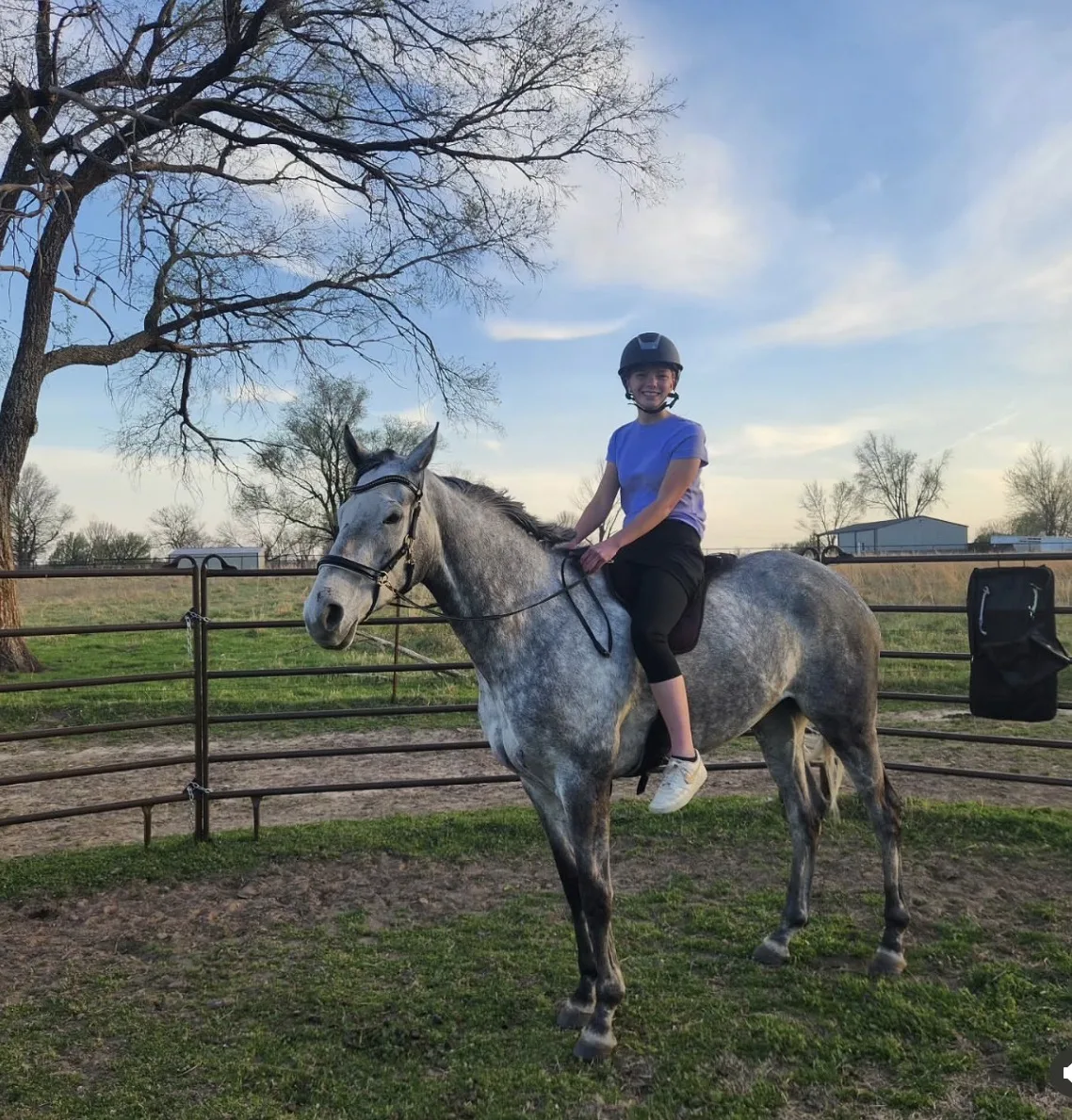
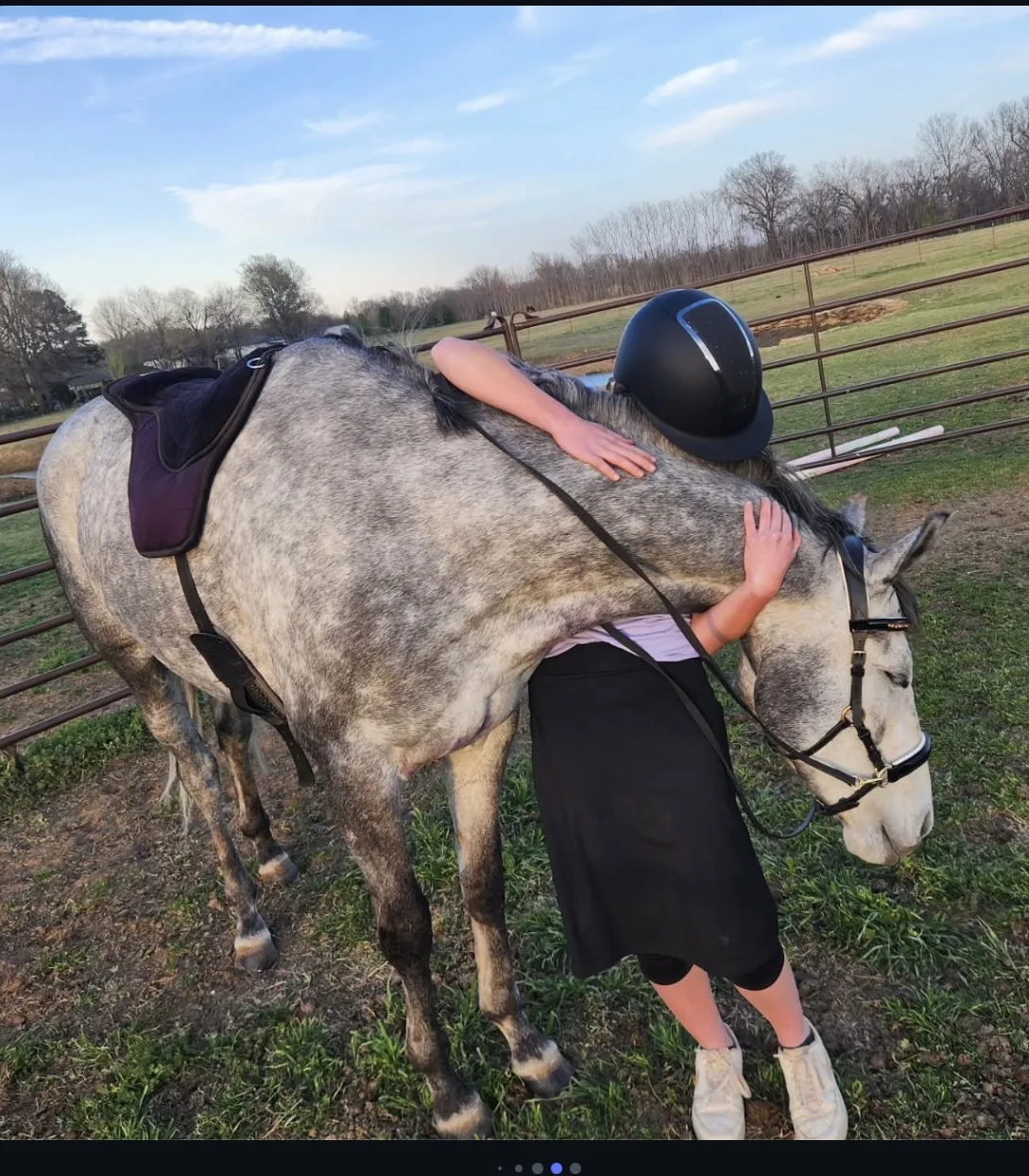
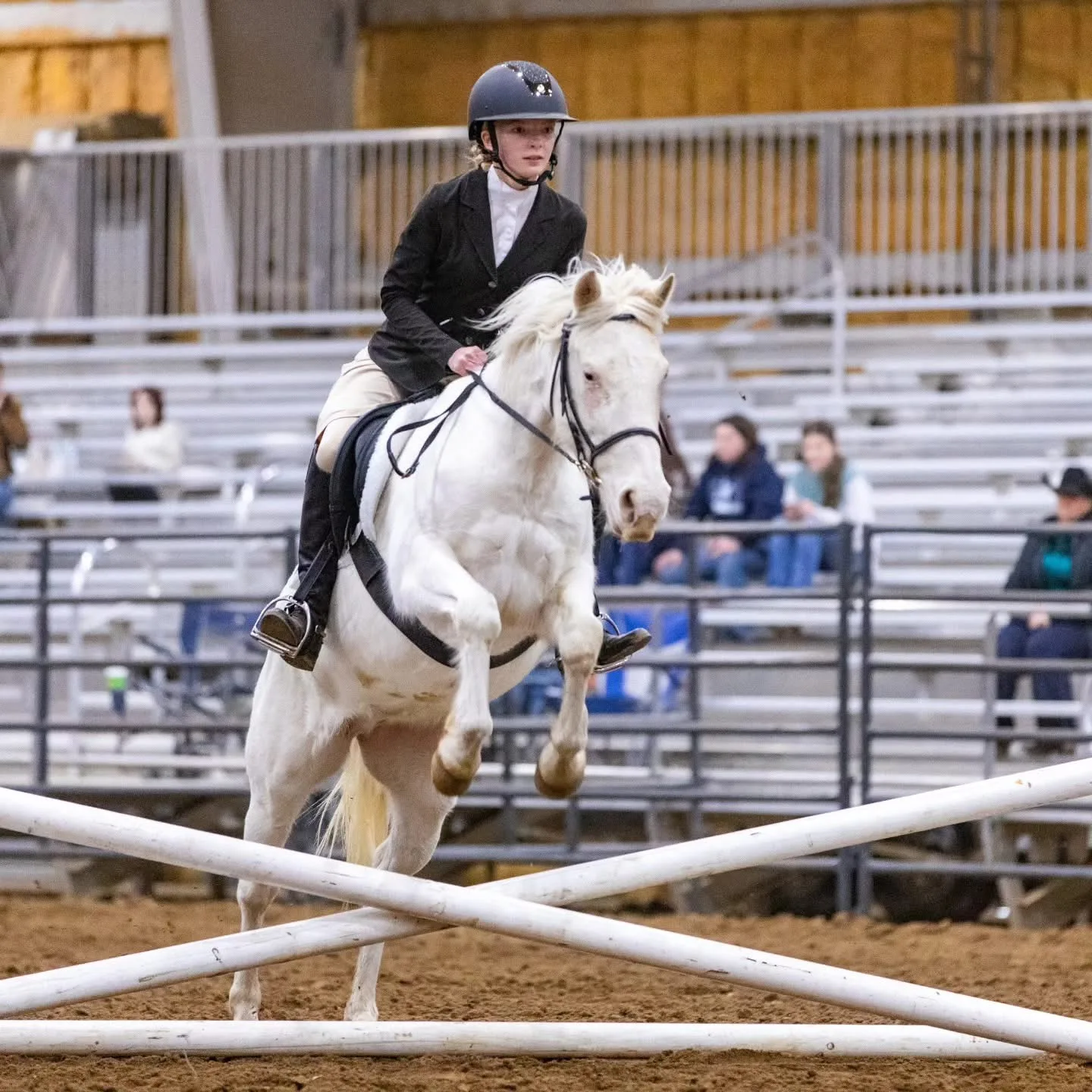
That confidence now carries into her next challenge: training Legacy, a 5-year-old off-the-track thoroughbred gifted to her by another 4-H family. Emily is working to restart the mare with hopes of eventually competing in hunter jumper — a goal that will require patience, persistence and dedication.
“I absolutely believe that having horses has been one of the greatest blessings of my life,” Emily says. “I’ve been given so many opportunities and made some amazing friends.”