Mosquito Protection for Horses
by Ashley Daily
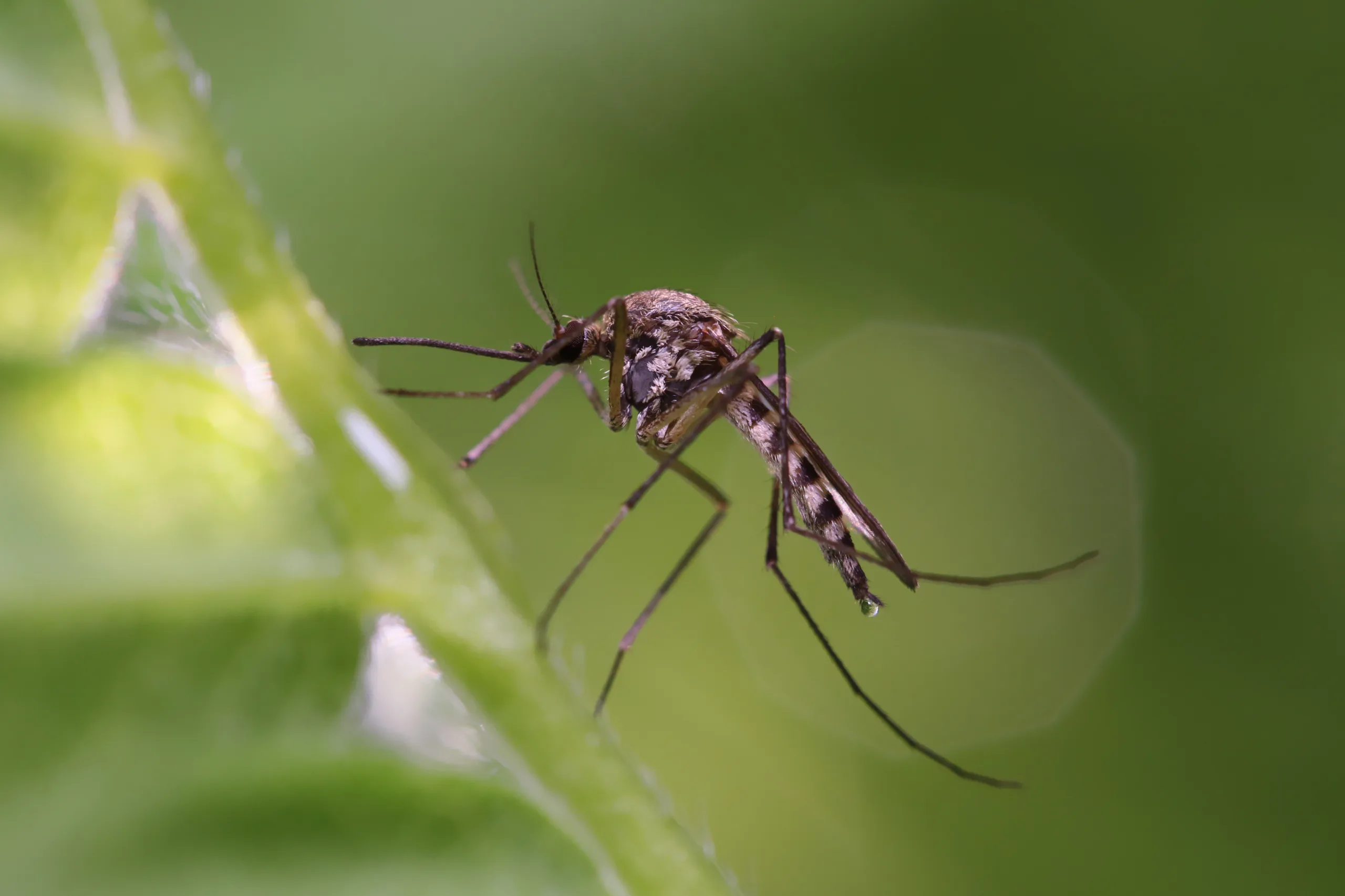
The mosquito is often jokingly called Oklahoma’s state bird. It’s an earned reputation: more than 60 species live here, placing the Sooner State among the top 10 for mosquito populations.
Mosquitoes are not only a major annoyance during outdoor activities, but they can also spread diseases to animals and humans, so reducing the mosquito population on your property is critical.
Mosquitoes go through a four-stage metamorphosis: egg, larva (wiggler), pupa and adult. The larval and pupal stages survive and develop only in water. Female mosquitoes will lay 50 to 300 eggs at a time, producing up to four batches of eggs during their lives. Only females consume blood, which contains essential nutrients needed to develop their eggs after mating. Most mosquitoes lay their eggs in stagnant water, but others, such as those belonging to the Aedes genus, lay their eggs on the inner walls of containers above the waterline. Eggs usually hatch within 48 hours of contact with water, and then the cycle begins again.
Mosquitoes are known to transmit a number of diseases, with West Nile virus (WNV) being the most familiar. WNV is transmitted to horses and humans by mosquitoes that become infected with the virus after feeding on infected birds. WNV first appeared in North America in 1999, and the first vaccine for horses was released in 2001, receiving USDA licensure in 2003. The American Association of Equine Practitioners (AAEP) lists the West Nile vaccine as one of the core vaccinations recommended for all horses. Unfortunately, despite being easily and effectively preventable with proper vaccination, WNV is still a concern in America, with more than 300 equine cases reported in 2023.
Often, horses that become infected with WNV show no ill effects, but others can develop serious symptoms, including swelling of the brain (encephalitis). Clinical signs of WNV in horses include — but are not limited to — fever, incoordination and sensitivity to touch or sound. Horses that are seriously affected might be unable to rise (recumbent) or experience seizures. If you notice any of these signs, call a veterinarian immediately. Symptoms of WNV can mimic those of other diseases, so it is important to get a proper diagnosis from your veterinarian. WNV cannot be spread from horse to horse or from horse to human.
There is no specific cure for WNV; instead, supportive care is used to treat the clinical signs. This might include intravenous (IV) fluids and anti-inflammatory medication. Fortunately, many horses that contract the disease make a full recovery. However, some horses experience lingering effects of WNV, such as gait abnormalities.
Owners are probably aware of home remedies “guaranteed” to prevent mosquitoes from using their horse as a buffet; however, some of these remedies are not proven to be effective and might even be harmful. For example, it is believed that rubbing citrus peel or onion on a horse’s coat will deter pests. This might be successful in warding off mosquitoes, but it might instead attract other insects. Onion can also be toxic to horses.
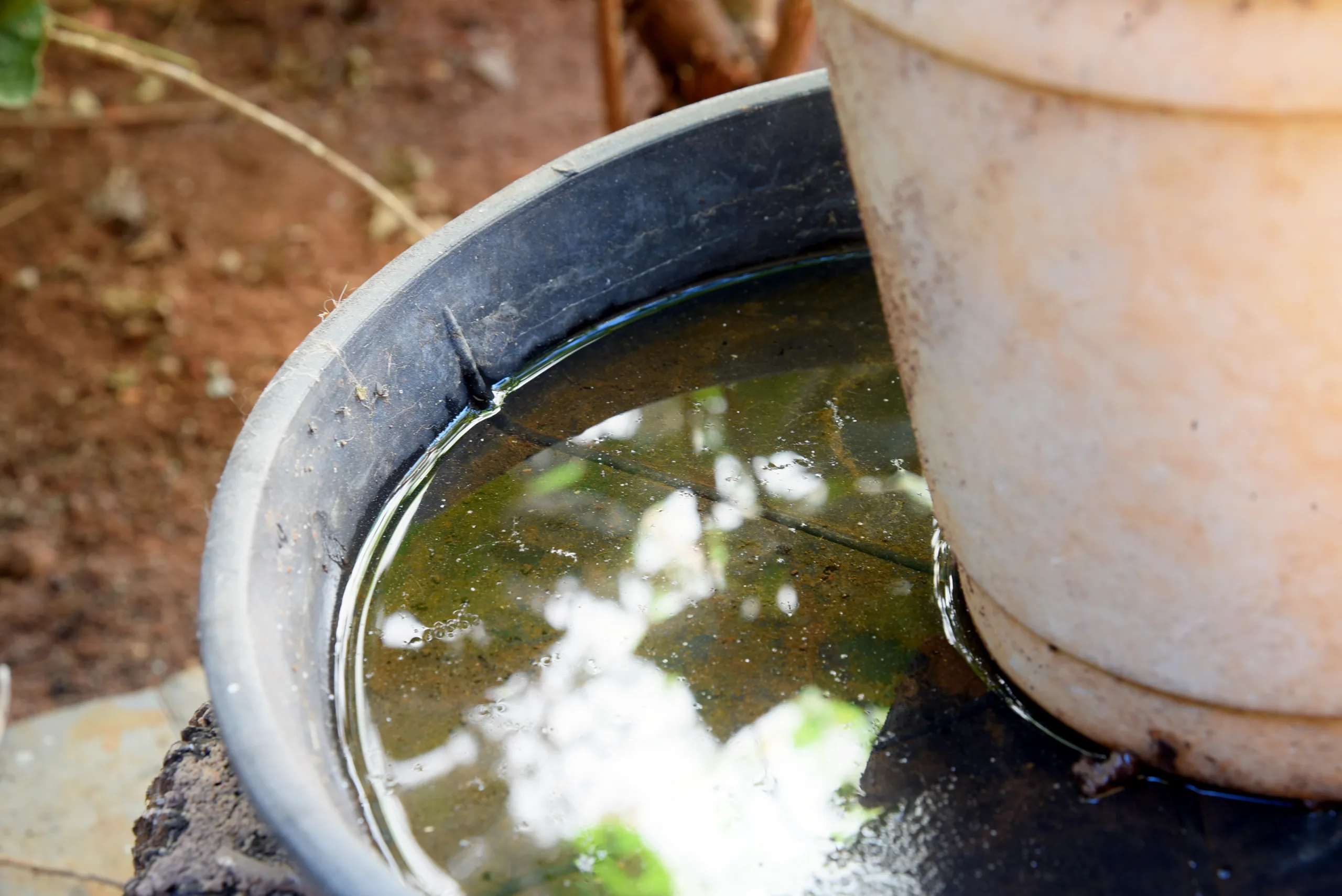
One of the best ways to protect horses from mosquitoes is to implement a mosquito control plan. Because mosquitoes lay their eggs in stagnant water, it is important to reduce, if not eliminate, standing water on your property. Clean gutters regularly, and store wheelbarrows upside down when not in use. Rain barrels should have a screen cover to prevent mosquitoes from laying eggs in them. Many farms have discarded tires lying around. If possible, take them to a recycling center for proper disposal. Stocking ponds with fish to eat mosquito larvae is another natural approach to mosquito control.
Applying spray to horses can protect them from mosquitoes, but read labels carefully to make sure they list mosquitoes and that the product is safe for use on horses. Lightweight fly sheets and masks with ears can also guard against mosquitoes.
Mosquitoes prefer to feed in low-light conditions, such as in wooded areas and during dusk and dawn. If mosquitoes are a concern in your area, it might be necessary to stall horses during peak feeding hours if possible.
Mosquitoes are delicate insects and find it difficult to fly in strong winds, so placing box fans in barns and run-in sheds can help. Fans will also help disperse heat and carbon dioxide that mosquitoes use to find hosts. Be sure to use only fans that are labeled for agricultural use, as box fans sold for home use can overheat from dust and debris and become a fire hazard.
It is impossible to completely eradicate mosquitoes from your property, but by following a few guidelines and working with your veterinarian on a vaccination plan, you can get the upper hand on these blood-sucking pests.
For more information on mosquitoes, visit the American Mosquito Control Association website at mosquito.org.