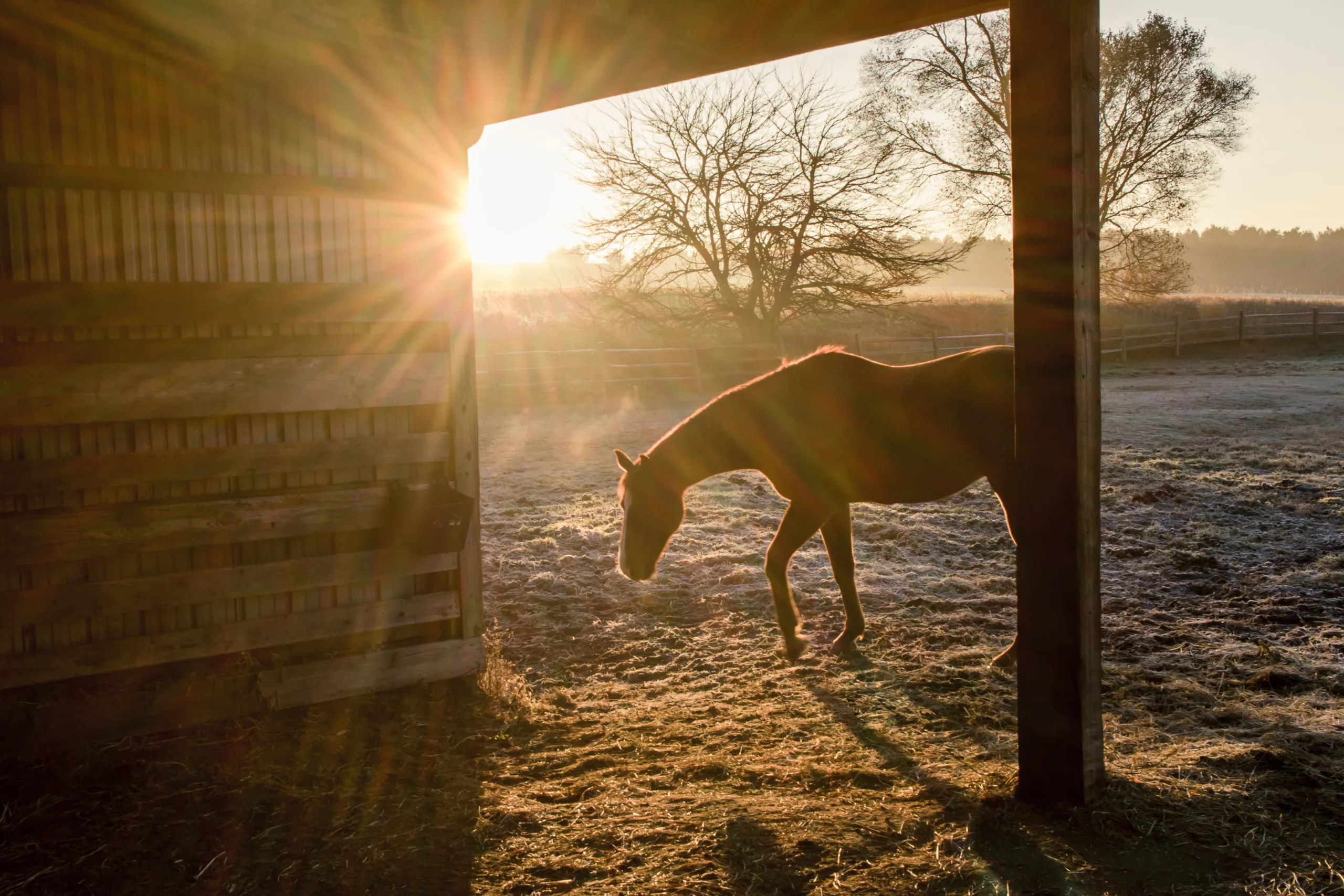
Fall management strategies in nutrition, dental care and shelter help senior horses maintain weight, comfort and health through the colder months.
by Abigail Stark
As summer gives way to fall, many horse owners begin thinking about cooler temperatures, winter hay supplies and blanketing schedules. While every horse benefits from seasonal preparation, senior horses often require additional attention before cold weather arrives. Taking a proactive approach in the fall can help older horses maintain weight, stay comfortable and avoid many of the challenges winter brings.
One of the best places to start is with a veterinary visit. A fall wellness exam provides an opportunity to discuss age-related concerns, evaluate body condition, review vaccination and deworming schedules, and create a feeding plan tailored to the horse’s individual needs. Older horses often experience changes in metabolism, digestion and overall health that can make winter more challenging if those issues aren’t addressed early.
Body condition scoring is an important tool for determining whether a horse is prepared for colder weather. Thick winter coats can conceal weight loss, making hands-on assessments especially valuable. Owners should routinely evaluate fat coverage over the ribs, neck, withers, topline and hindquarters. Horses that enter winter underweight may struggle to maintain body condition once temperatures drop and calorie requirements increase.
Nutrition is one of the most important components of winter preparation. As horses age, they often become less efficient at digesting and utilizing nutrients. Working with a veterinarian to establish an appropriate feeding program can help identify nutritional gaps before they become significant problems.
According to the United States Equestrian Federation, “Senior feeds that offer improved digestibility and higher fats can be a great option for many older horses.” These feeds are specifically designed to help aging horses maximize nutrient absorption while providing additional calories that may be needed during colder months.
However, not every senior horse has the same nutritional requirements. The USEF also notes that “for horses with chronic laminitis, metabolic disorders or Cushing’s, you’ll need to be careful not to feed too much sugar or carbohydrates.” In these cases, lower-carbohydrate feeds or customized feeding programs may be more appropriate. A veterinarian can help determine the safest and most effective approach.
Dental care should also be a priority heading into winter. Many senior horses develop worn, missing or uneven teeth that affect their ability to chew forage properly. Even horses that appear to be eating normally may struggle to process hay efficiently. Scheduling a dental examination and float, when recommended, can improve feed utilization and help prevent unnecessary weight loss during the colder months.
Forage remains the foundation of most equine diets and plays an especially important role during winter. The digestive process generates heat, making adequate fiber intake one of a horse’s best natural defenses against cold weather. Unfortunately, some older horses have difficulty consuming enough long-stem hay because of dental limitations.
When this occurs, hay cubes, hay pellets, chopped forage products, soaked forage alternatives or complete senior feeds may provide suitable options. Fall is the best time to identify these needs and gradually introduce dietary changes before winter weather arrives.
Shelter also plays a critical role in helping senior horses conserve energy. Wind, rain and wet snow can dramatically increase heat loss and calorie requirements. Access to a run-in shed, barn, natural windbreak or other form of shelter can help older horses stay dry and comfortable while reducing the energy they must expend to maintain body temperature.
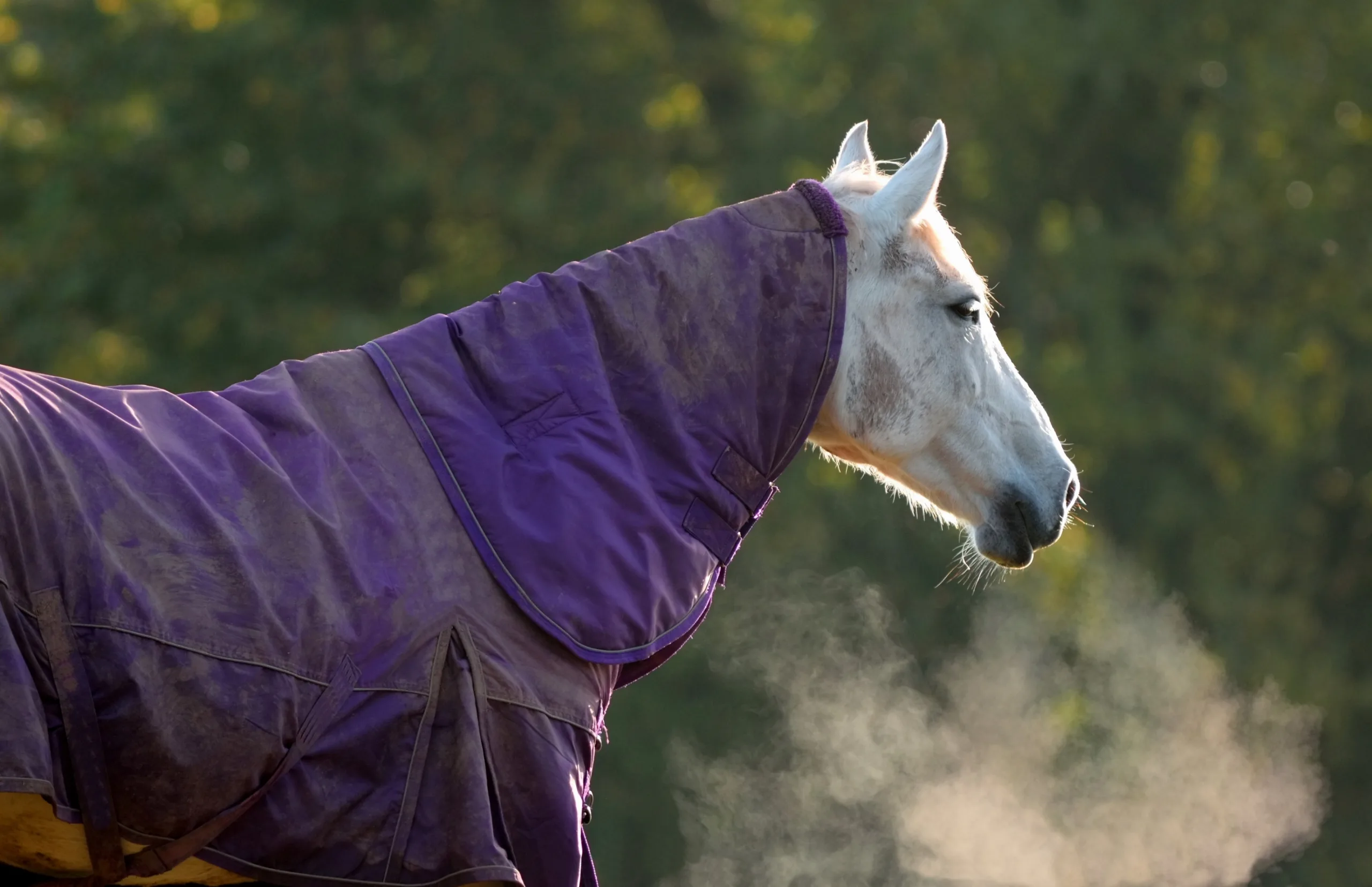
Blanketing is another consideration that deserves attention. While many healthy horses grow thick winter coats capable of providing excellent insulation, senior horses may have a harder time regulating their body temperature. A horse’s age, body condition, overall health and weather conditions should all factor into blanketing decisions.
General guidelines from SmartPak suggest clipped horses may wear a light blanket between 50 and 40 degrees Fahrenheit, a medium-weight blanket between 40 and 30 degrees and a heavy blanket below 30 degrees. Unclipped horses with a full winter coat typically require less protection, often needing only a light blanket between 40 and 30 degrees and heavier options as temperatures drop further.
Regardless of weight, proper fit is essential. Blankets that are too tight can create pressure points and restrict movement, while those that are too loose may shift, rub or allow cold air and moisture to penetrate.
Water consumption is another often overlooked aspect of winter horse care. As temperatures decrease, many horses naturally drink less, increasing their risk of dehydration and impaction colic. This can be especially concerning for senior horses.
The University of Kentucky emphasizes the importance of maintaining access to both water and minerals during colder months. According to the university, “During cold months, it’s important to provide a salt/mineral lick and make sure that they are always available and accessible.”
The university further notes that “sufficient water intake in the winter for senior horses is important to help prevent impaction colic.” Sources should be checked regularly to ensure they remain unfrozen and easily accessible, and footing around tanks and troughs should be kept safe to encourage horses to drink comfortably.
Preparing a senior horse for winter begins long before the first freeze. By scheduling veterinary and dental examinations, evaluating body condition, developing an appropriate feeding plan, ensuring adequate shelter and monitoring water intake, horse owners can help their aging partners transition into winter in the best possible condition. A little preparation in the fall can go a long way toward keeping senior horses healthy, comfortable and thriving throughout the coldest months of the year.