The Western Dressage Association of America World Championship Show highlights the inclusiveness and versatility of Western Dressage.
by Ashley Daily
Photos courtesy of Patty Couch
Grace, precision and partnership define dressage, where horse and rider perform a carefully choreographed series of movements that showcases athleticism, communication and trust.
The word “dressage” comes from a French term meaning “training.” The sport traces its roots to classical Greek horsemanship and became an Olympic sport in 1912. Often described as ballet on horseback, dressage is built on the principles of rhythm, suppleness, contact, impulsion, straightness and collection.
Western Dressage is a relatively new discipline that combines the principles of classical dressage with the traditions of Western riding. Western Dressage is not to be confused with Cowboy Dressage, a discipline more closely related to vaquero horsemanship and governed by its own organization.
Western Dressage tests vary in difficulty, beginning at the introductory level with walk-jog only and progressing to higher levels that incorporate more advanced maneuvers such as leg yields and the half-pass. Horse and rider are judged on gaits, impulsion, submission and the rider’s position and seat. Scores are awarded on a scale of 0 to 10, with 10 meaning “excellent.”
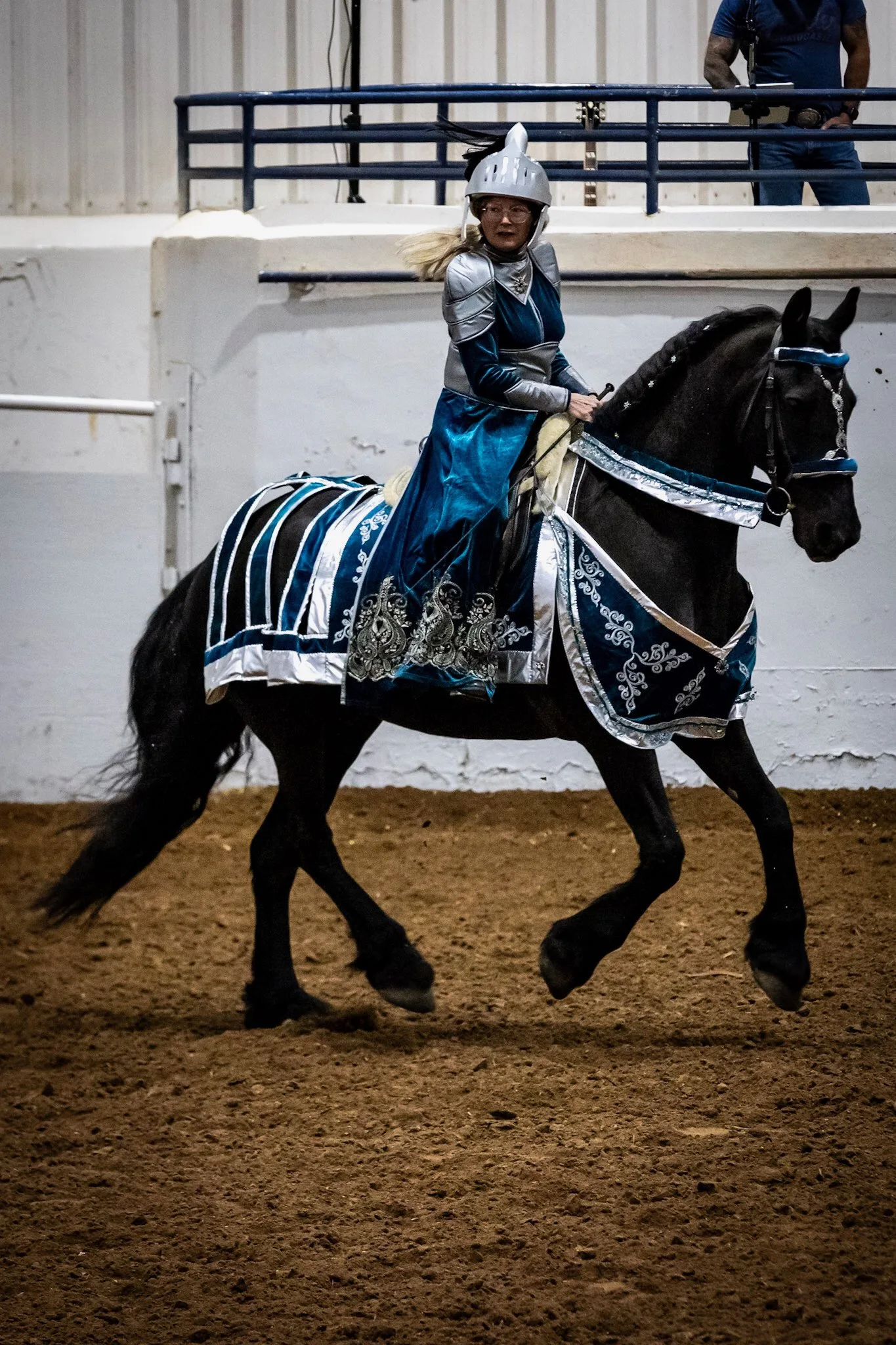
The ultimate goal of Western Dressage is to help horse and rider develop a harmonious partnership. The ridden tests provide an opportunity for horses and their riders to demonstrate their growth, with judges providing scores and feedback. Rail classes are also offered in Western Dressage Suitability, Equitation and Hack. The Musical Freestyle and Costume Freestyle are a favorite among exhibitors and spectators alike. In these classes, exhibitors are tasked with choreographing a dressage ride set to the music of their choosing.
In 2007, a group of horse enthusiasts gathered in a small-town Texas kitchen to discuss the value of dressage training for Western horses. Their efforts eventually led to the formation of the Western Dressage Association of America (WDAA) in 2010. Based in Parker, Colorado, WDAA is dedicated to promoting Western Dressage and educating those interested in the discipline.
The first WDAA World Championship Show was held in conjunction with the Color Breed Congress at Tulsa’s Expo Square in 2012. That first show saw 25 exhibitors over a two-day period. From there, the World Championship Show skyrocketed, becoming an event that welcomes exhibitors from across the United States and Canada.
In 2016, the World Championship Show was moved to the Lazy E Arena in Guthrie, where it now shows in four separate arenas over the course of five days. The 2025 event welcomed 246 exhibitors who completed over 1,100 tests during the competition.
Western Dressage can provide a rewarding experience for both horse and rider and often offers a second or even third career for equines, including rescues and off-track Thoroughbreds.
One thing that makes Western Dressage so special is its inclusiveness. The discipline is open to riders and horses of all ages, as well as to horses and ponies of all breeds, including gaited breeds and mules. From Andalusians to Fjords, Icelandics to Mustangs, these breeds and many more travel to the World Championship Show, an event described as “a non-stop presentation of superior horsemanship, happy horses and exhibitor comradery.”
“Coming to the WDAA World Show is like being a kid in a candy store because we have over 50 different breeds of horses at the show,” says WDAA Executive Director Dini Swanson.
The organization prides itself on providing a welcoming environment for everyone involved. “It’s a very open and gregarious group; they’re very welcoming,” says Swanson. “They love to have people visit them in the stalls, and they love to talk about their horses.”
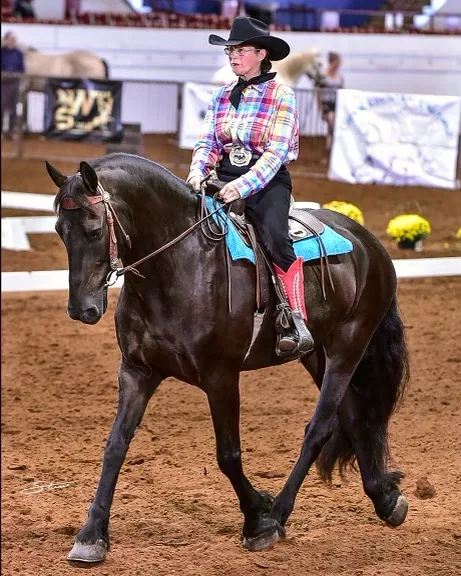
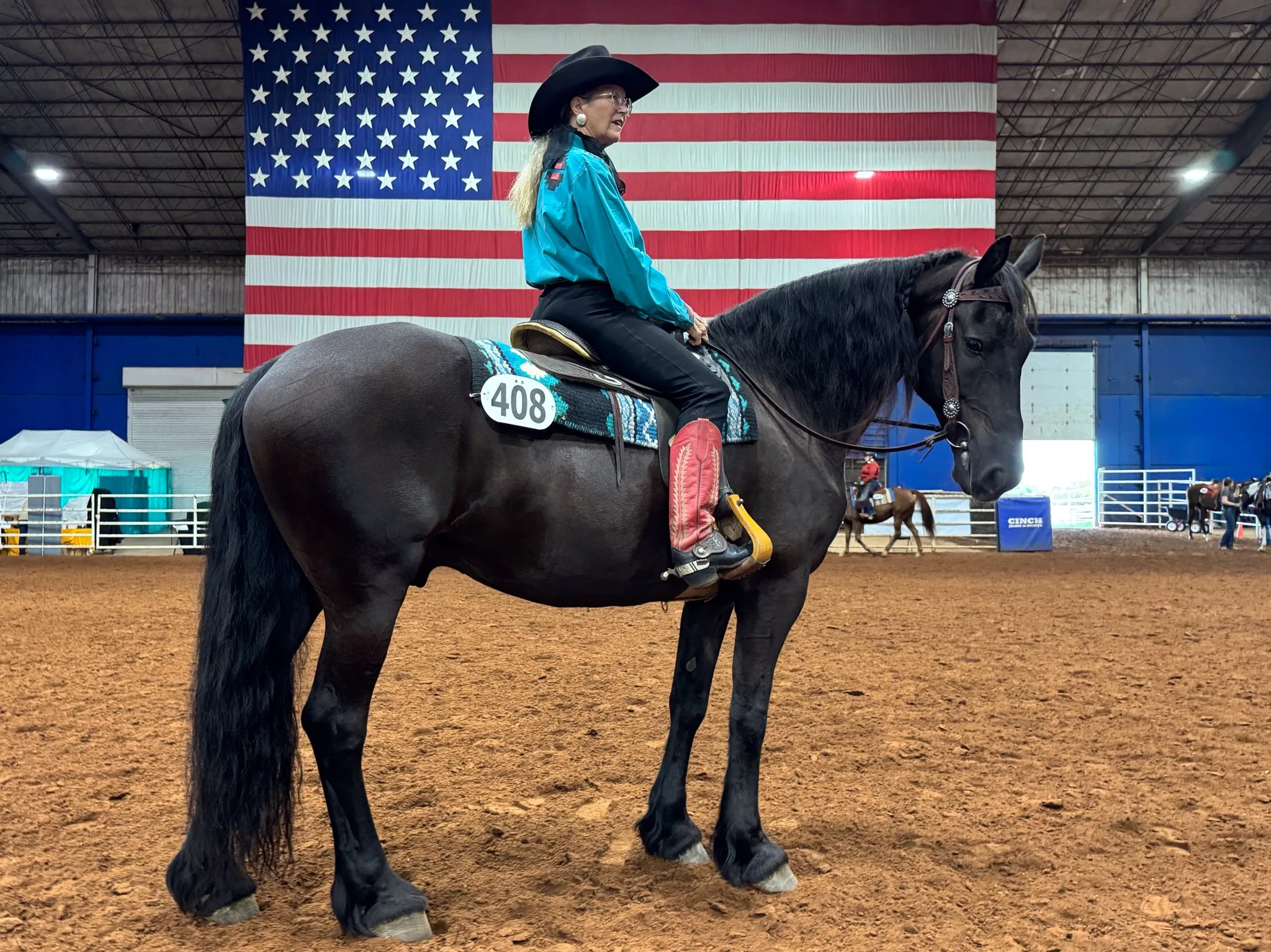
Patty Couch, a dressage trainer in Inola, has competed at the World Championship Show since its debut in 2013. Couch’s main mount is a Friesian gelding named Gallant Prince Von G, known as Prince, whom she has owned since the day he was foaled. Prince began competing as a 3-year-old and soon earned a reputation for his outstanding versatility. In 2026, Prince achieved “Super Horse” status in the WDAA Lifetime Points Program, becoming only the second horse to earn the award.
“It’s just a really fun show. The people are really friendly. The competitors are friendly and fun, and it’s good competition,” says Couch. “Another thing I love about WDAA is the variety of horses that compete. We usually have numerous breeds represented and even mules. There are classes for gaited horses, too. It’s fun to see such a variety of styles.”
The WDAA World Championship Show is free to attend, but those who can’t make the trip to Guthrie can watch via livestream, which draws more than 100,000 views across its platforms.
Western Dressage continues to gain popularity, with several breed organizations including the American Quarter Horse Association and the Pinto Horse Association of America offering classes in their shows.
The 14th WDAA World Championship Show is scheduled for Sept. 15–19, 2026. For more information about Western Dressage, visit the Western Dressage Association of America at westerndressageassociation.org.