Weaning is a major step toward independence for foals. Here’s how owners can make the transition safer and less stressful.
by Ashley Daily
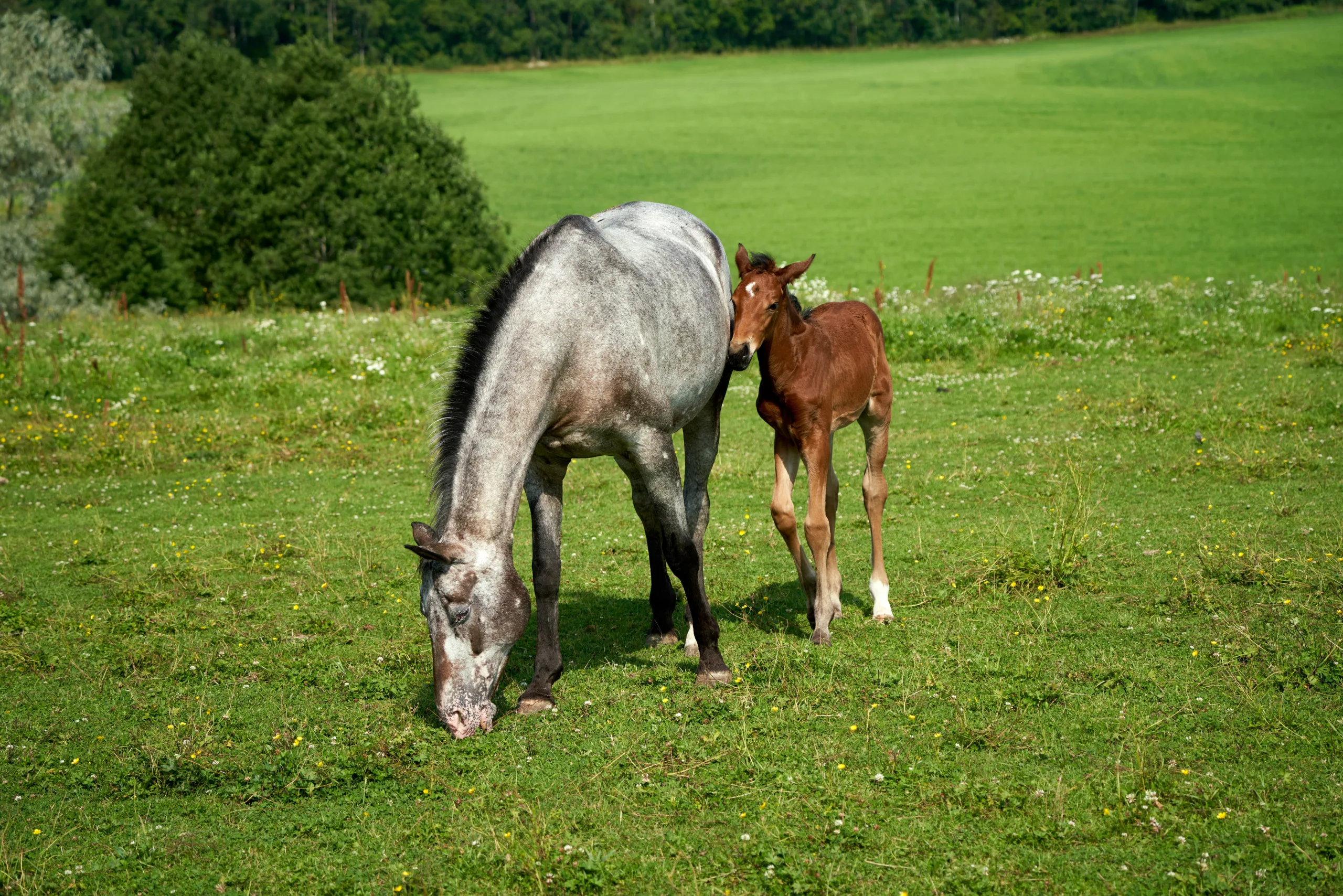
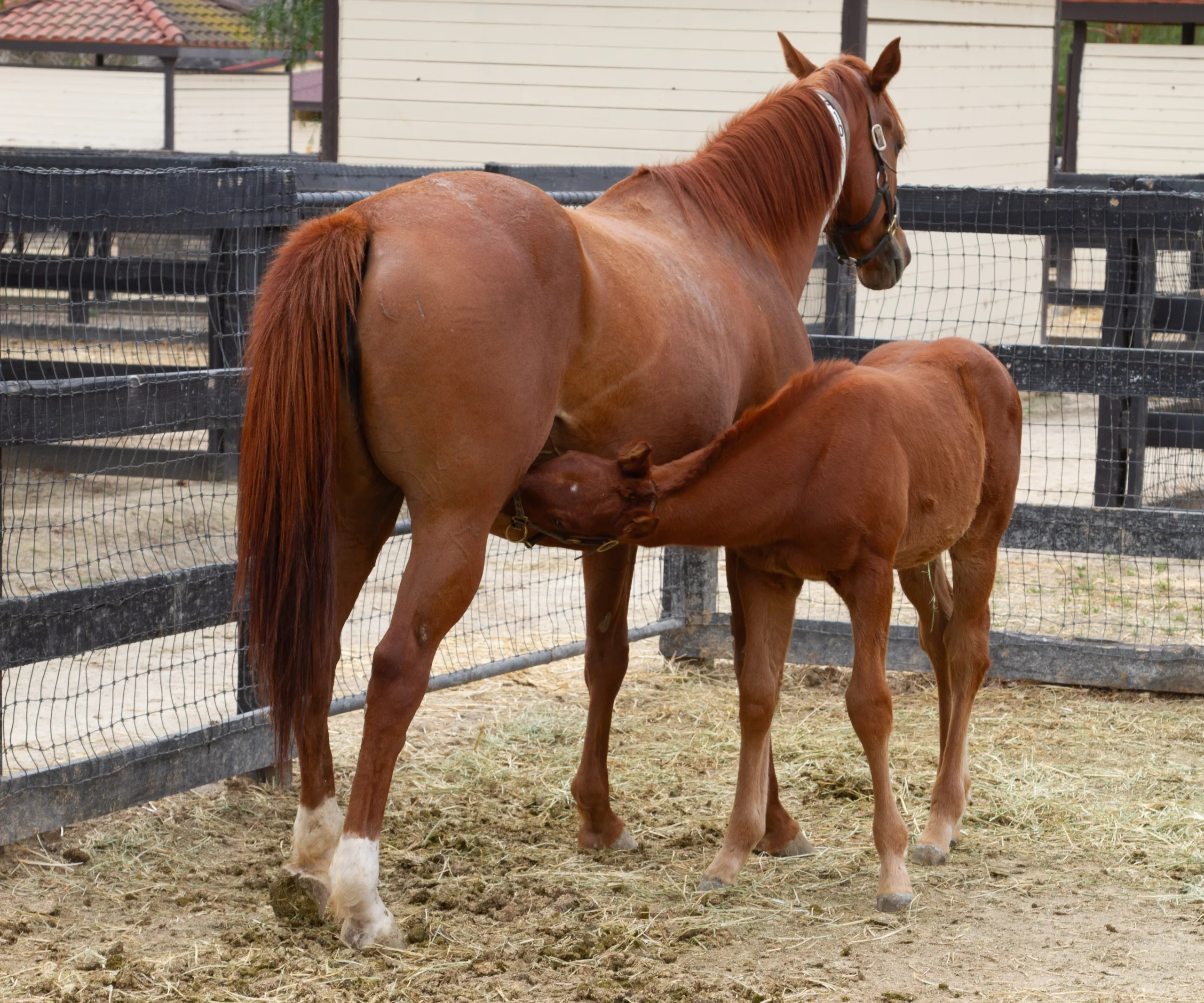
Foals spend the first four to five months of their lives close to their mothers, who teach them how to navigate the world, protect them from potential threats and provide essential nutrients through their milk. But as the classic children’s book “Misty of Chincoteague” reminds us, “colts have got to grow up” sometime. For foals, growing up begins with weaning.
In the wild, mares naturally wean their foals when they are 8 to 9 months old. Both the mare and foal initiate the weaning process, and they continue to have a close bond, often until her next offspring arrives. In most domestic settings, however, weaning is often conducted when the foal reaches 4 to 6 months old. While it is unclear when early weaning became common practice, some studies now question the approach.
There are several methods of artificial weaning. The most familiar and most often used method is known as abrupt weaning, or the “cold turkey” method. In this scenario, the mare is taken away from the foal, leaving him in a familiar setting. Abrupt weaning is most effective when the mare and foal are kept out of earshot of one another, but that may not be practical if you do not have access to a separate property or pasture for the mare.
Abrupt weaning is also known to cause the greatest amount of stress for the mare and foal. Because foals often run around the pen in a desperate attempt to reunite with their dams, it’s essential to ensure the area is safe and free of hazards that could cause injury. While most foals adjust to their new situation within 48 hours, it’s still a stressful time that can negatively impact their health.
“Weaning is stressful on both the mare and the foal,” explains Dr. Logan Kembel-Whitfield of Equine Medical Associates in Edmond. She advises owners to monitor the pair’s appetite and watch for diarrhea and signs of gastric ulcers, which include teeth grinding and acting colicky at mealtime.
“You may consider giving the mare Ulcergard before and during the weaning process if she is prone to gastric ulcers,” she adds.
Another method that has gained popularity is proximity weaning, also called fence-weaning. This involves placing mare and foal in adjoining pens. The foal is still allowed to see and interact with his dam but isn’t able to nurse. Because he still has the emotional support of his mother, proximity weaning has been shown to greatly reduce stress, but it’s crucial that the pens be divided with foal-safe fencing material.
Eventually, the foal will gain enough independence that you can move the mare to a more distant pasture with little drama. Bear in mind that the foal shouldn’t be isolated. Pasturing him with another weanling or “babysitter” gelding can be helpful.
Regardless of which method works best for your horses and particular situation, steps can be taken to help prepare the foal for the upcoming separation.
“To prepare the foal for weaning, you can take the foal away from the mare for short intervals,” Kembel-Whitfield suggests. “For example, you can take the mare out of the stall or paddock for a quick grooming session, allowing the foal to still see her. Offering some hay or small grain meal can help keep them calm during the separation.”
Whitfield also recommends making sure your foal has been on a good deworming and vaccination program prior to weaning. “It is important that they are healthy at weaning. Most vaccines are recommended at 4 months [old] with a booster four to six weeks later,” she says.
Don’t forget about mom’s needs. Whitfield advises monitoring the mare for any signs of mastitis, an inflammation of the mammary gland. Symptoms include fever, lethargy, and severe heat, swelling and pain in the udder. If you notice signs of mastitis, call your veterinarian for treatment. Resist the urge to milk her out, which will only signal her body to continue to produce milk. To help her dry up, consider decreasing the amount of grain she is consuming.
To make handling easier, it’s a good idea to halter-train foals before weaning day arrives.
“In my experience, the more the foals are handled, the smoother the weaning process is,” Kembel-Whitfield says. “Choose to wean when you have time to monitor both mare and foal and make sure everyone is healthy prior to starting.”
If at any time you become concerned that the mare and foal aren’t adjusting well to their separation, contact your veterinarian for guidance.
Weaning is a significant milestone in a foal’s development and can be a stressful period for both mare and foal. However, proper preparation and management can help make the transition as smooth as possible.