Understanding quality, nutrition and feeding strategies for every horse
by Abigail Stark
As summer draws to a close, it’s time to focus on one of the biggest hurdles in horse ownership: hay. Finding hay, finding enough hay, finding the right kind of hay for Fluffy’s special metabolic condition and finding good-quality hay.
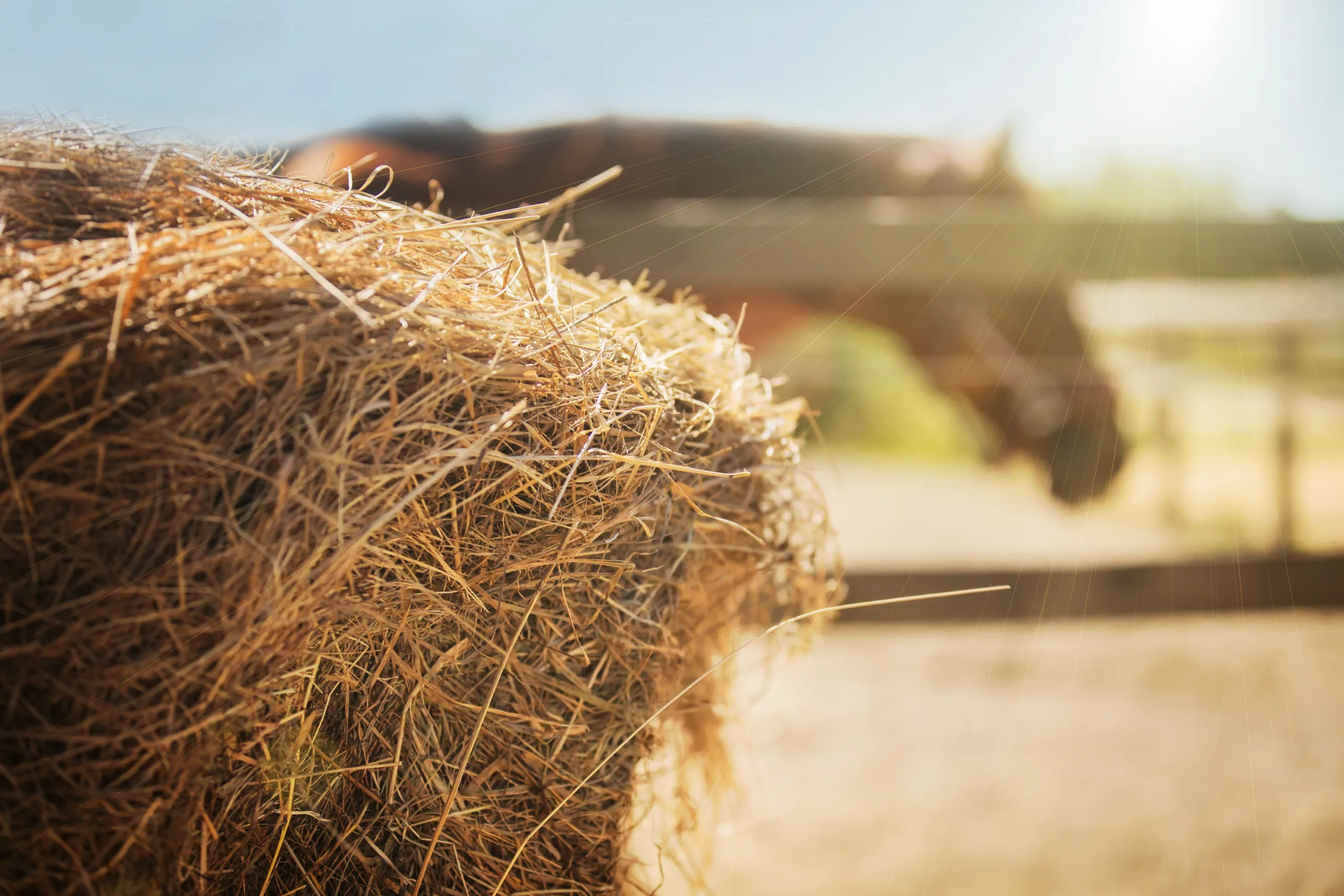
Hay is the foundation of the equine diet and often makes up the majority of a horse’s daily feed intake. Whether feeding performance horses, retirees, broodmares or backyard companions, understanding hay quality can help owners support their horses’ health, digestion and overall well-being. From selecting the right type of hay to understanding testing and supplementation, making informed forage choices can have a significant impact on a horse’s nutritional program.
Understanding the Difference
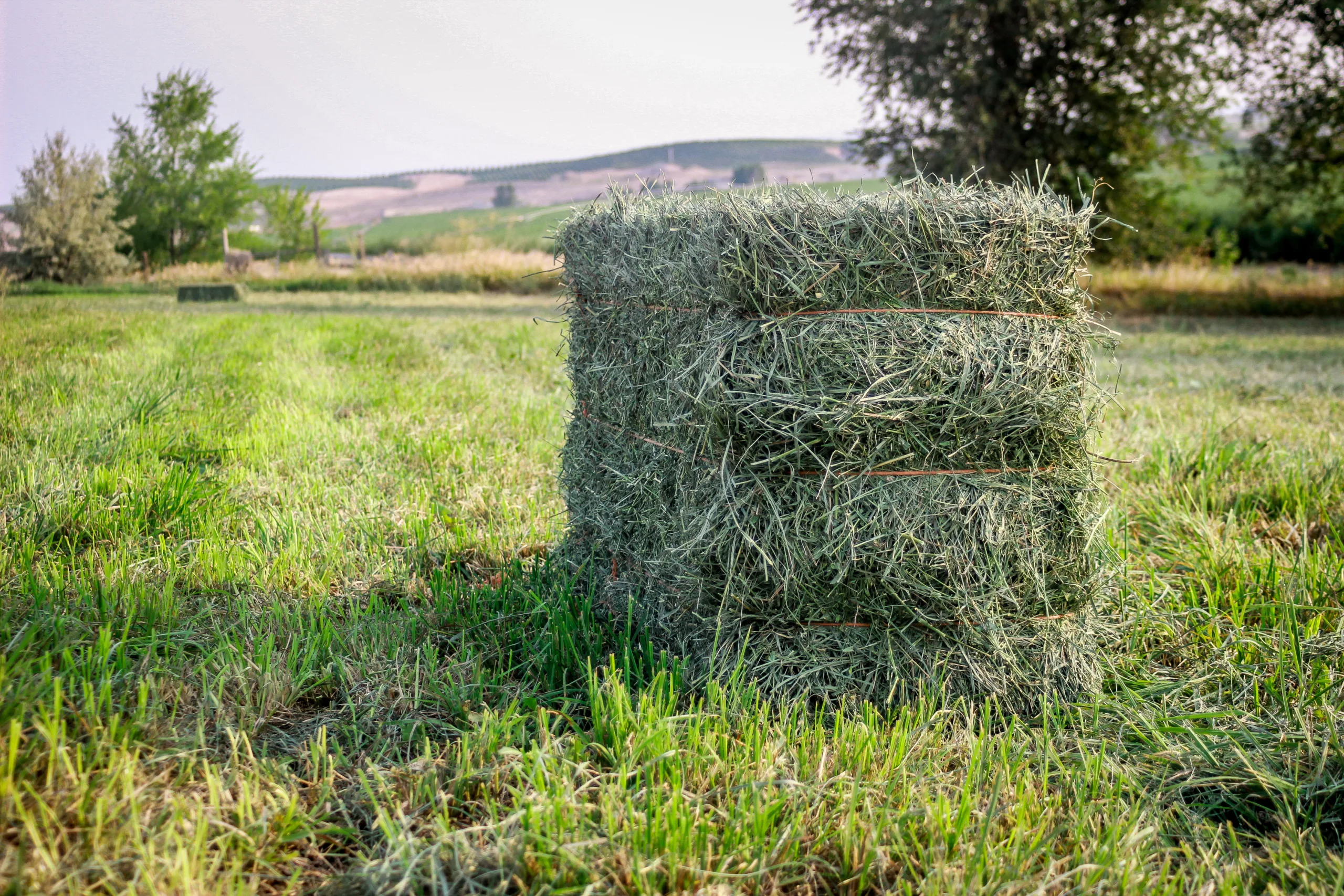
Hay falls into two main categories: grass hays and legume hays, each offering different nutritional benefits. Common grass hays include bermudagrass, timothy, orchardgrass and prairie hay. These forages are often moderate in protein and energy, making them suitable for many horses when fed as part of a balanced diet.
Legume hays, such as alfalfa, typically contain higher levels of protein, energy and calcium than most grass hays. Because of these differences, alfalfa can be beneficial for horses with increased nutritional demands, including growing horses, broodmares and some performance horses.
Despite the very persuasive article you may have read on a Facebook horse nutrition forum, there is no single “best” hay for every horse. The ideal forage depends on factors such as age, workload, body condition and overall health. Matching the hay type to a horse’s individual nutritional needs helps support optimal health while avoiding unnecessary excesses or deficiencies.
What Makes Good-Quality Hay?
Not all hay is created equal. While many horse owners instinctively reach for the greenest bale in the stack, appearance alone does not tell the whole story.
According to Kentucky Equine Research, color is not the end-all, be-all in determining hay quality, but it can be a clue to how it was made. “If it is bright green, then I know the hay was likely cut at an appropriate time, that it was probably not rained on after cutting, and that it dried quickly and was baled in a timely manner,” says Dr. Kathleen Crandell, a nutritionist with Kentucky Equine Research.
Beyond color, horse owners should look for hay that is leafy rather than overly coarse or stemmy. Leaves contain the majority of a plant’s nutrients, while thick stems generally indicate a more mature plant with lower digestibility. Excessive seed heads may also suggest the forage was harvested later than ideal.
Smell can provide another valuable clue. Good-quality hay should have a fresh, pleasant, slightly sweet aroma. A musty odor may indicate mold or improper storage conditions. Dust, weeds, foreign objects and visible mold should all be considered warning signs when evaluating a hay source.
Moisture content also plays an important role. Hay that is baled too wet can develop mold and create storage concerns, while properly cured hay helps preserve nutrients and palatability.
For horses with limited pasture access, quality hay is especially important. In addition to supplying essential fiber, forage provides valuable chewing time that supports digestive health and helps reduce boredom-related behaviors. Consistent access to forage may also help support horses prone to gastric discomfort by encouraging more natural feeding patterns throughout the day.
Why Hay Testing Matters
Regardless of experience in the equine industry, it’s impossible to accurately assess hay’s nutritional quality by sight alone. Two bales that look nearly identical may have significantly different nutritional profiles depending on factors such as plant maturity, weather conditions, soil fertility and cutting date.
A laboratory forage analysis removes much of the guesswork. Hay testing can provide information on crude protein, fiber content, digestible energy, sugar levels and mineral concentrations. This information allows horse owners to make more informed feeding decisions and identify potential nutritional gaps before reaching for additional supplements or grain.
Hay testing can be particularly valuable for horses with specialized dietary needs. Easy keepers, horses with metabolic conditions, performance horses, broodmares and growing horses may all benefit from a feeding program based on actual forage analysis rather than assumptions.
Several laboratories offer equine forage testing services, including Equi-Analytical, which specializes in forage analysis for horses. While testing requires a small investment, the results can help horse owners develop a more balanced feeding program and avoid unnecessary feed expenses by supplementing only where needed.
Supplementation: Filling the Gaps
Once horse owners understand the nutritional value of their hay, they can make more informed decisions about supplementation. While high-quality forage should form the foundation of the equine diet, hay alone may not always provide every nutrient a horse requires.
Nutritional needs vary considerably between horses. An easy keeper maintained on good-quality grass hay may require little more than a vitamin and mineral balancer. In contrast, performance horses, broodmares, growing horses and hard keepers often have increased energy and protein requirements that may warrant additional feed or supplementation.
Hay quality can also influence supplementation needs. For example, mature, stemmy hay may contain lower levels of digestible nutrients than leafy, early-cut forage. Horses consuming lower-quality forage may benefit from carefully selected supplements designed to address specific nutritional deficiencies.
Senior horses present another unique challenge. Dental issues can make it difficult for older horses to chew long-stem forage effectively. In these cases, hay pellets, hay cubes, soaked forage products or complete senior feeds may help maintain body condition while still supporting digestive health.
The goal of supplementation should not be to compensate for poor-quality forage, but rather to complement a balanced feeding program built on quality hay. Understanding what is in the forage allows horse owners to target nutritional gaps without overfeeding unnecessary products.
How Much Hay Does a Horse Need?
Even the highest-quality hay cannot support a horse’s health if it is not fed in sufficient amounts. While individual needs vary, most horses should consume between 1.5 and 2% of their body weight in forage each day.
For example, a 1,000-pound horse typically requires 15 to 20 pounds of hay daily. Factors such as age, workload, body condition, metabolism and access to pasture can all influence how much forage a horse needs. Horses in heavy work, growing horses and broodmares may require additional calories, while easy keepers may maintain weight on the lower end of the recommended range.
Because estimating hay intake can be challenging, many nutritionists recommend weighing hay periodically rather than relying solely on flakes. Flake size and weight can vary dramatically between hay types and baling methods, making visual estimates unreliable.
Horse owners looking for more precise feeding recommendations can also take advantage of online forage calculators. Tools such as the Standlee Forage Feed Calculator allow owners to estimate daily forage requirements based on a horse’s weight and activity level. These resources can provide a helpful starting point when developing a feeding program that supports both health and performance.
Hay is truly the foundation of a horse’s diet and plays a critical role in digestive health, nutrition and overall well-being. By understanding hay types, recognizing signs of quality, utilizing forage testing when appropriate and supplementing based on actual nutritional needs, horse owners can make more informed feeding decisions. Combined with proper feeding amounts, a thoughtful forage program can help support horses at every stage of life, from growing youngsters to senior companions.
FEEDING TIP
A Caution on Alfalfa
While alfalfa can be an excellent forage choice for many horses, it is not without potential risks. Oklahoma State University cautions horse owners about the dangers of blister beetle contamination in alfalfa hay, noting that ingestion can have severe consequences.
The University explains: “Symptoms in horses are dependent on the amount of cantharidin eaten. If a large amount of cantharidin is consumed, a horse may die within six hours. If a small amount is consumed, only depression or mild colic (pawing, looking to the side, stretching) may occur. A frequent symptom of cantharidin illness is placing the muzzle in water and playing in the water with the lips and tongue. Severe poisoning may result in low blood calcium and magnesium. These low electrolyte levels may cause stiffness or an exaggerated ‘goose-stepping’ gait.
“An exaggerated contraction of the diaphragm may also occur. Horses that survive at least 24 hours have better survival rates but may strain frequently and void small amounts of darkened urine (blood in urine). Any horse showing these symptoms should be promptly examined by a veterinarian and the forage inspected for presence of blister beetles. As there is no way to completely eliminate the threat of blister beetles in alfalfa, the prudent approach for management is to take all possible precautions to reduce the likelihood that they are present.”