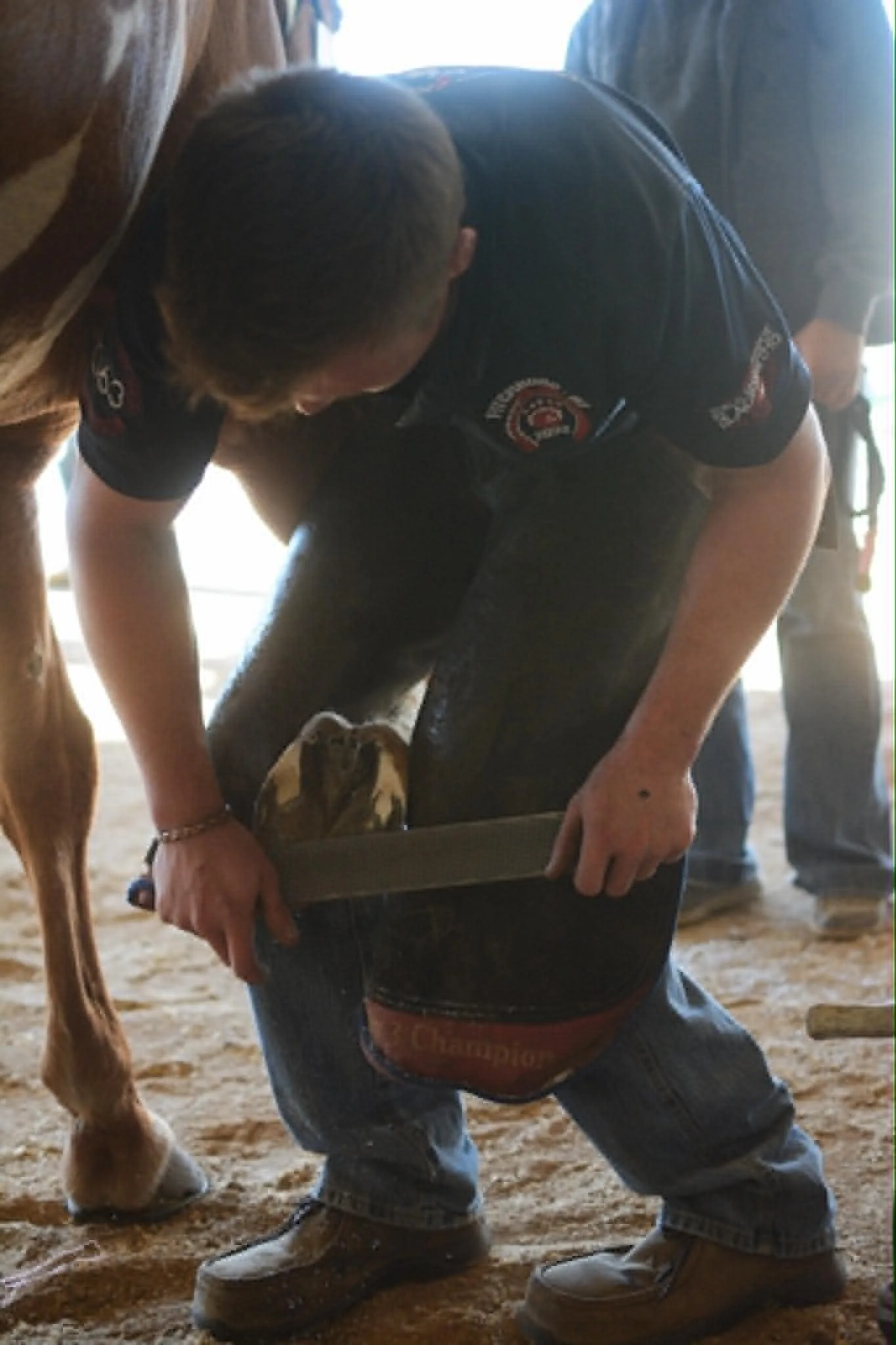
Knowing What Your Horse Needs
by Craig Stark, BS, CJF, DipWCF, Chairman of the Certification Committee, AFA
Photos courtesy of EMILY STARK
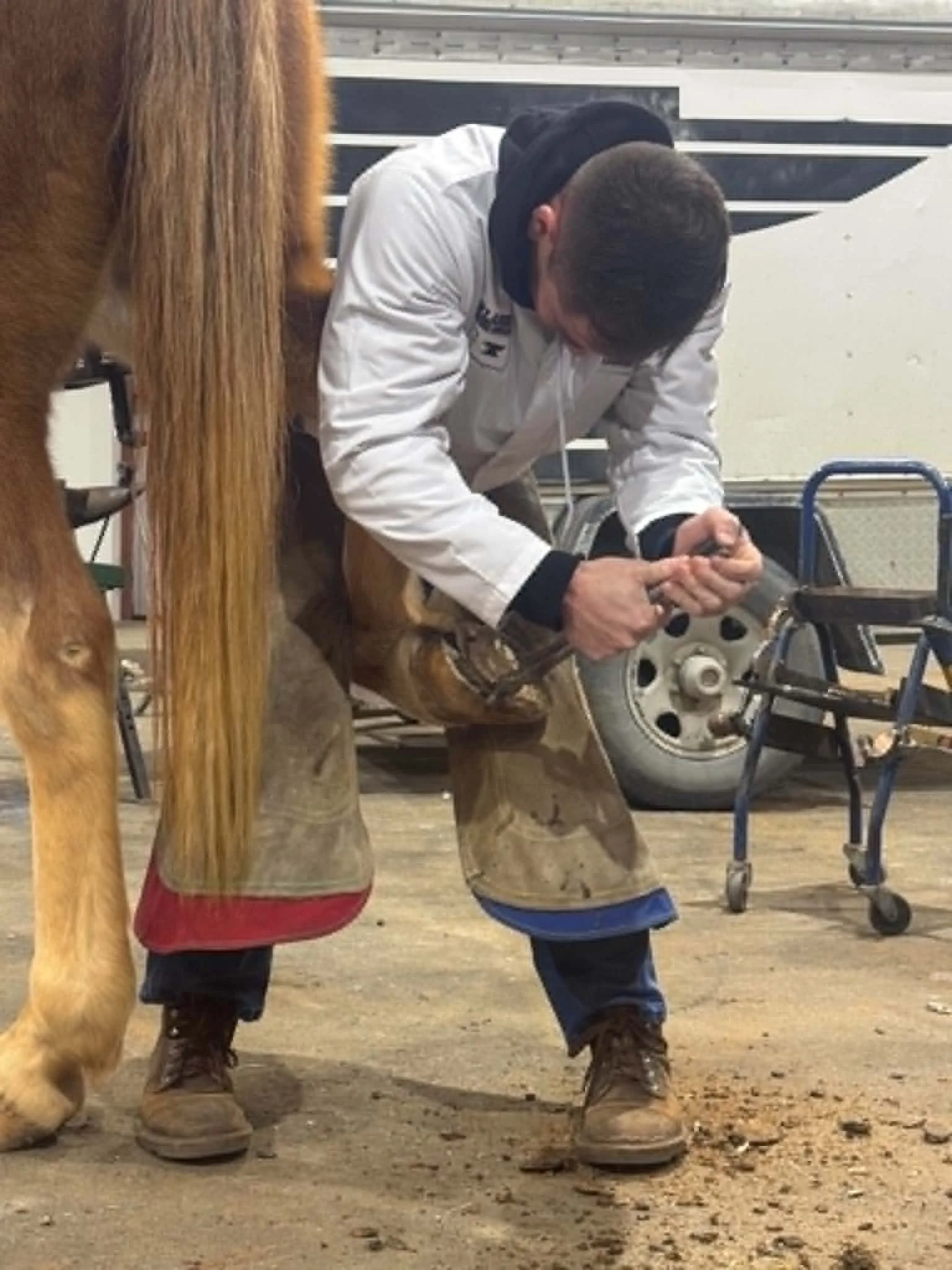
One of the most common questions horse owners ask their farrier is, “Does my horse need shoes?” The answer depends on the individual horse. Some horses remain comfortable and sound without shoes throughout their lives, while others benefit from shoeing due to their workload, environment or specific hoof care needs.
The barefoot versus shod discussion often generates strong opinions, but successful hoof care is not about choosing one philosophy over another. It is about evaluating the horse in front of you and making decisions that support long-term soundness, comfort and performance. The goal is always the same: a healthy hoof that allows the horse to do its job comfortably.
Why Horses Wear Shoes
Horseshoes have been used for centuries to protect and support the equine foot. While modern shoeing techniques have evolved significantly, the primary reasons for shoeing remain unchanged.
Protection
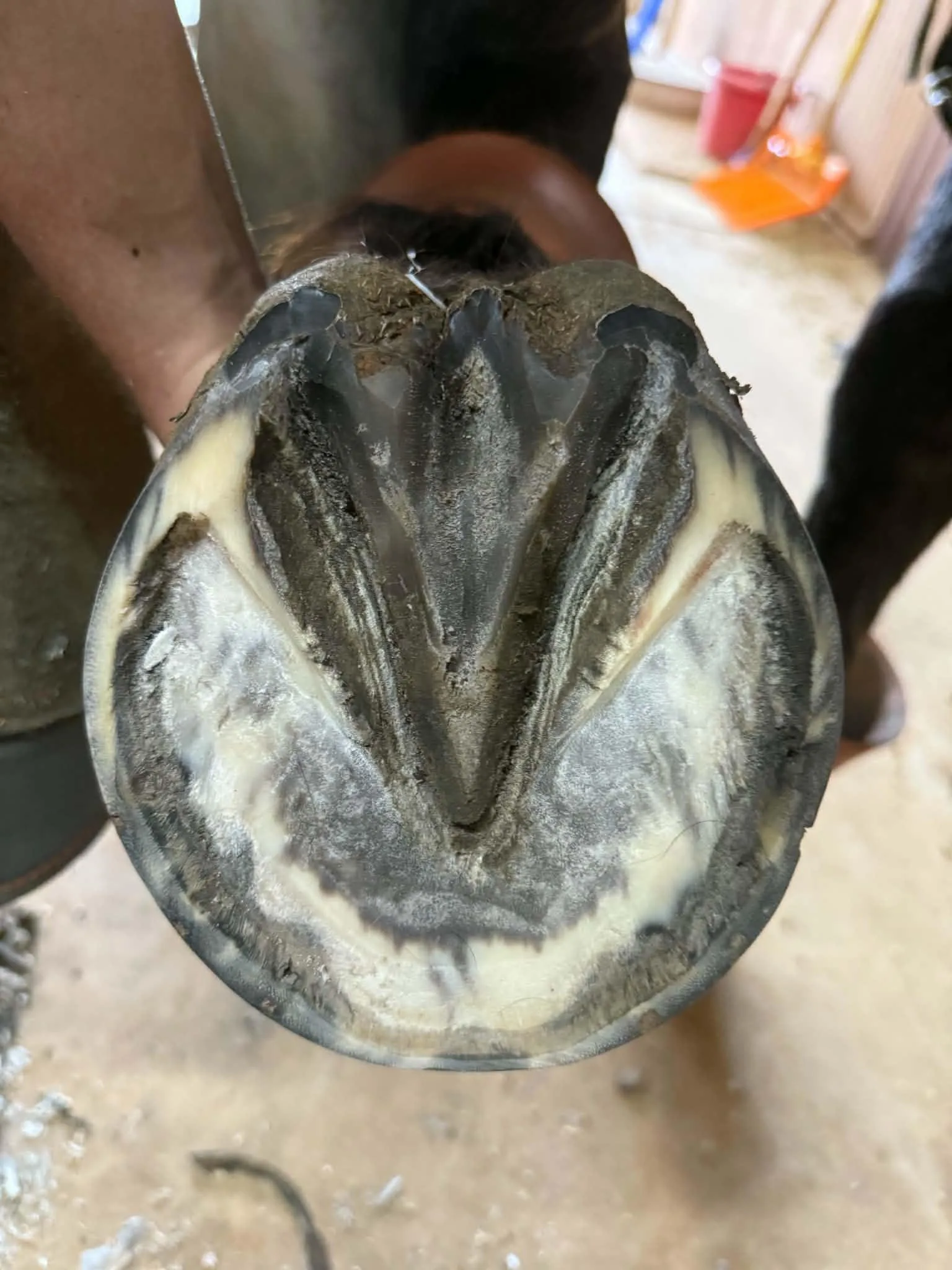
A horse’s hoof is constantly growing and wearing away. When wear exceeds growth, the foot can become sore and vulnerable to injury. Horses that travel frequently on gravel roads, rocky trails or hard ground often benefit from shoes that protect the hoof from excessive wear.
Traction
Performance horses may require additional traction to perform safely. Horses competing in disciplines such as barrel racing, roping, jumping, eventing or driving often place significant demands on their feet. Properly fitted shoes can help improve grip and reduce the risk of slipping. In some situations, decreasing traction can also be beneficial and may even be required in events such as reining.
Support
Shoes can also provide support for horses dealing with conformational challenges, injuries or hoof-related conditions. Therapeutic shoeing techniques can help redistribute weight, support damaged structures and improve comfort for horses recovering from lameness issues.
When Barefoot Works Well
Many horses live healthy, productive lives without shoes. Horses that are lightly used, maintained on softer footing and possess strong hoof quality are often excellent candidates for barefoot trimming. Many owners appreciate that barefoot horses often require less equipment and may experience natural hoof expansion and contraction during movement. However, going barefoot does not eliminate the need for regular hoof care. Routine trimming is essential to maintain proper balance and prevent excessive flaring or chipping.
Signs Your Horse May Need Shoes
Even horses that have gone barefoot successfully for years may eventually require additional protection or support. The hoof is a dynamic structure that is constantly changing due to how the horse loads it. Changes in workload, environment or age can all affect hoof care needs. You should discuss shoeing options with your farrier if your horse shows any of the following signs:
Tenderness on Hard Ground
If your horse moves comfortably on soft footing but becomes sore or hesitant on gravel or rocky surfaces, additional hoof protection may be beneficial.
Excessive Hoof Wear
Some horses simply wear their feet faster than they can grow. This is particularly common in horses that work regularly on abrasive surfaces.
Frequent Chipping or Cracking
While minor chipping is normal, persistent cracking or difficulty maintaining hoof wall integrity may indicate the need for added support and protection. After a very wet spring and the constant stomping to ward off flies, their feet can be destroyed. Keeping shoes on in these conditions can be a challenge all on its own.
Increased Performance Demands
A horse competing regularly or performing strenuous work may benefit from shoes even if it could remain barefoot under lighter use.
Therapeutic Needs
Conditions such as laminitis, navicular-related pain, tendon injuries or severe hoof imbalances often require specialized shoeing techniques as part of a treatment plan developed by the farrier and veterinarian.
Factors to Consider
Several factors influence whether a horse should be barefoot or shod.
Environment
This is the biggest piece of the hoof care puzzle, and it falls squarely within the horse owner’s responsibilities. The footing where a horse lives and works plays a major role in hoof health. Wet, dewy mornings and hot, dry afternoons create a constant cycle of hoof expansion and contraction that can lead to many hoof care problems. Horses on rocky terrain often experience more hoof wear than horses maintained on grass pastures or sandy soil.
Workload
A trail horse used a few times each month has different requirements than a ranch horse traveling many miles each day. As workload increases, so does the likelihood that shoes may be beneficial.
Hoof Quality
Some horses naturally grow strong, durable feet while others have thinner hoof walls or weaker soles. Genetics, nutrition and overall health all influence hoof quality.
Conformation
The way a horse is built affects how weight and forces are distributed throughout the limbs and feet. Certain conformational challenges may make shoeing advantageous for maintaining comfort and soundness.
Hoof Boots: Another Option
Modern hoof boots have become increasingly popular among horse owners. Hoof boots provide temporary protection while riding and allow horses to remain barefoot the rest of the time. For horses that only need occasional protection on rocky trails or during longer rides, hoof boots can be an excellent alternative. However, they must fit properly and are not always a replacement for traditional shoeing.
No One-Size-Fits-All Answer
Perhaps the most important thing horse owners can remember is that every horse is different. A horse that performs well barefoot may need shoes after moving to a different environment or beginning a more demanding job. Likewise, a horse that wears shoes during competition season may do well barefoot during periods of lighter work.
Rather than focusing on trends or opinions, focus on your horse’s comfort, performance and hoof health. Regular evaluations by a qualified farrier, along with input from your veterinarian when necessary, will help ensure the best decision is made for your horse.
The barefoot-versus-shod question is not about proving which approach is better. It is about identifying what allows each individual horse to remain healthy, sound and comfortable. When hoof care decisions are based on the horse’s needs rather than a philosophy, everyone benefits — especially the horse.