by Abigail Stark
We all know the feeling. It’s the first warm day after a long, bleak winter. The sun is finally strong enough to turn snow into sticky, shoe-pulling mud. You feel reinvigorated. Visions of clinics, horse shows and long summer rides dance in your head. You think to yourself, “This is it.” This is the year you move up a division, win back your entry fees and cross the finish line you didn’t quite reach last season.
Then you reach the barn. The sleek, fit athlete you’ve been imagining, the one with a ribbon draped proudly around his neck, looks up from a mouthful of alfalfa. He’s fluffy, carrying a little extra weight, and that’s definitely a manure stain on his neck.
What’s to be done?
If your motivation (and ego) hasn’t already taken a hit, you might decide the only solution is a complete overhaul. A body clip. A stricter diet. A full conditioning program starting immediately. After all, spring is here, and the clock is ticking.
This is exactly where things can go wrong. Your horse didn’t become fluffy or out of shape overnight, and asking him to be ready to jump the 1.10s or tackle demanding work by tomorrow isn’t going to produce results. At best, you’ll end up with a sore, unhappy horse. At worst, you’re looking at a suspensory injury that could derail your entire season.
Horses are most vulnerable to injury at the beginning of a training program, when their bodies are still adjusting to increased work. Unpredictable early spring footing, with mud masked by melting ice or snow, only adds to the risk.
First steps: Start with the horse in front of you
You know your horse better than anyone. You know he locks his jaw and leans on your left leg for the first few laps when he’s stiff. You remember the bowed tendon in his right front from two seasons ago. These small details, the quirks that make your horse uniquely him, should shape how you bring him back into work.
Big dreams are not a problem. Forcing them onto an unprepared body is. Understanding how to start, what to watch for, and most importantly, when to stop can mean the difference between a successful season and thousands of dollars in veterinary bills, or even an early retirement due to preventable injury.
Call your veterinarian
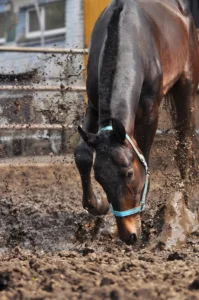
Not every horse requires an extensive workup before returning to light exercise, but every horse deserves the chance to be evaluated before being asked to perform. Flexion tests, soundness evaluations and routine joint maintenance can play a critical role in long-term success, whether done before the first ride of the season or after several weeks of light work.
Spring is also an ideal time to address routine veterinary needs such as dental floating, vaccinations and Coggins testing. Veterinary clinics often offer discounted dental days, making it easier to check these essentials off your list. Keeping Coggins tests, vaccinations and health certificates up to date is not only good horsemanship, but also legally required for competition and interstate travel.
How should you start conditioning?
All effective conditioning programs share one key principle: progression.
As Horse & Rider explains, “All carefully designed conditioning programs depend on gradual, systematic increases in stress to body systems. Typically, this begins with a period of ‘backgrounding’ or long, slow distance work.”
Backgrounding often starts with 20 to 30 minutes of walking and light trotting every other day for six to eight weeks. This foundation allows muscles, tendons, ligaments and the cardiovascular system to adapt safely before more demanding work is introduced. As intensity increases, structured rest becomes just as important as the exercise itself.
Fortunately, we live in a time when quality information is readily available. From discipline-specific conditioning plans to programs designed for horses with topline weakness, arthritis or previous injuries, there is no shortage of guidance. The challenge is not finding a program but having the patience to follow one.
When it comes to bringing horses back after winter, slow and steady doesn’t just win the race, it keeps your horse sound enough to stay in it!
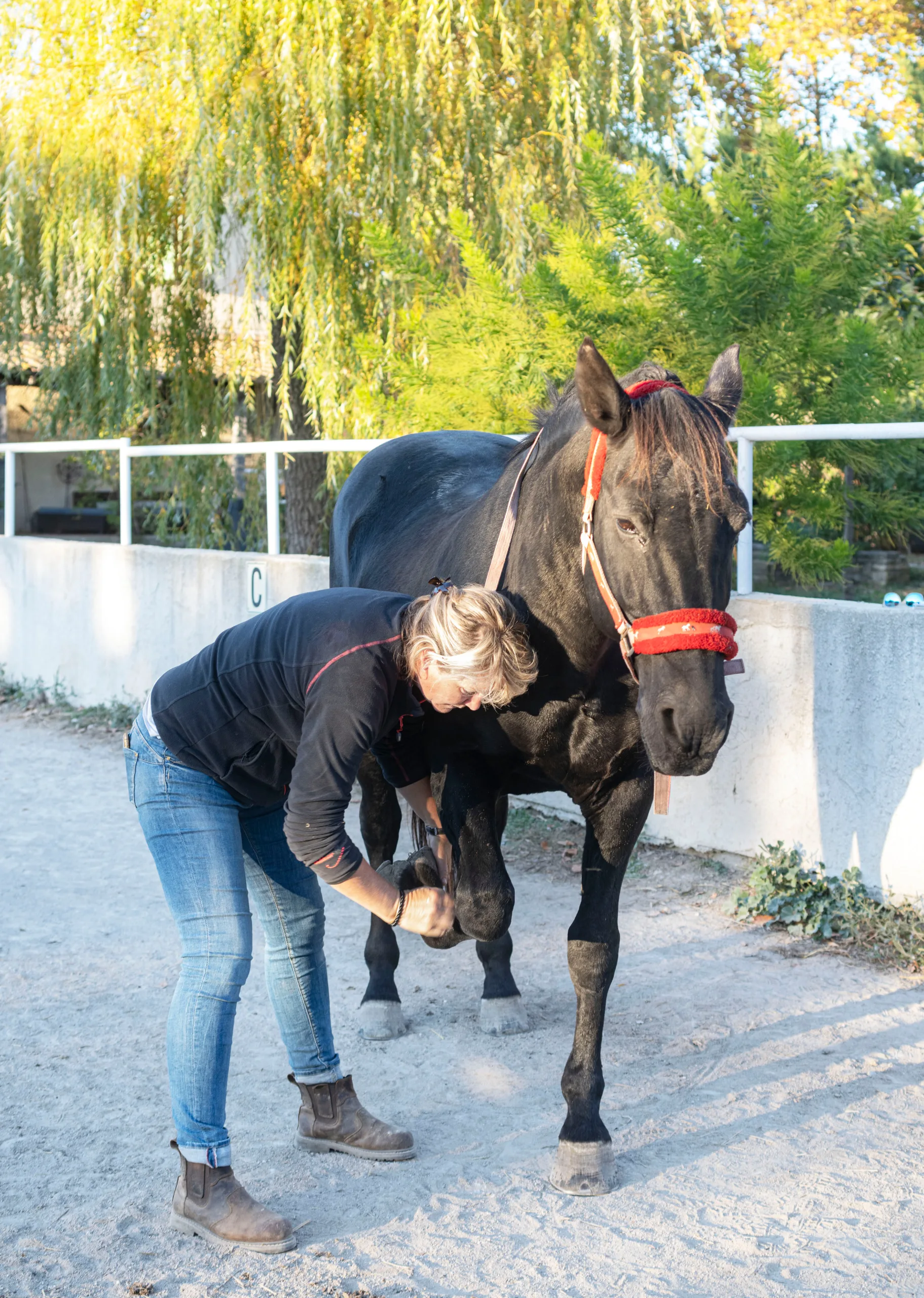
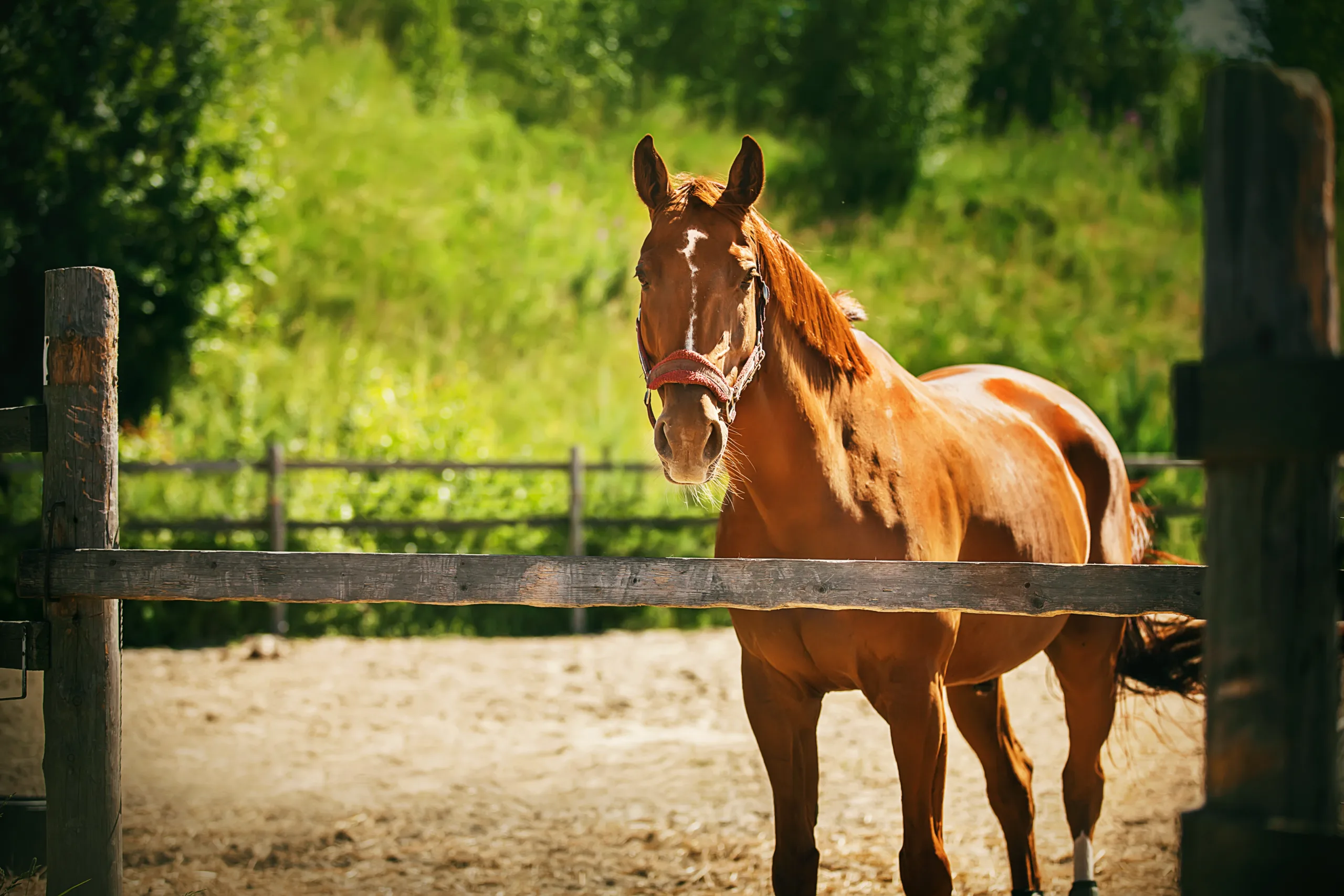
What actually happens to a horse’s body during time off?
Winter downtime often feels harmless. The horse is still turned out, still moving, still eating well. Many even look healthy, rounded, glossy and energetic. But what we see on the outside rarely tells the full story of what’s happening internally.
When regular work stops or significantly decreases, a horse’s body begins to adapt to that lower demand surprisingly quickly.
How quickly do horses lose fitness?
Muscle tone and strength are often the first things to go. Within just a few weeks of reduced work, muscles begin to shrink and lose efficiency. The topline softens, hind-end engagement decreases and the supportive musculature around joints weakens. While these changes are often subtle at first, they add up quickly.
Cardiovascular fitness declines as well. Even if a horse feels fresh and eager in the spring, his heart and lungs may no longer be prepared to support sustained effort. This mismatch — high energy paired with low fitness — is a common setup for fatigue-related injuries.
Why are tendons and ligaments the biggest concern?
Unlike muscles, tendons and ligaments have limited blood supply and adapt much more slowly to increased workload. During periods of rest, these structures lose strength and elasticity. When work resumes too quickly, they are often asked to absorb forces they are no longer conditioned to handle.
This is why injuries such as suspensory strains, tendon tears and ligament damage so often occur early in the season. The horse may feel strong, but the supporting soft tissue simply isn’t ready yet.
What about bones and joints?
Bones also respond to workload, or lack of it. Weight-bearing exercise helps maintain bone density, and time off can lead to a gradual decrease in structural strength. Joints, particularly in older horses or those with a history of arthritis, may become stiff and less resilient during winter downtime.
When intense work resumes too quickly, joints can become inflamed, leading to soreness, decreased range of motion and compensatory movement patterns that increase the risk of secondary injury.
Why turnout alone isn’t enough
Turnout is essential for mental health and baseline movement, but it does not replace purposeful conditioning. Horses at liberty move in short bursts, rarely engaging in sustained, balanced work that builds strength evenly. They may stay active, but they do not maintain sport-specific fitness on their own.
This is where many well-meaning owners get caught off guard. A horse that appears sound and energetic at liberty may still be physically unprepared for the demands of riding, jumping, speed work or collection.
The takeaway
Time off allows the body to rest, but it also allows fitness to fade. Muscles weaken, cardiovascular capacity declines and soft tissue becomes more vulnerable. When spring arrives, it’s easy to assume enthusiasm equals readiness, but the horse’s body often tells a different story.
Rebuilding strength safely and keeping your horse sound for the long haul starts with knowing how their body changes during winter downtime.
How do you know if your horse is physically ready to go back to work?
One of the hardest parts of bringing horses back after winter is separating enthusiasm from readiness. A fresh horse may feel forward, playful and eager to move — but energy alone does not equal fitness. Before increasing workload, it’s worth taking a step back and honestly assessing where your horse is starting from.
What can you see before you ever saddle up?
Begin with a visual evaluation. Has your horse lost topline or hind-end muscle? Does his neck look soft or uneven? Are there asymmetries in muscling that weren’t present last season? Uneven development can signal compensatory movement or lingering soreness that needs attention before work intensifies.
Pay attention to posture as well. Horses that stand camped under, park out or consistently shift weight may be telling you they’re uncomfortable, even if they move willingly under saddle.
What does movement at liberty tell you?
Watching your horse move freely can reveal a lot. Does he track evenly behind? Is his stride length consistent on both sides? Do you notice stiffness when he first starts moving or reluctance to bend in one direction?
Shortened strides, toe-dragging or subtle head bobs may seem minor, but they are often early indicators that something isn’t quite right. These signs are easiest to spot before the weight of a rider is added.
How does your horse feel during light work?
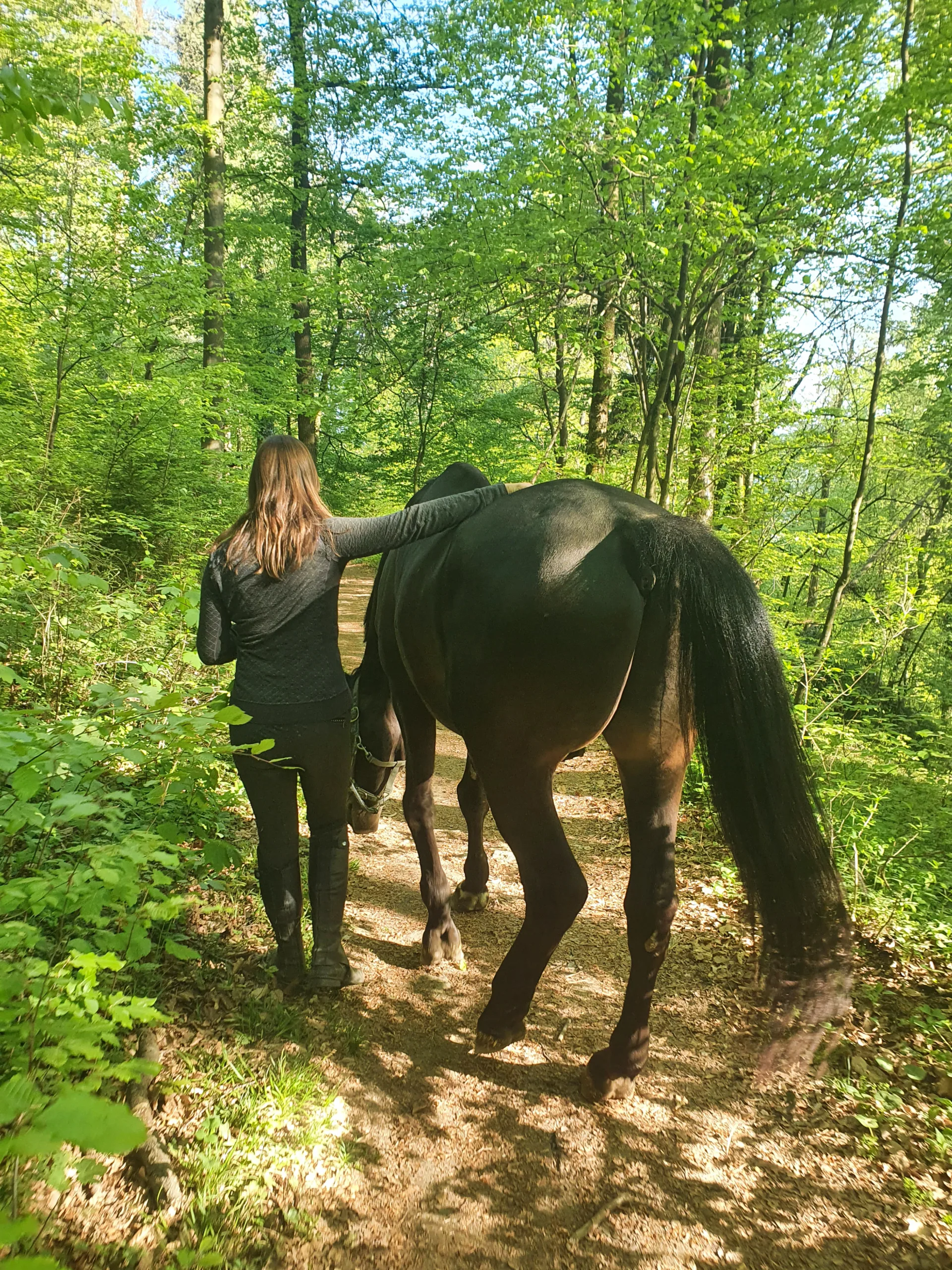
Once under saddle, early rides should feel easy and boring (by design). A horse that is physically ready for conditioning should warm up smoothly, loosen gradually and finish feeling better than he started. Resistance, excessive stiffness or difficulty maintaining rhythm can indicate that the workload is coming too quickly.
Pay close attention to how long it takes your horse to warm up. If stiffness persists well into the ride, or if he feels worse the day after light work, it’s a sign to scale back rather than push forward.
Why do age, history and discipline matter?
Every horse comes into spring with a different resume. Young horses may bounce back quickly but lack structural maturity. Older horses may need longer warm-ups and more recovery time. Horses with a history of tendon, ligament or joint injuries require especially conservative timelines.
Discipline matters as well. Jumpers, barrel horses and eventers place high stress on soft tissue early in work, while dressage horses may struggle with stiffness and joint mobility after time off. Conditioning plans should reflect these realities rather than follow a one-size-fits-all approach.
When is “good enough” actually good enough?
Perhaps the most important skill in reintroducing conditioning is knowing when to pause. If something feels off — unevenness, reluctance, soreness that lingers — it’s better to stop and reassess than to push through in hopes it will resolve on its own. Most spring injuries don’t come from freak accidents. They come from workload increasing faster than tissues can adapt. Muscles may respond quickly, but tendons, ligaments and joints lag behind. When intensity outpaces preparation, something eventually gives.
Early-season restraint isn’t holding your horse back; it’s protecting him.
What should a smart conditioning plan prioritize first?
Before speed, collection or jumping, conditioning should focus on:
- Consistency over intensity.
- Straight lines before tight turns.
- Duration before difficulty.
Long, slow work builds cardiovascular fitness and prepares soft tissue to handle stress later. Rest days are not setbacks; they are when adaptation happens. Progress should feel almost boring at first, and that’s exactly the point.
How do you reduce injury risk as workload increases?
Pay attention to:
- Footing conditions, especially spring mud and uneven thawing ground.
- Subtle changes in stride, attitude or recovery time.
- Post-ride soreness that lasts more than 24 hours.
- Adjusting early keeps small issues from becoming forced layoffs.
When should you ask for professional help?
If something feels “off,” it probably is. Veterinarians, trainers and bodywork professionals can help identify problems early, before they become season-ending injuries. Early intervention is always less expensive, less stressful and more successful than rehabilitation after a breakdown.
Why does patience now pay off all season long?
- Horses brought back thoughtfully tend to:
- Stay sound longer.
- Perform more consistently.
- Require fewer interruptions due to injury.
A slow spring builds a durable athlete, one capable of carrying you through summer goals and beyond.
Final thought
Spring is full of promise: new goals, fresh starts and long rides ahead. The best way to honor that potential isn’t by rushing; it’s by rebuilding carefully, listening closely and allowing your horse’s body the time it needs to be ready.
Because the strongest seasons don’t start fast. They start smart.