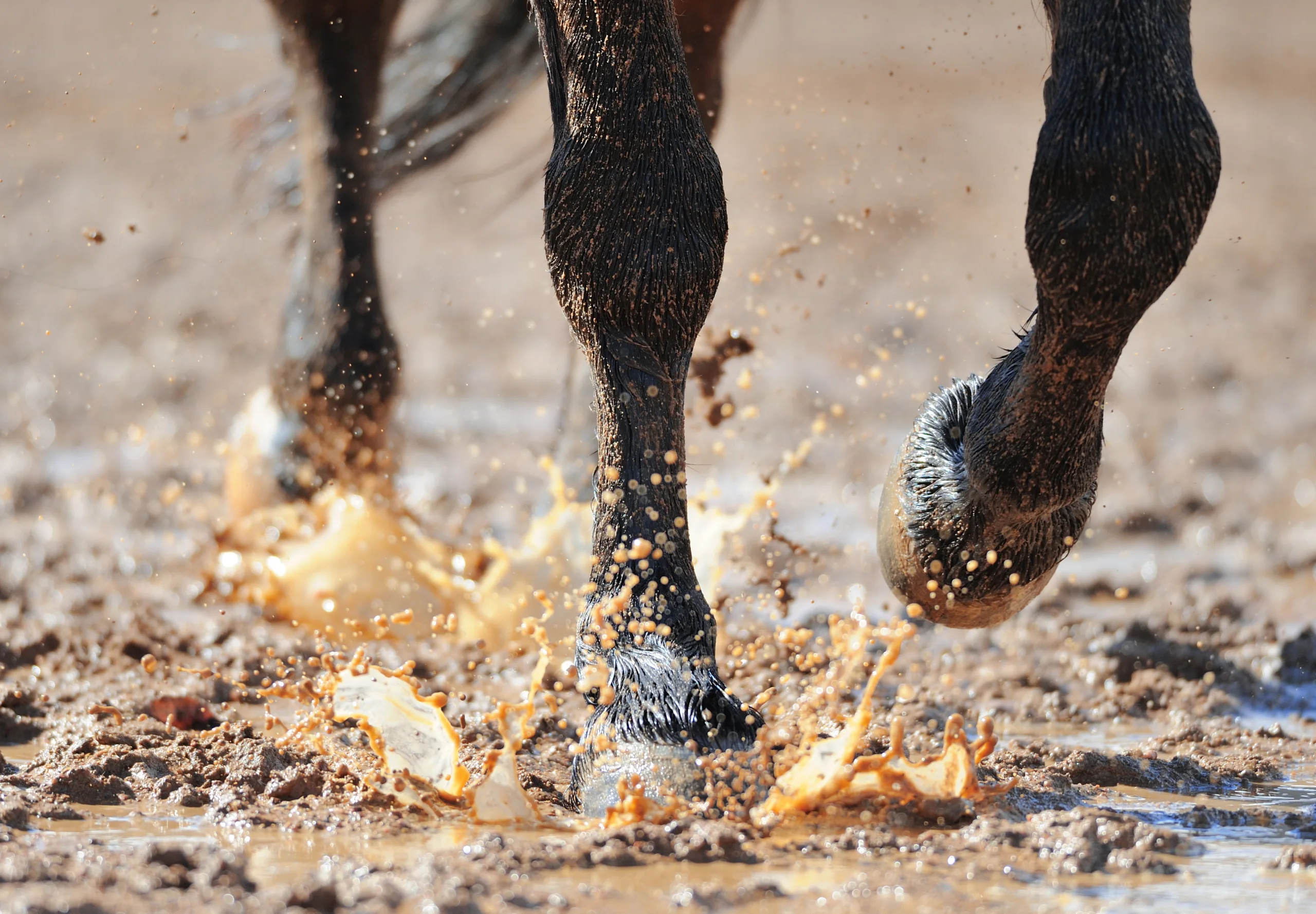
Managing moisture, growth and performance in May and June
by CRAIG STARK, BS, CJF, DipWCF, Chairman of the Certification Committee, AFA
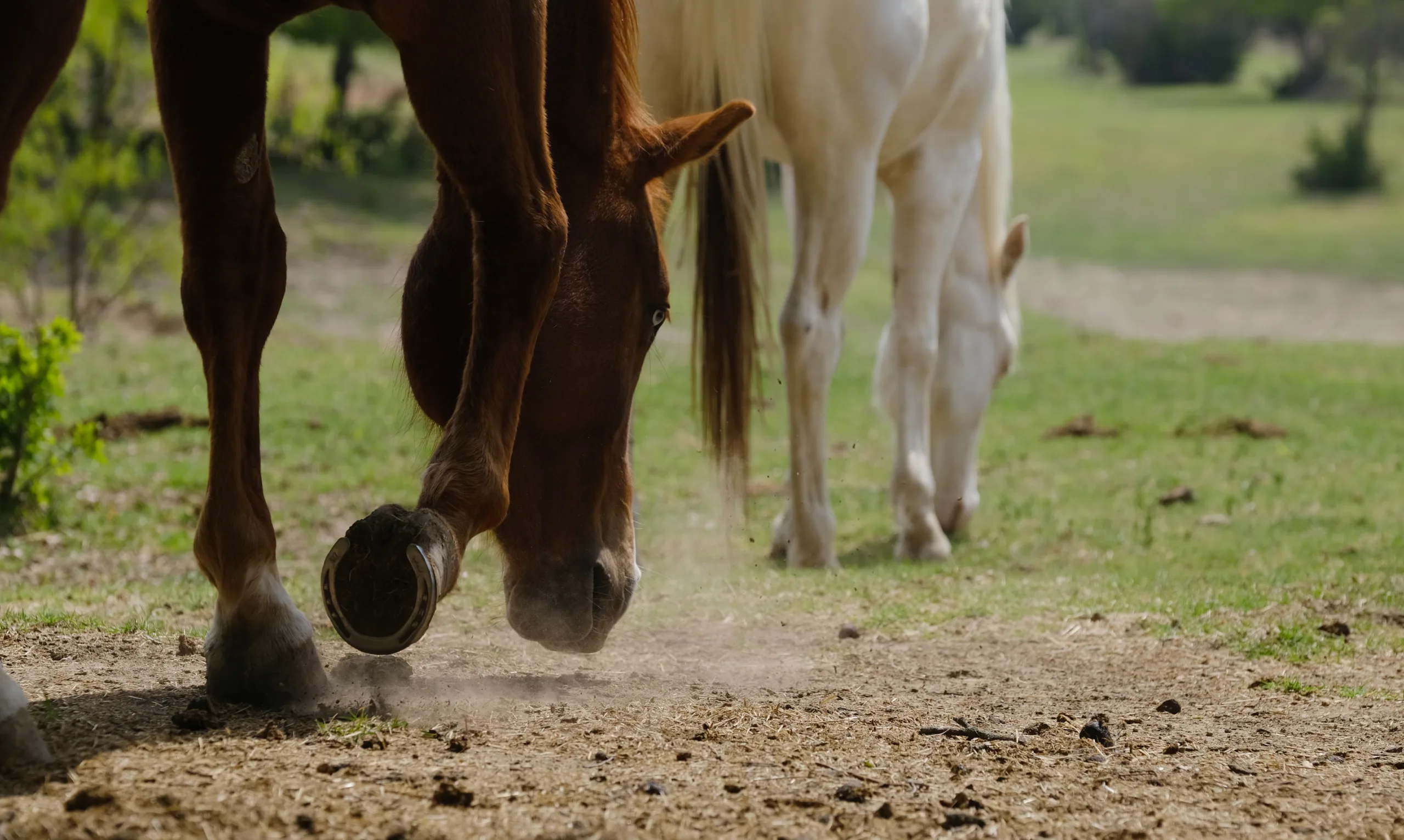
May and June in Oklahoma bring long days, abundant grass, spring storms and the full swing of competition season. While this time of year is ideal for conditioning and riding, it also presents distinct challenges for equine hoof health. Rapid environmental changes — particularly moisture fluctuations — can significantly impact hoof integrity, growth and soundness.
For Oklahoma horse owners, proactive hoof care during late spring and early summer is essential. Understanding how weather, footing and nutrition intersect can help prevent common seasonal problems and keep horses performing at their best.
The Moisture Cycle: From Cold and Dry to Wet and Saturated
In much of Oklahoma, winter is usually much less humid and tends to dry out hooves. In these conditions, everything tightens up and shrinks; it can even cause horses feet to go down a shoe size. May often brings heavy rainfall, thunderstorms and saturated pastures. Therefore, feet will relax, loosen up and often go up in shoe size. This constant fluctuation between wet and dry creates stress within the hoof capsule.
When hooves are exposed to excessive moisture:
- The hoof wall softens.
- Nail holes loosen more easily.
- White line integrity can weaken.
- Thrush and bacterial infections become more likely.
- Abscesses increase due to softened hooves.
The repeated expansion and contraction of the hoof capsule during these transitions can lead to flare, separation and imbalance if trimming cycles are stretched too long.
Management tip: Maintain a consistent trimming or shoeing schedule every four to six weeks during this period. Hoof growth often accelerates in spring due to improved nutrition, increased daylight and reduced energy demands from winter hair growth, so trimming intervals may need to be shortened.
Thrush and White Line Disease: Spring’s Hidden Threats
Wet grass, standing water around gates and muddy loafing areas create ideal conditions for thrush. In Oklahoma’s clay soils, mud can pack tightly into the frog and sulci, trapping moisture and debris.
Early signs of thrush include:
- Black, foul-smelling discharge in the frog
- Sensitivity during cleaning
- Deepening central sulcus cracks
White line disease may also emerge during prolonged wet conditions, especially if hooves are flared or overdue for trimming. Separation between the hoof wall and sole allows bacteria and fungi to invade. These germs are opportunistic and thrive in dark, oxygen-free environments.
Prevention strategies:
- Pick out hooves daily, especially after storms.
- Improve drainage around water troughs and gates.
- Rotate turnout areas when possible.
- Keep stalls clean and dry.
- Address flares promptly with your farrier.
Catching these issues early prevents more significant structural damage later in the summer.
Nutrition and Rapid Hoof Growth
Spring pasture in Oklahoma is rich and fast-growing, often high in sugars and nonstructural carbohydrates. While this supports increased hoof growth, it can also contribute to metabolic stress in susceptible horses.
Laminitis risk may increase in:
- Easy keepers
- Horses with equine metabolic syndrome (EMS)
- Horses with a history of insulin resistance
Even horses without metabolic conditions may show faster hoof growth in May and June due to improved nutrition and circulation from increased activity.
Balanced nutrition supports strong hoof horn production.
Key nutrients include:
- Biotin
- Zinc
- Copper
- Methionine
- High-quality protein
However, supplements should complement — not replace — good overall diet management. Work with your veterinarian or equine nutritionist if you have concerns about metabolic risk. If a little is good, a lot isn’t always better when it comes to supplements! It is easy to overdo it and unbalance a balanced ration.
Transitioning to Competition Footing
May and June mark the beginning of rodeos, barrel races, hunter/jumper circuits, ranch events and trail competitions across Oklahoma. Horses may transition from soft pasture to hard-packed arenas, rocky trails or prepared show footing.
Each surface places different stresses on the hoof:
- Hard, dry ground: increased concussion and sole bruising
- Deep arena footing: greater strain on tendons and potential for hoof capsule distortion
- Rocky terrain: higher risk of sole penetration or bruising if barefoot and thin-soled
Farriers may adjust shoeing packages seasonally to match workload and footing demands.
Options might include:
- Rim shoes for traction
- Pads for protection
- Clips for added stability
Open communication between owner, farrier and trainer is essential as training intensity increases.
Barefoot vs. Shod in Oklahoma Conditions
The decision to keep a horse barefoot or shod depends on workload, terrain and hoof quality — not just season. However, May and June can test barefoot horses due to rapidly changing ground conditions.
Barefoot horses may do well in:
- Managed pastures with minimal rock
- Light trail use
- Consistent trimming schedules
- They may struggle if:
- Transitioning to frequent competition
- Working on abrasive or rocky ground
- Experiencing repeated wet/dry cycles without proper balance
There is no universal solution — only what works best for the individual horse. Regular evaluation helps determine whether adjustments are needed.
Managing Hoof Cracks and Flares
As moisture softens the hoof wall, flares can develop quickly if the hoof is unbalanced. When conditions dry, those weakened areas may crack.
Common cracks seen in late spring:
- Grass cracks
- Quarter cracks
- Toe cracks from delayed trimming
- Preventative measures include:
- Maintaining proper medial-lateral balance
- Avoiding extended trim intervals
- Ensuring consistent exercise to stimulate circulation
Minor cracks can often be stabilized if addressed early, but ignoring them may result in lameness during peak riding season.
Environmental Management in Oklahoma
Many Oklahoma properties contend with heavy clay soil, which retains moisture and becomes slick during rain, then hardens significantly during dry spells.
Practical strategies include:
- Installing gravel in high-traffic areas
- Improving pasture rotation
- Adding mats or footing in shelters
- Avoiding prolonged standing in mud
These investments often reduce veterinary and farrier costs in the long run.
Early Warning Signs to Watch
- During May and June, owners should monitor for:
- Increased digital pulse
- Warm hooves
- Shortened stride
- Sensitivity on gravel
- Crumbling hoof wall
- Persistent foul odor from frogs
Addressing subtle changes early can prevent downtime during competition season.
A Team Approach
Hoof health in Oklahoma’s late spring environment requires teamwork. Regular farrier visits, thoughtful nutritional management, attentive daily care and awareness of environmental stressors all contribute to soundness.
The old saying remains true: “No foot, no horse.” But in Oklahoma, May and June remind us that hoof care is dynamic. What worked in winter may not be sufficient during periods of rapid growth, heavy rainfall and increased workload.
By anticipating seasonal challenges rather than reacting to problems, horse owners can support strong, resilient hooves that carry their horses comfortably into the heat of summer.