by Abigail Stark
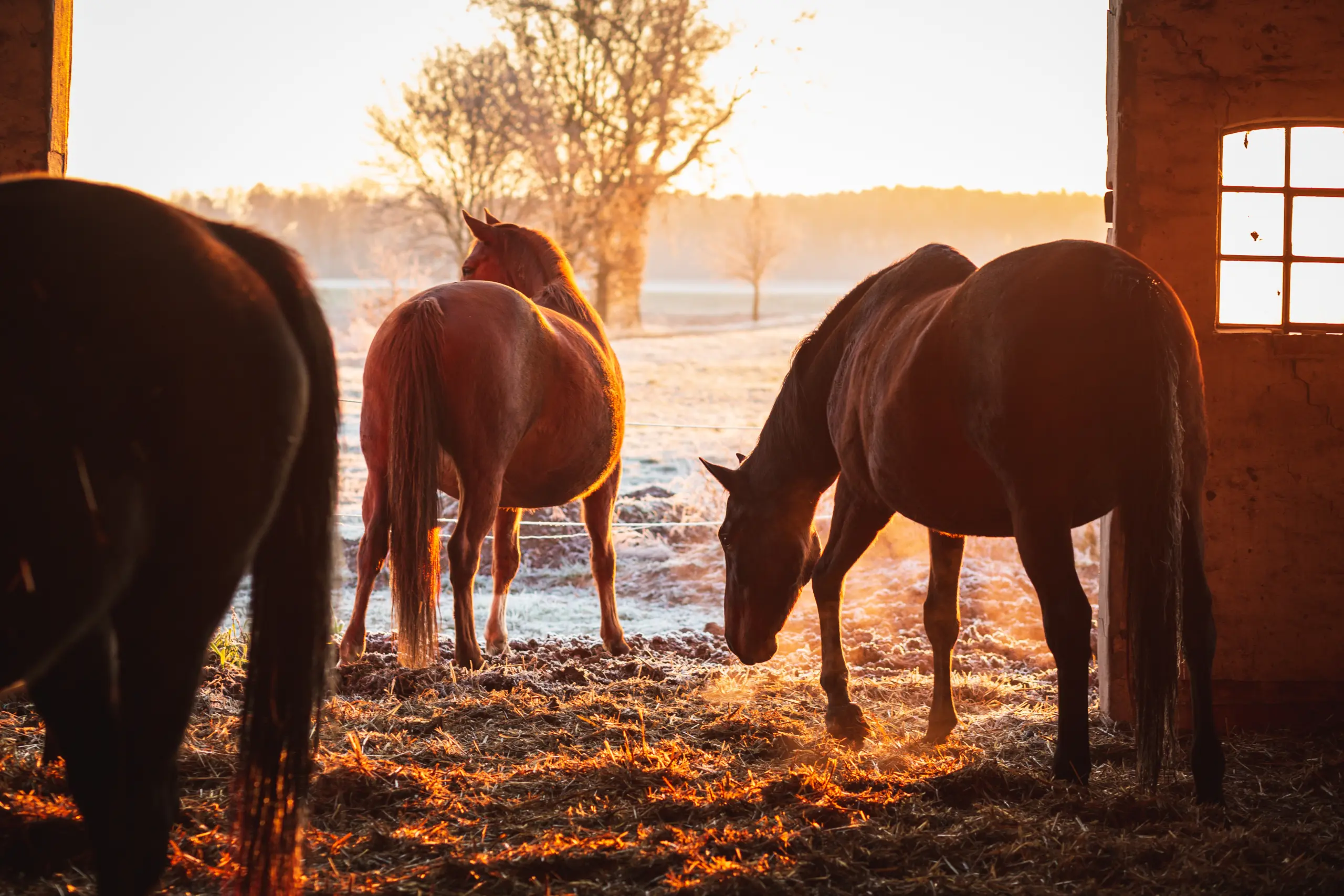
It is a freezing morning in late January.
The snow is shin-deep with a crust of ice, and all you want is a warm fire and hot coffee. But the horses need fed. The stock tanks are frozen solid, the barn entrance is a skating rink, and your young horse has shredded the blanket off your aging gelding. He is soaked and shivering, but where are the backups? What size fits him? The last one rubbed his withers raw. In moments like this, winter barn prep makes all the difference. Here’s how to stay ahead of the cold weather chaos.
Stocking up on quality hay before peak season is not just smart — it is cost-effective. Taking the time to source clean, reliable hay and calculate enough to last through spring grazing can save serious stress when winter is already difficult, but storage is just as important. Spending thousands on top-tier hay only to find the back half ruined by a leaky roof is a surefire way to ruin your day. Double-check that your storage is watertight, hay is kept off the ground, and ventilation prevents excess humidity. Pests can destroy your investment faster than any cold front, so proper grain and hay storage is not only smart but also protects your budget and peace of mind.
Grain and supplements are equally important and should be stocked ahead of time. Keep essential items like electrolytes and digestive support, as well as emergency prescription medications such as Bute (phenylbutazone), on hand to avoid unnecessary trips in harsh weather. Power outages and icy roads are a regular part of Oklahoma winters and can leave you without supplies when you need them most. Bedding, as well as sand or salt for icy patches, is often forgotten until the last minute but can be critical in the moment. Shavings or straw can disappear quickly when stalls are shut for days, and sand or salt can help prevent falls that send horses or humans to the emergency room. Just as you check the inside of the barn, make a habit of walking the outside daily. Manage icy areas around gates, water troughs and entryways, and watch for other weather-related hazards such as drifting snow, sagging fences, or frozen latches that could lead to injury or escape. Keeping a clean, dry stockpile and a safe barnyard will help ensure everyone stays comfortable and sound through the cold.
Arguably the most important — and often most complicated — part of winter horse care revolves around one word: water. Ensuring horses have constant access to clean, unfrozen water is critical, especially during Oklahoma’s surprise ice storms. Heated stock tank deicers are one of the most reliable tools to keep water available and at a comfortable temperature. According to Pine Ridge Equine Hospital in Glenpool, “horses prefer water around 40-45°F. Providing plenty of fresh, clean water at a constant temperature can help reduce the risk of impaction colic.”
Heated buckets work well for stalled horses, and daily soaked mashes with added salt help maintain hydration, especially in older horses. If the power goes out, keeping a spare tank in the warmest part of the barn can help delay freezing. When other options fail, breaking ice by hand may become necessary. In these moments, warm water mashes may help you avert a crisis.
While we focus on keeping horses warm, fire safety is often overlooked, yet winter prep can unintentionally increase the risk. Extension cords stretched across barn aisles, dust-covered surfaces, frayed water heaters, and hay stacked near outlets all create a dangerous setup. Use as few cords as possible, regularly inspect them and install GFCI outlets where you can. Keep fire extinguishers updated and accessible. Although it is the last thing you want to do in freezing weather, clean cobwebs and dust from light fixtures, outlets and heaters. Blocking drafts with hay bales may feel helpful in the moment, but it adds fuel to an already risky area. A few preventative steps now can help avoid disaster later.
Keeping horses comfortable is always the top priority in winter, but too much warmth without proper airflow can do more harm than good. While blocking drafts is helpful, barns must remain ventilated to prevent respiratory issues. As noted by veterinary experts at Penn State University’s Agricultural Sciences Division, “If you have a show horse housed indoors during winter, the barn should be adequately ventilated to reduce the risk of respiratory disease. Proper ventilation eliminates excess moisture and condensation buildup.” Ammonia buildup is common in stalls and can irritate the lungs, especially in closed barns. Cracking doors or windows during the warmest part of the day allows fresh air to circulate. Regular deep cleaning, deodorizing powders and fresh bedding are also essential to maintaining healthy air quality.
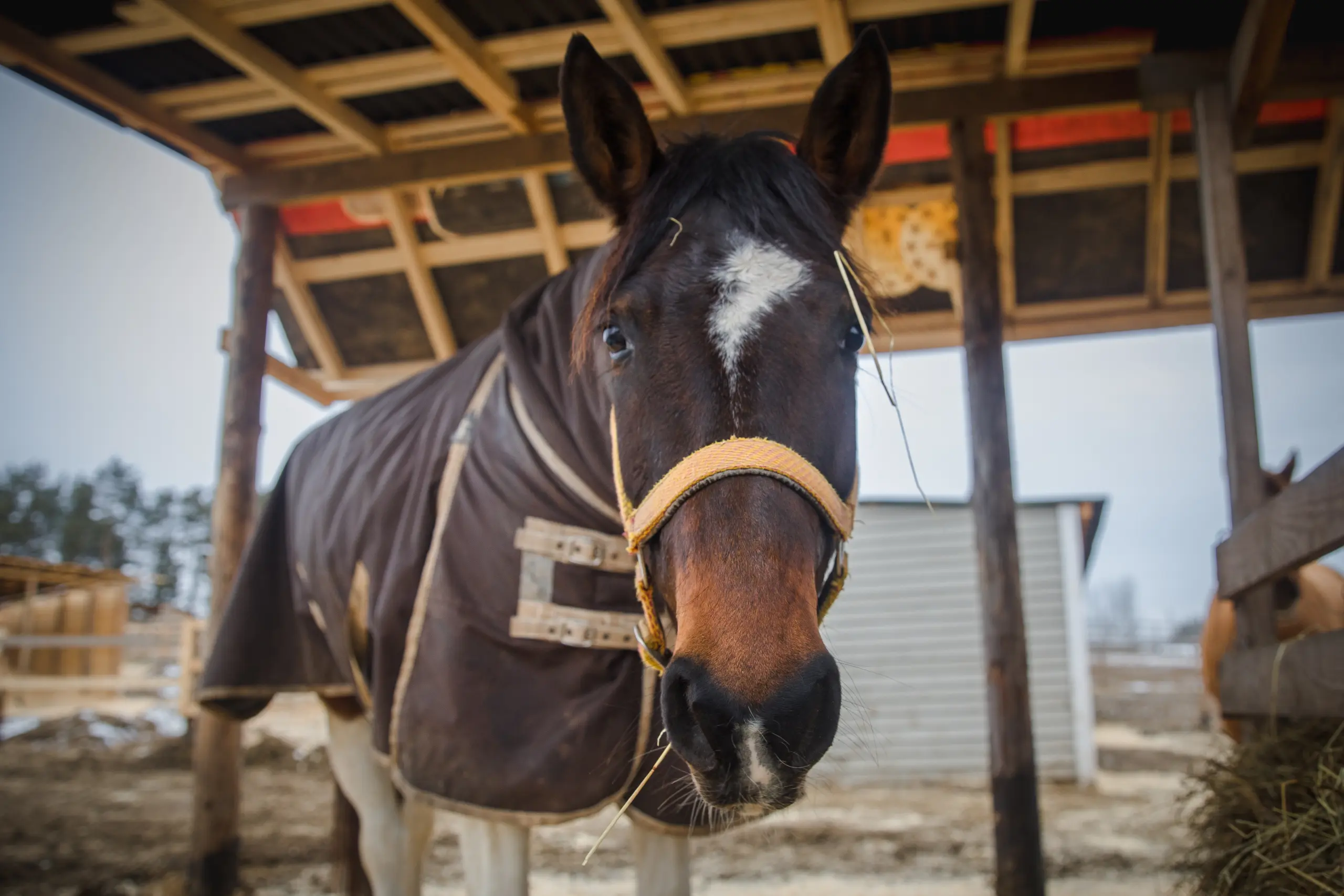
Even with the best winter prep, nothing replaces a watchful eye. Check blanket fit regularly to avoid rubs, sores or shifting that can leave horses exposed to the cold. Take time to feel under blankets for body condition changes, as weight loss can sneak up quickly in winter. Wash blankets often to remove dirt, sweat and hair buildup, which can irritate skin and lead to fungus or rain rot. Store blankets clean, dry and in a rodent-free space to extend their life. Also, keep at least one backup blanket for each horse, so you can rotate them and always have a clean one ready. Having spares in various weights allows for layering during brutal conditions without overdressing when temperatures rise. Consult your blanket’s manufacturer for sizing guides and fitting tips, since an improperly sized blanket could cause issues. Knowing your horse’s “normal” is the best defense against winter health issues. Preparedness matters, but daily awareness is what keeps your horse truly safe through the coldest months.
Winter BARN Punch List
Check it before the cold rolls in!
Feed and Bedding
- Hay to last until spring
- Grain and supplements stocked
- Extra bedding
- Sand or salt for ice
Water
- Heated tank deicers/buckets
- Spare tank in warm spot
- Ice-breaking tools
- Soaked mash ingredients
Fire Safety
- Inspect cords and outlets
- GFCI outlets installed
- Fire extinguishers ready
- Remove dust and cobwebs
Blankets
- Proper fit checked
- Backup blankets clean and dry
- Multiple weights for layering
- Barn and Yard
- Clear ice at gates and troughs
- Fence and latch repairs
- Safe ventilation in barn
Emergency Kit
- First-aid supplies
- Prescription meds on hand
- Flashlight and spare batteries
- Vet and hauler contacts ready
- Trailer accessible, cleared of ice/snow