by Ashley Daily
Photos courtesy of Equine Medical Associates
Pituitary pars intermedia dysfunction (PPID), more commonly known as equine Cushing’s disease, is an endocrine disorder that affects equids. Equine Cushing’s differs slightly from the form that affects dogs and humans, which is why it is now mostly referred to as PPID.
The pituitary gland is a small, grape-sized organ located at the base of the horse’s brain, underneath the hypothalamus. This organ, sometimes called “the master organ,” is responsible for producing hormones that are crucial to many bodily functions including growth, reproduction and kidney function. The gland consists of three parts — the anterior (front) pituitary, posterior (back) pituitary and the pars intermedia (middle) pituitary. Each section of the gland has its own job, overseen by the hypothalamus, to which it is connected by a stalk of nerves and blood vessels. Problems occur when an abnormality in the pars intermedia causes the gland to produce an excess of adrenocorticotropic hormone (ACTH).
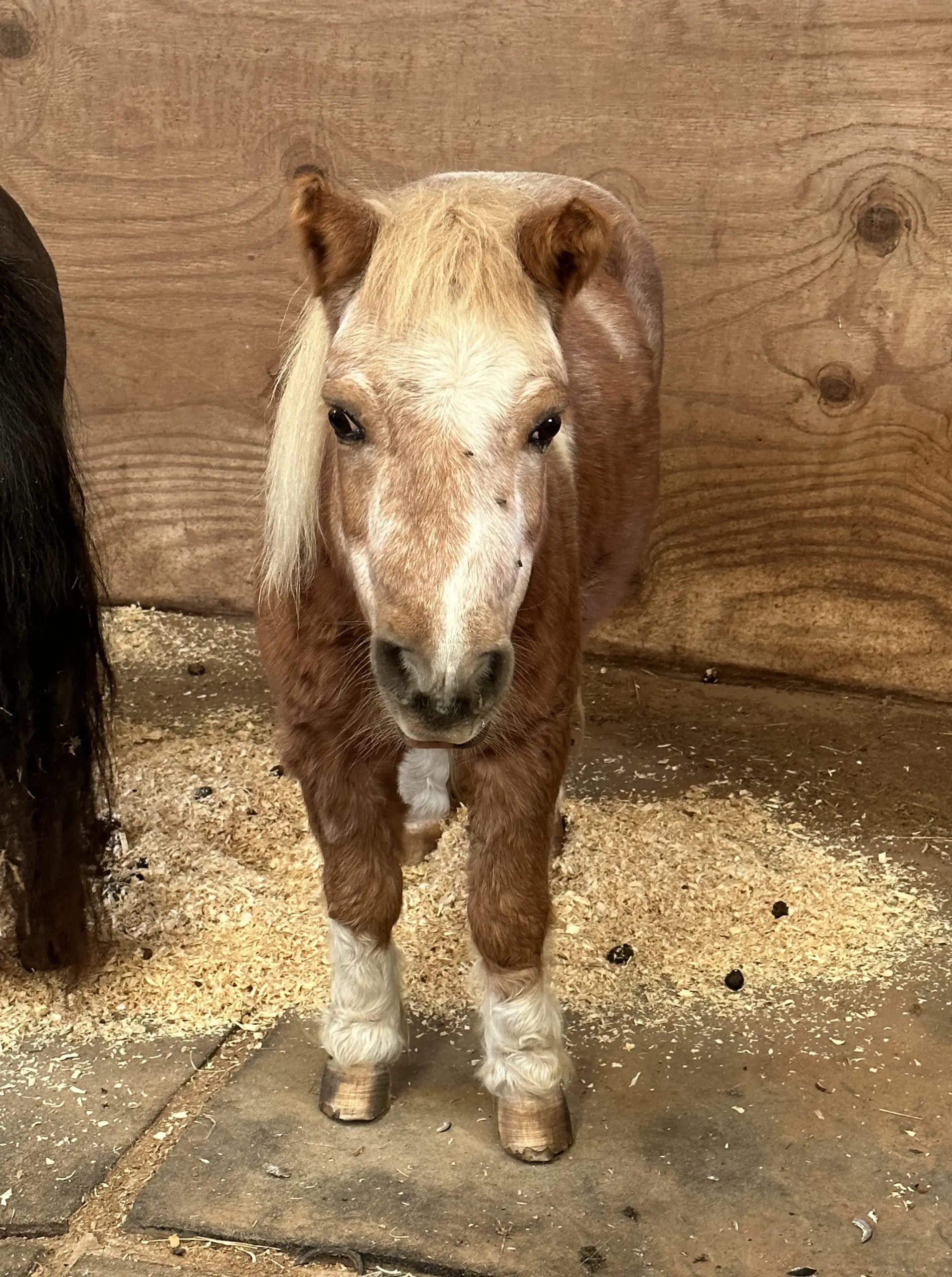
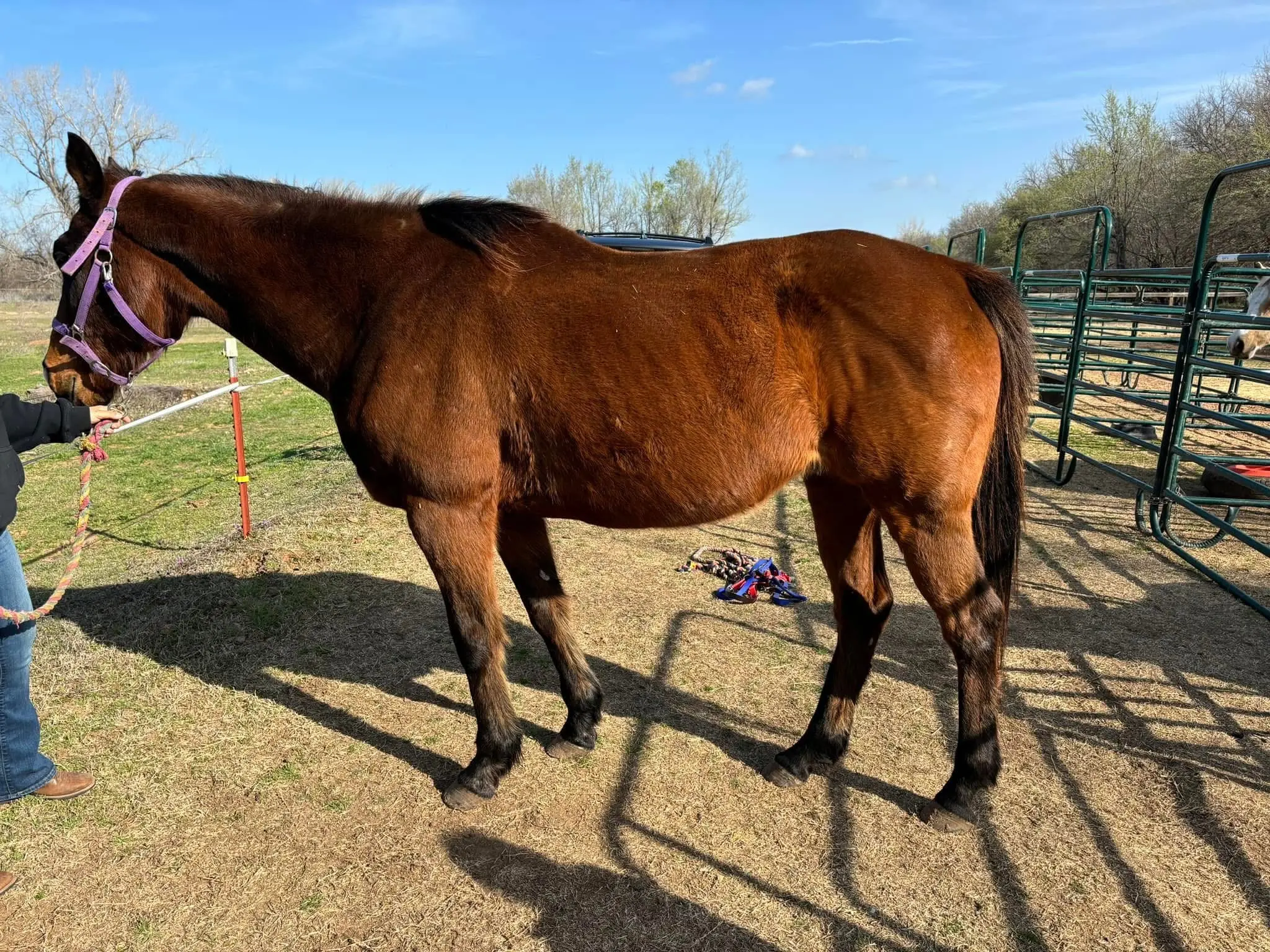
This hormone tells the adrenal gland to secrete cortisol — the stress hormone — and the ensuing hormonal imbalances contribute to the clinical signs of PPID, such as a shaggy coat that doesn’t shed. However, not all horses develop this classic symptom. It’s important to recognize the early signs of Cushing’s because the sooner treatment is started, the better the horse responds to medication.
“Earliest signs will sometimes include the horse getting hoof abscesses all the time,” explains Logan Kembel-Whitfield, DVM, of Equine Medical Associates in Edmond. “Or they might have some sort of wound that’s not wanting to heal.”
She adds that a pot-bellied appearance can also be an early indicator of PPID. Other signs of Cushing’s include increased water consumption, resulting in more frequent urination, and bouts of laminitis.
Kembel-Whitfield notes that many horses with metabolic issues go on to develop Cushing’s. While Cushing’s can’t be prevented, researchers have found that vitamin E, an antioxidant found in grass, may help lower the risk. For horses not allowed on pasture due to health concerns, a vitamin E supplement can be used, but owners should check with their veterinarian to determine the correct dosage.
All breeds of equines have a risk of developing Cushing’s once they reach their senior years. An estimated 20 percent of horses over the age of 15 develop PPID, and while rare, horses have been diagnosed as young as 7 years old. Interestingly, ponies and Morgans seem to be at a higher risk for developing the disorder.
To test your horse for Cushing’s, the veterinarian will perform a blood test, ideally at least four hours after a grain meal, as grain can cause a temporary spike in ACTH levels, resulting in a false positive.
“We will test their ACTH levels and their insulin level, usually together,” Kembel-Whitfield says. “In some of the really early signs, there’s something called a TRH (thyrotropin-releasing hormone) stimulation test, where we will give them an injection of TRH. Then we pull a blood sample with the injection, wait ten minutes and pull it again at exactly ten minutes.” A positive test result will show an increased level of ACTH in the second blood test.
However, seasonal variations can impact the results. Normal horses will naturally have fluctuating levels of ACTH throughout the year, with elevated levels generally observed in the fall. Speak with your veterinarian to determine the best time to test for Cushing’s.
Your veterinarian will help you determine the best treatment options. Pergolide is a medication often prescribed to manage Cushing’s. It is given daily, and some horses may require a higher dose over time. Kembel-Whitfield notes that Pergolide has been very effective in controlling the clinical signs of Cushing’s.
Your horse’s veterinarian will also guide you in creating a diet plan. A low-starch, low-carbohydrate diet is often recommended and helps to reduce the risk of insulin resistance. Limiting a horse’s access to lush pasture might also be recommended. Horses with PPID have compromised immune systems, making them more susceptible to internal parasites, so working with your veterinarian to create a safe, effective deworming schedule is important.
Grooming, as well, should not be overlooked in a horse with Cushing’s. Body clipping is often required to keep horses more comfortable in warmer weather.
Just because your horse has been diagnosed with PPID doesn’t mean he should be retired from riding. In most cases, horses well managed on pergolide can continue to be productive, but it’s a good idea to check with your veterinarian to discuss your horse’s individual needs.
The prospect of PPID shouldn’t deter people from owning senior equines. These older horses have years of experience and offer excellent learning opportunities for beginners. With early detection and thoughtful management, they can continue to lead happy, productive lives long after diagnosis.