by CAROL MOWDY BOND | Photos courtesy of Beau L’Amour
Hollywood’s release of the movie “Hondo” in 1953 launched writer Louis L’Amour into the national spotlight. Based on L’Amour’s short story “The Gift of Cochise,” published in Collier’s magazine, the movie’s success was a win-win for L’Amour.
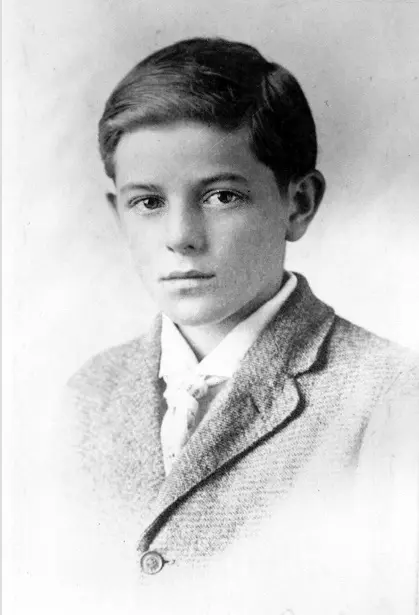
A tenth-generation American, L’Amour’s rise as America’s Storyteller of the West came alongside his fascination with the subject. He was a North Dakota native born in 1908, and his family tree aligned with America’s westward expansion.
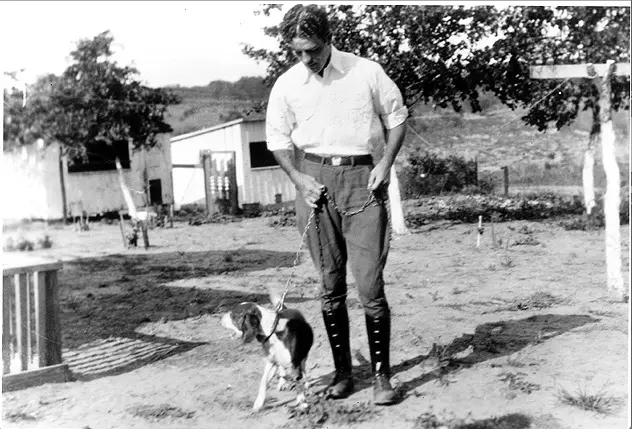
The family lineage was ripe with nitty-gritty, firsthand experiences of the West. As well, L’Amour grew up in a farming community, and he sometimes made house calls with his dad who was a large animal veterinarian. Horses were everywhere and necessary, and he rode horses for various jobs and transportation.
When bank failures devastated the Midwest in the early 1920s, 15-year-old L’Amour left high school and hit the road with his parents in search of work, using his boxing skills to earn gas money and keep the family moving.
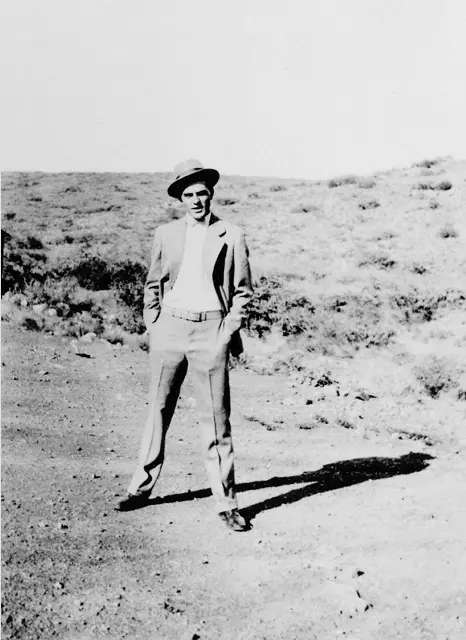
But by his early twenties, L’Amour was a drifter looking for jobs. Over time, he worked as a miner, skinned cattle, baled hay, worked sawmills and lumber yards, and he circled the globe as a merchant seaman. He also rode the rails between jobs, sleeping in hobo camps.
During those vagabond years working odd jobs, L’Amour met a number of colorful, well-known legends of the Old West. He spent time with them and later curated their stories. In a 1976 “60 Minutes” interview, L’Amour discussed Old West shootouts: “I have talked to at least 30 of the old gunfighters and outlaws, and they all said the same thing. The first one who told me was Bill Tilghman, who taught me how to use a pistol. He said the fast draw is important, but the most important thing is making the first shot count. You may never get another one.”
In the 1930s, L’Amour moved in with his parents near Choctaw, Oklahoma. There he worked various jobs and launched his writing career. He sold short stories, and he published his first book. L’Amour’s recognition as a writer grew during the 1930s, mainly by writing for pulp magazines read by millions.
Then L’Amour was deployed during World War II. On his arrival home from Europe, he attended a Manhattan party where he made a life-altering decision. An editor asked L’Amour to write Westerns for him, which jump-started his postwar writing career. He invented Chick Bowdrie, a Texas ranger, and he featured him in over two dozen stories.
However, it was John Wayne’s stardom in the 1953 Hollywood film that transitioned L’Amour from struggling writer to the forefront of the Western fiction genre. Wayne and Geraldine Page starred in the title roles of “Hondo” and drew considerable attention. Beyond the movie’s box office success, L’Amour expanded “The Gift of Cochise” into the novel “Hondo,” published in 1953. “Hondo” still ranks as one of the 25 best Western novels ever written.
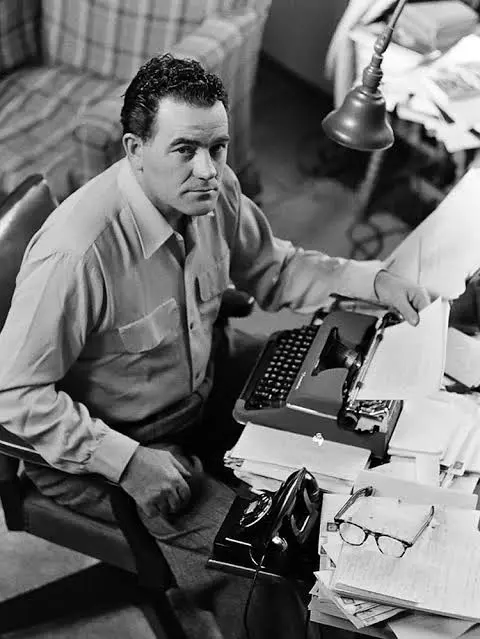
In 1956, L’Amour married. He and his wife, Katherine, traveled the West by car with his typewriter in the trunk. They hiked through various areas, researching and gathering details for the stories he would later write.
Almost 30 years later, L’Amour bought a spread in Colorado where he and his family often spent summers. His son, Beau L’Amour, discusses horses that lived at the ranch.
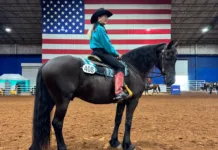
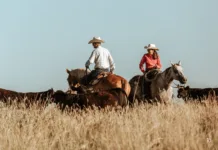
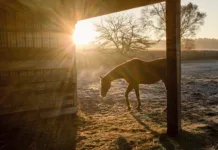
“Most of our horses lived a good long time,” says Beau. “Because of their ages, they were almost never ridden. We took in four or five horses and a couple of donkeys that needed a retirement home.”
“A large chestnut gelding was in good enough shape to jump the low fence around the pasture,” he says. “When he wanted back in, however, he was too lazy to expend that much energy. He would come to the house in the middle of the night and make an obnoxious amount of noise until I would get up and go out into the field to open the gate for him, at which point he’d stampede through, nearly knocking me over!”
L’Amour’s work ethic, outstanding memory and sweeping knowledge of history combined to bring authenticity to his narratives about the West. He claimed to have “over 6,000 years of man’s history” at his fingertips in his huge Los Angeles in-home library.
By the time of his 1988 death, L’Amour had produced a massive portfolio of work, with his characters often relying on horses as they traversed the West. He published 250 short stories and 92 novels. Over 40 of his titles were made into film or television projects, and his work was translated into over 20 languages.
L’Amour’s book sales topped 300 million, surpassing those of all Western fiction authors in the history genre, even outselling Steinbeck.
With all of his work still in print today, L’Amour continues to immerse readers in amazing stories. It’s fair to say that enthusiasts around the globe still know L’Amour and the West through his paperbacks, hardbacks, short stories and film adaptations. He truly remains the ultimate storyteller of the American West.