Summer prep tips every horse owner should implement in May
by Abigail Stark
May is an excellent time to buckle down on our summer prep. The weather is shifting, but we have not yet hit the triple digits for which Oklahoma is notorious. As we start gearing up for the summer grind, it is easy to feel overwhelmed by training schedules, show entries, vet and farrier appointments, and dietary adjustments as the grass greens, not to mention the demands of your own personal life.
Below is a short list of commonly overlooked areas that frequently become last-minute scrambles, intended to help create a smoother shift from spring into summer.
Oklahoma Summers Are Sweaty
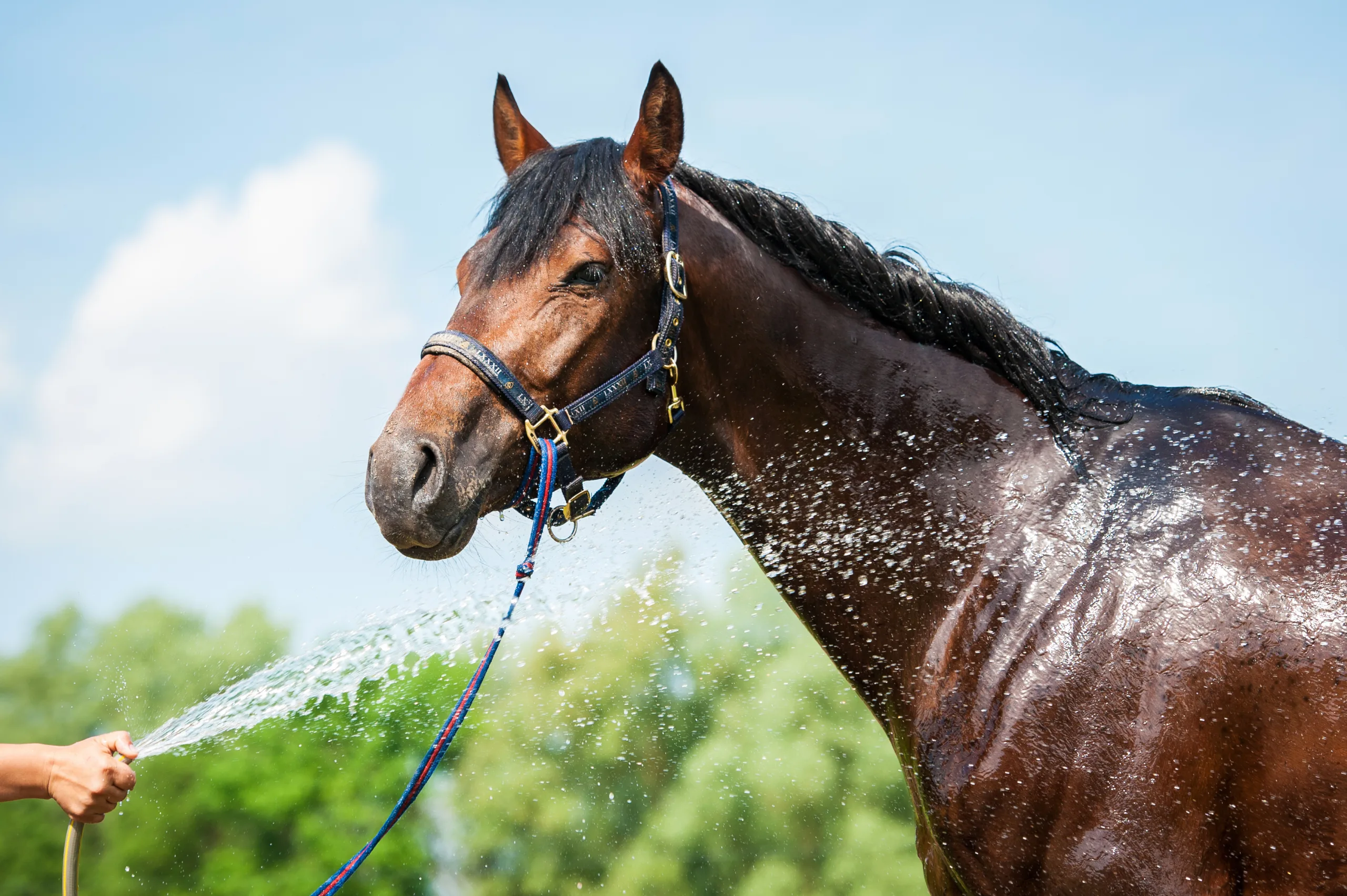
We all know it. No matter where you live in Oklahoma, it gets hot. Really hot. Triple digit, sweat through your clothes by 8 a.m. with 90 percent humidity kind of hot. Our horses struggle just as much as we do, especially when we ask them to perform and work hard. Fortunately, there are several key things we can do to help them continue performing safely and effectively.
Adding salt to daily rations is an excellent way to ensure horses consistently receive a minimum level of electrolytes. If your horse tolerates it, soaking daily grain is another excellent way to ensure that salt is consumed while also starting the day with additional hydration.
Providing salt licks in stalls and turnout areas allows horses to self regulate their salt intake. However, take caution with salt licks tied to fences. As horses wear them down, exposed twine can become a trap for lower jaws or teeth. What began as a helpful addition can quickly turn into a veterinary emergency and fence repairs.
Sweating is critically important for temperature regulation. After every ride, it is helpful to become familiar with your horse’s normal sweating patterns. More importantly, recognize when a horse stops sweating.
Kentucky Equine Research states, “Aside from lack of sweating, an acute episode of anhidrosis is characterized by labored breathing, flared nostrils, increased heart rate, increased body temperature, fatigue and possibly collapse. The greatest risk with anhidrosis is the onset of heat stroke, which can be fatal if not dealt with immediately.”
Monitoring your horse before, during and after exercise, along with understanding their normal behavior, can make a significant difference in early detection. Rapid response can often make the difference between a minor issue and a major veterinary emergency.
Parched
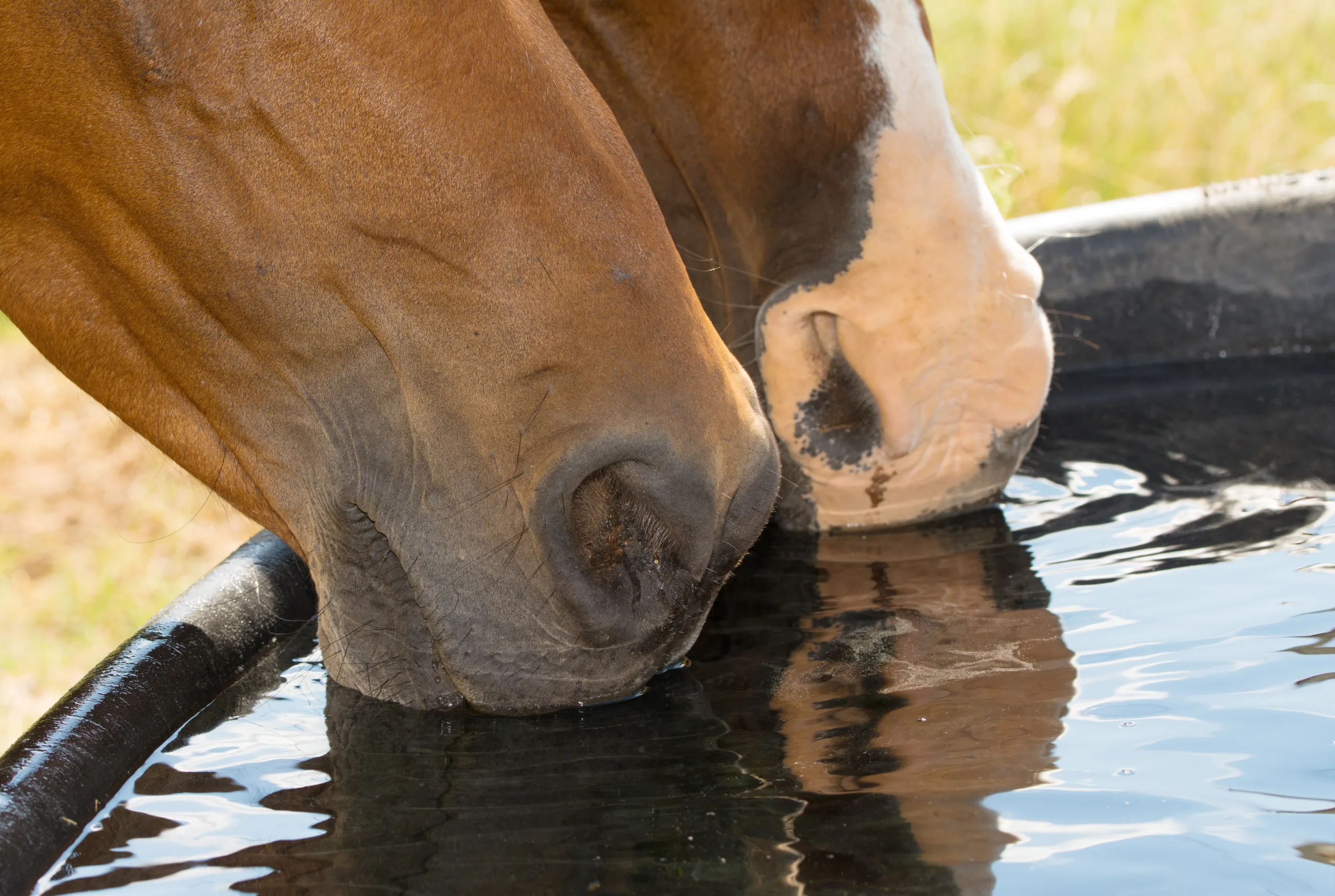
With increased salt intake, it becomes even more important to provide constant access to fresh water. Just as we carefully monitor water intake during winter to help prevent colic, hydration remains equally critical during summer. Dehydration can lead to colic, heat stress and decreased performance.
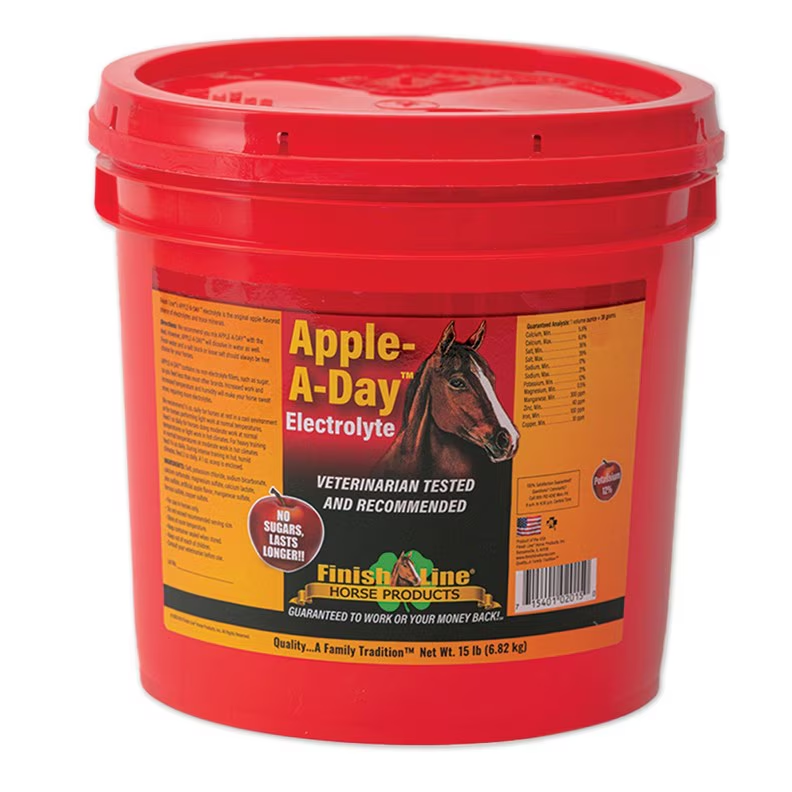
Regularly scrubbing buckets and stock tanks can make a significant difference, especially for horses that are picky about their water sources. Stocking electrolyte powders, pastes and water additives ahead of time can also reduce stress during peak summer months. Establishing routines is best done in consultation with your veterinarian, who can help customize a plan based on workload, travel schedule and any preexisting conditions.
Do Not Forget the Fans
We strive to provide our horses with the best care possible, but sometimes the simplest maintenance tasks get overlooked. Hanging fans in stalls helps horses regulate temperature and reduces fly irritation. However, dusty fans are one of the leading causes of barn fires.
Cleaning fan blades and housings regularly is a simple task that can prevent devastating consequences. Checking fans and scrubbing water tanks weekly is one of the best ways to reduce overall risk while supporting your horse’s comfort and health.
Manure Management Matters
Another often overlooked aspect of summer preparation is manure management. Cleaning pastures regularly and properly managing manure piles can significantly reduce fly populations. Fly sprays, masks, boots and sheets are valuable tools, but nothing compares to eliminating breeding grounds. Proactive manure management addresses the problem at its source and greatly improves horse comfort.
Sun Exposure and Skin Protection
Sun exposure is another important but often overlooked aspect of summer horse care. While we tend to focus on hydration and cooling, prolonged exposure to intense sunlight can create serious discomfort and health concerns for our horses, especially those with light colored skin.
Pink noses, white markings and thin coated areas are particularly vulnerable to sunburn. What may begin as mild redness can quickly progress to cracking, peeling and painful sores. Horses experiencing sunburn may become head shy, resist bridling or show behavioral changes due to discomfort.
Providing access to shade in turnout areas is one of the simplest and most effective preventative measures. Whether natural shade from trees or constructed shelters, giving horses the ability to escape direct sunlight allows them to regulate their comfort throughout the day.
Fly masks with nose coverage are another excellent investment, particularly for horses prone to sunburn. These masks provide protection without interfering with daily turnout or grazing. For horses with significant sensitivity, equine safe sunscreen can also be applied to vulnerable areas such as noses and around the eyes.
It is equally important to monitor changes in skin condition throughout the summer. Early signs of irritation are much easier to manage than severe sun damage. Making skin checks part of your regular grooming routine allows you to identify small issues before they develop into larger problems.
Protecting your horse from excessive sun exposure not only improves comfort but also helps maintain focus, performance and overall wellbeing throughout the busiest months of the year.
Travel Plans
Traveling in summer heat presents unique challenges. Managing arrival times, preparing for emergencies, maintaining horse health and caring for yourself all require thoughtful planning. Before traveling, have your trailer inspected by a trusted mechanic. At minimum, inspect axles, wheels, tires, wiring and flooring. While inspections cannot prevent every issue, they significantly reduce the risk of preventable breakdowns and help protect your investment.
Additional helpful practices that can significantly improve your horse’s comfort and safety include:
- Traveling during the coolest parts of the day or overnight when possible
- Maximizing airflow through the trailer
- Hanging partially filled water buckets when safe to encourage drinking
- Using water additives to maintain hydration
- Providing electrolytes the night before and morning of travel
- Offering water immediately upon unloading
- Keeping hay available during transport and while tied
Closing Tips and Health Reminders
Summer is often the busiest season for horse owners, whether you compete on the AA circuit, trail ride, participate in 4-H or rodeo regularly. Taking time now to review health protocols and prepare thoroughly can prevent avoidable setbacks later.
Check event requirements well in advance, especially when crossing state lines. Ensure all health certificates, vaccinations and documentation are current. Your veterinarian is an excellent resource and can help ensure you and your horse are fully prepared.
A little preparation now can mean the difference between a stressful summer and a successful one.
Hot tip
Using a small amount of bleach and a clean toilet brush is one of the easiest ways to scrub large stock tanks. Bleach helps kill algae and harmful bacteria while making scrubbing easier. Always rinse thoroughly before refilling.