The First King of the Cowboys
by Carol Mowdy Bond
Between the advent of 19th-century Wild West shows and the 1930s singing cowboys, cinema entertainment emerged. By 1896, minstrel show producer and vaudevillian William Selig founded Chicago’s Selig Polyscope Company, one of America’s first motion picture studios and the first to expand filmmaking operations to the Los Angeles area of California. During the 1910s, 15-minute silent films dominated cinema.
There were many names and egos in the mix. But like other filmmakers, Selig moved quickly. At one point, he transitioned from 15-minute films to two reelers.
Simultaneously, Tom Mix headed west. A Pennsylvanian born in 1880, he had a lifelong love of horses. He quit school by age 10 and had a checkered stint in the army. But Mix struggled with his identity. Throughout his life, he continually reinvented both his past and present. And to this day, it’s hard to tell fact from fiction.
But for certain, by about 1902, Mix settled in Guthrie, Oklahoma Territory, where he worked odd jobs. He was a fitness trainer and boxing instructor in the Carnegie Library basement while his first wife taught English to Guthrie students.
A hard worker, Mix was handsome, charismatic, flamboyant and athletic, with a magnetic smile. He was also a teller of big, colorful tales, constantly reshaping his personal biography to suit the moment.
Established in 1889, the Blue Belle Saloon was Guthrie’s main watering hole where the era’s big names gathered. Mix even bartended at the Blue Belle. As early as 1902, he formed relationships with famous names such as Zack Mulhall and Joe and Zack Miller of the Miller Brothers’ 101 Ranch. Because the Millers transitioned into the movie-making industry, Mix would find acting opportunities through them.
The Mix narrative is muddled at this point, but apparently by 1905, he signed on with the Millers both as a ranch hand and in their Wild West shows, where he learned to saddle a horse and rope. He performed as a bronc buster for the Millers’ shows for $35 a week.
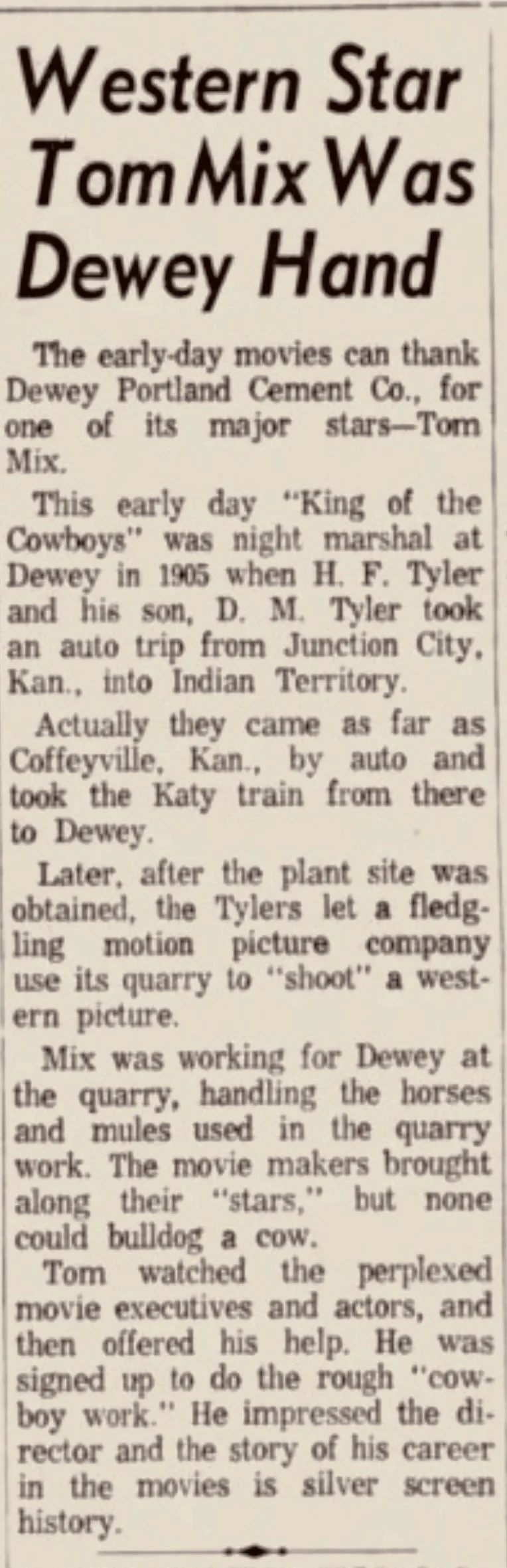
After marrying his third wife, Mix moved to Dewey, Oklahoma, where he was appointed as Dewey’s night marshal. He also worked for the Dewey Portland Cement Company, handling horses and mules in quarry work. A small-time movie company filmed at the quarry, but none of the actors could handle a cow. So Mix signed on to do rough “cowboy work,” which acted as another segue into films.
But Mix was a rolling stone, quick to move on whenever the mood struck. His appetite for trouble — and the scandals that followed — complicated nearly every corner of his life, including his five marriages.
However, Mix had unusual advantages. During his life, he watched live performances by icons such as Buffalo Bill Cody and Annie Oakley. He worked with, knew, or became friends with Wyatt Earp, Will Rogers, Lucille Mulhall and other Old West-style celebrities. Performing with the 101, Mix was known for a wild entertainment stunt that he, Bill Pickett and Stack Lee performed in Mexico City in 1910.
Meanwhile, Selig headed to the 101 to make Western movies, and he found plenty of cowpokes. When he needed a horse ridden over a cliff for a movie, Mix volunteered. Selig then lassoed Mix for future films, initiating Mix’s journey to stardom.
From 1909 to 1917, Mix made 236 silent films for Selig. While some ran just 15 minutes, the studio gradually shifted to longer two-reel productions. Of those films, 131 were Westerns.
Meanwhile, the movie industry was quickly evolving. From 1917 to 1935, Mix acted in at least 99 feature films for other companies and finally made his way into talkies. But a bullet to the throat plus repeated broken noses damaged his voice, so talkies, along with his high price tag, spelled the end of his film career.
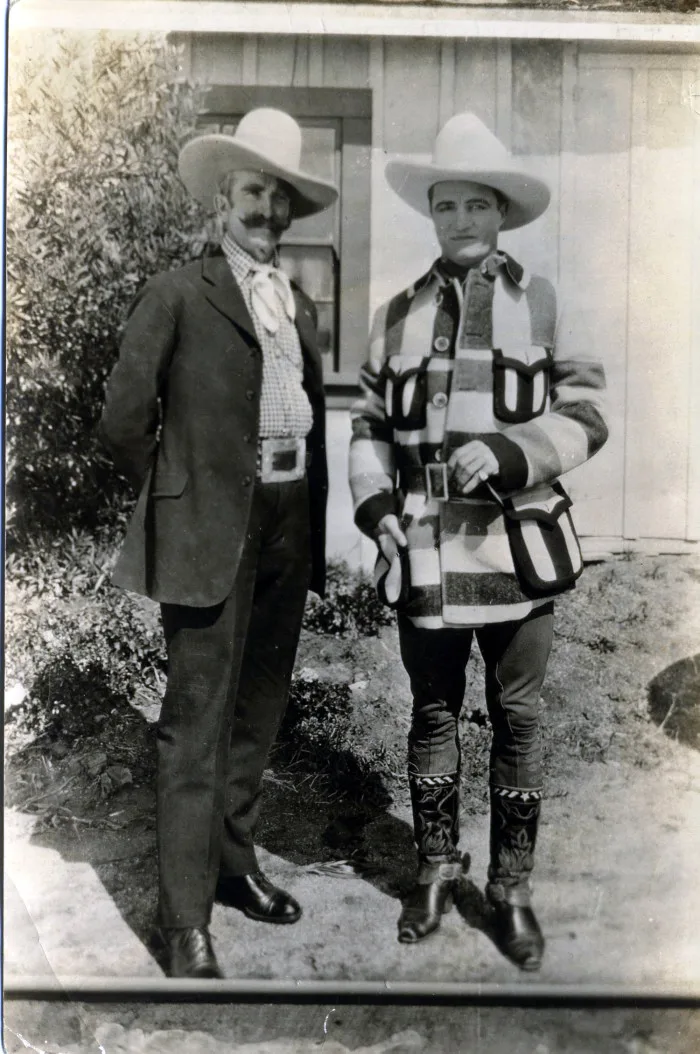
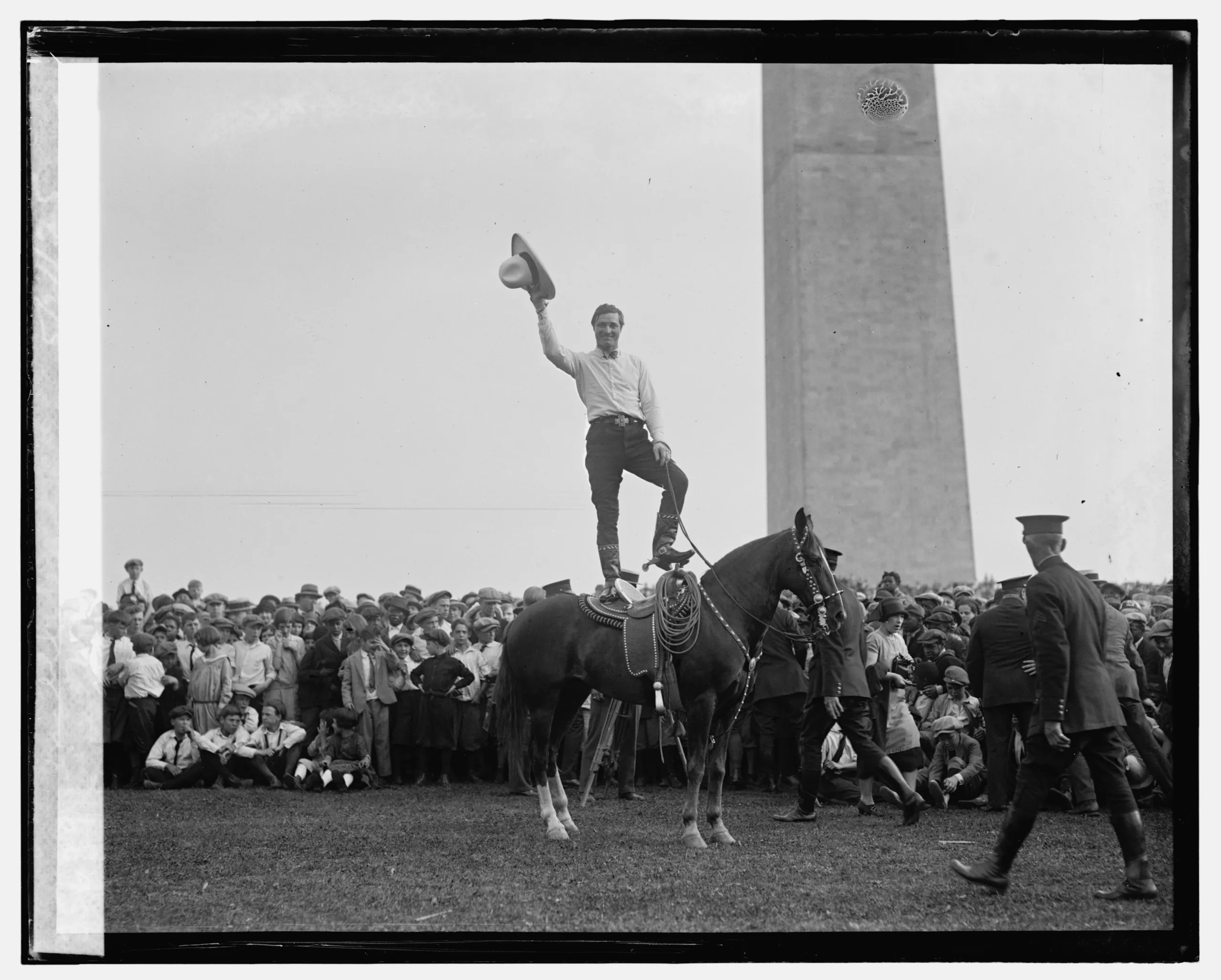
Mix was famous around the world, and his movies often involved action, horseback riding, flamboyant cowboy costumes and showmanship. He performed his own daredevil stunts, pioneering many early movie stunts. He also produced, wrote and directed films. He worked globally for a wide assortment of entertainment venues. He even created a traveling show that employed hundreds during the Great Depression.
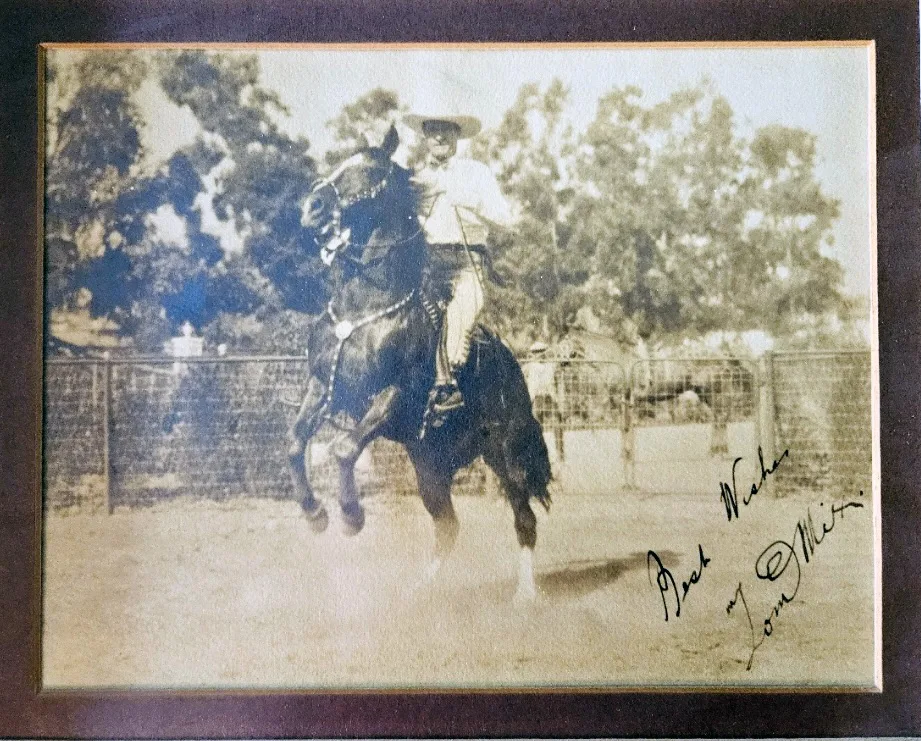
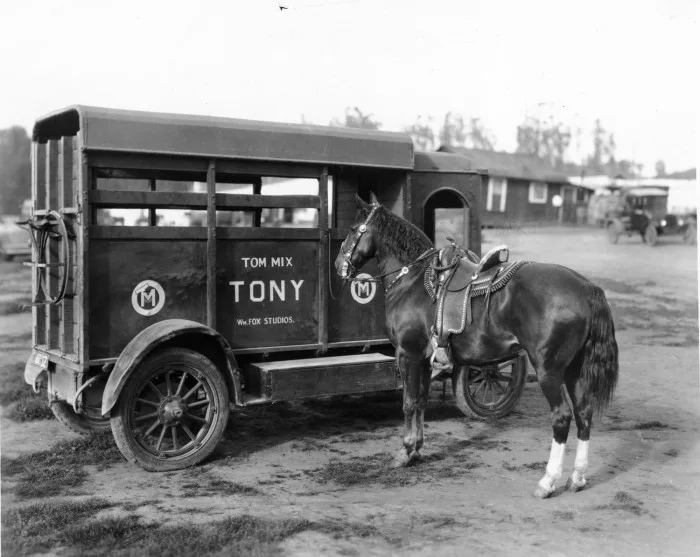
Of the many stars launched by Oklahoma’s 101 Ranch, Mix became one of the brightest, earning $17,000 a week at his peak ($280,000 today). Widely considered the first “King of the Cowboys,” he helped define the archetype: the off-white Stetson, the skilled horseman, the moral code. His horses — Old Blue, Tony and Tony Jr. — were stars in their own right, and his on-screen persona reflected the values he championed, insisting his characters neither smoked, drank nor cursed.
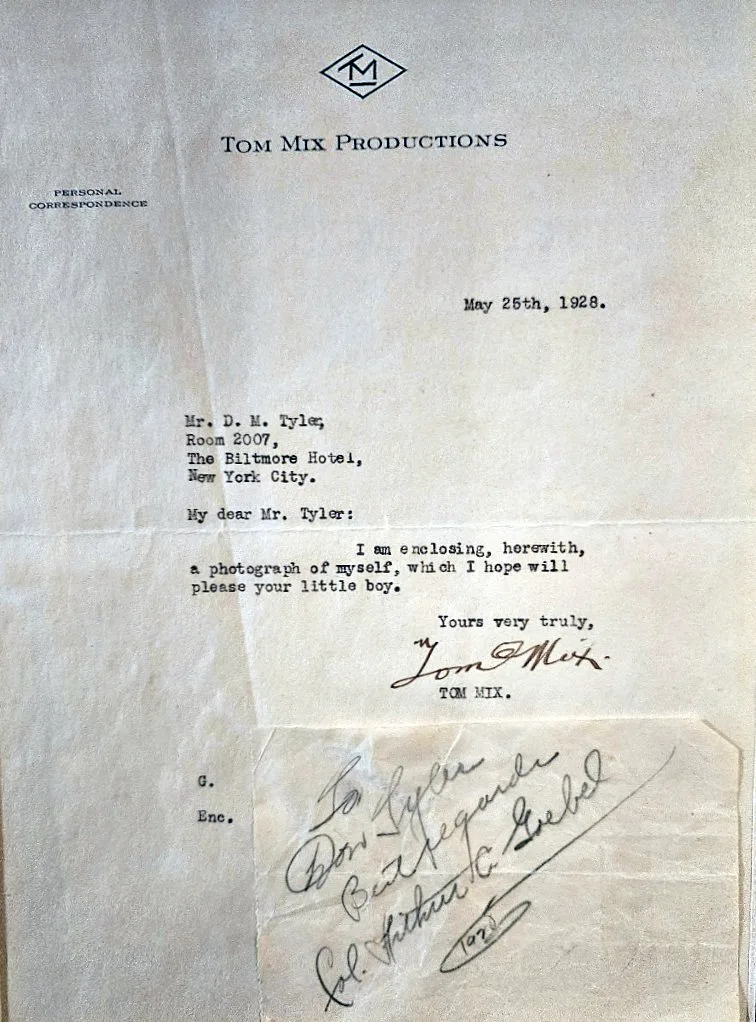
Through his kids’ fan club, he reinforced a simple credo: straight shooters win, and lawbreakers always lose. When Mix died in 1940, he left behind more than a long film career; he helped shape the image of the American cowboy that audiences still recognize today.