From battlefield to racetrack, frontier trails to modern arenas, these horses left their mark on America
by Carol Mowdy Bond
For 250 years, horses have been more than companions in American life — they’ve been partners in building, fighting, racing and storytelling. As the United States celebrates its 250th birthday on July 4, we look back at a few of the legendary horses that helped shape the nation’s history and culture.
Founding & the Revolution
Nelson
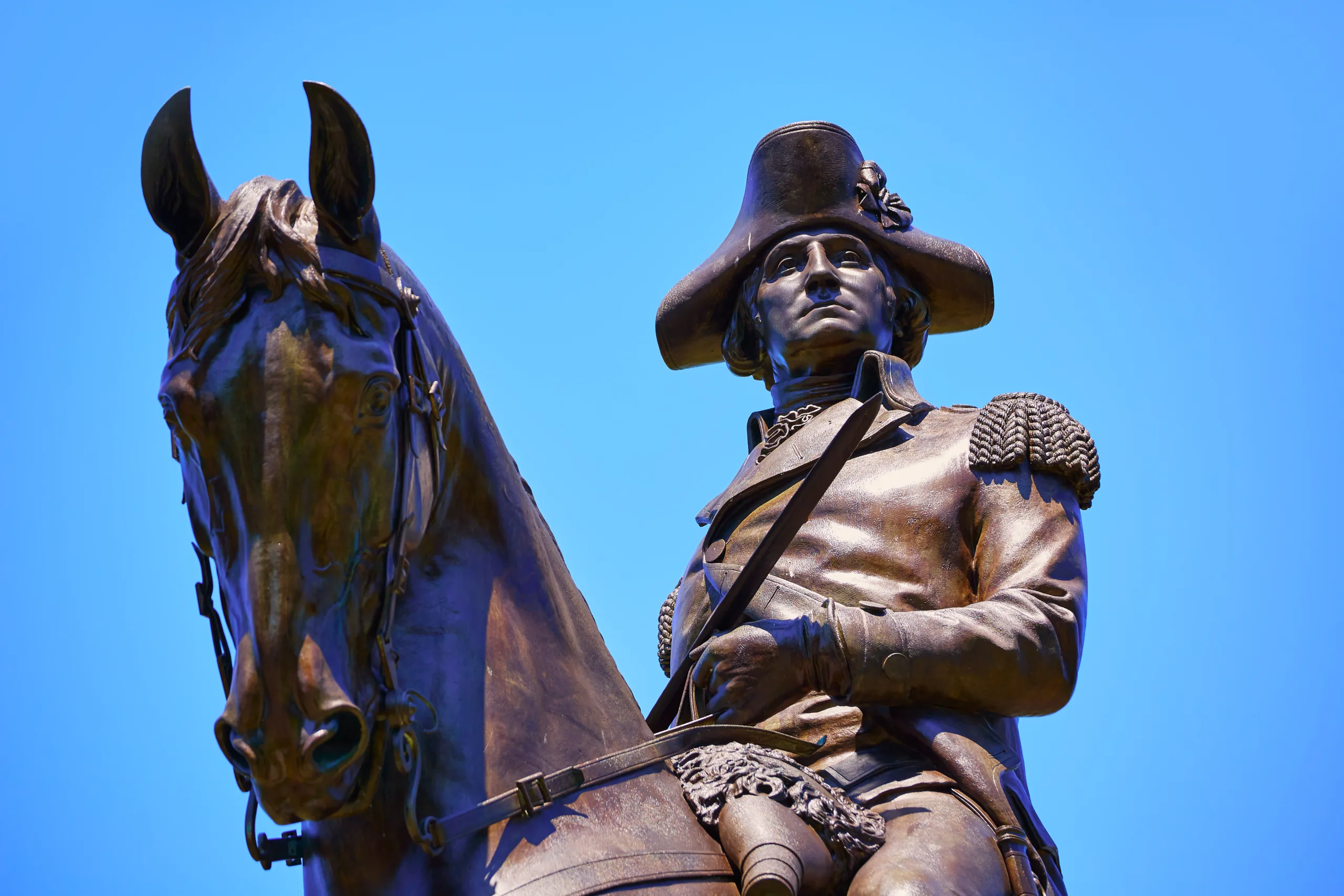
Of his many horses, Nelson was George Washington’s favorite. A superior horseman, Washington (1732–1799) rode Nelson during the American Revolution, and the day the British army, under Lord Cornwallis, surrendered.
‘A Very Good Horse’
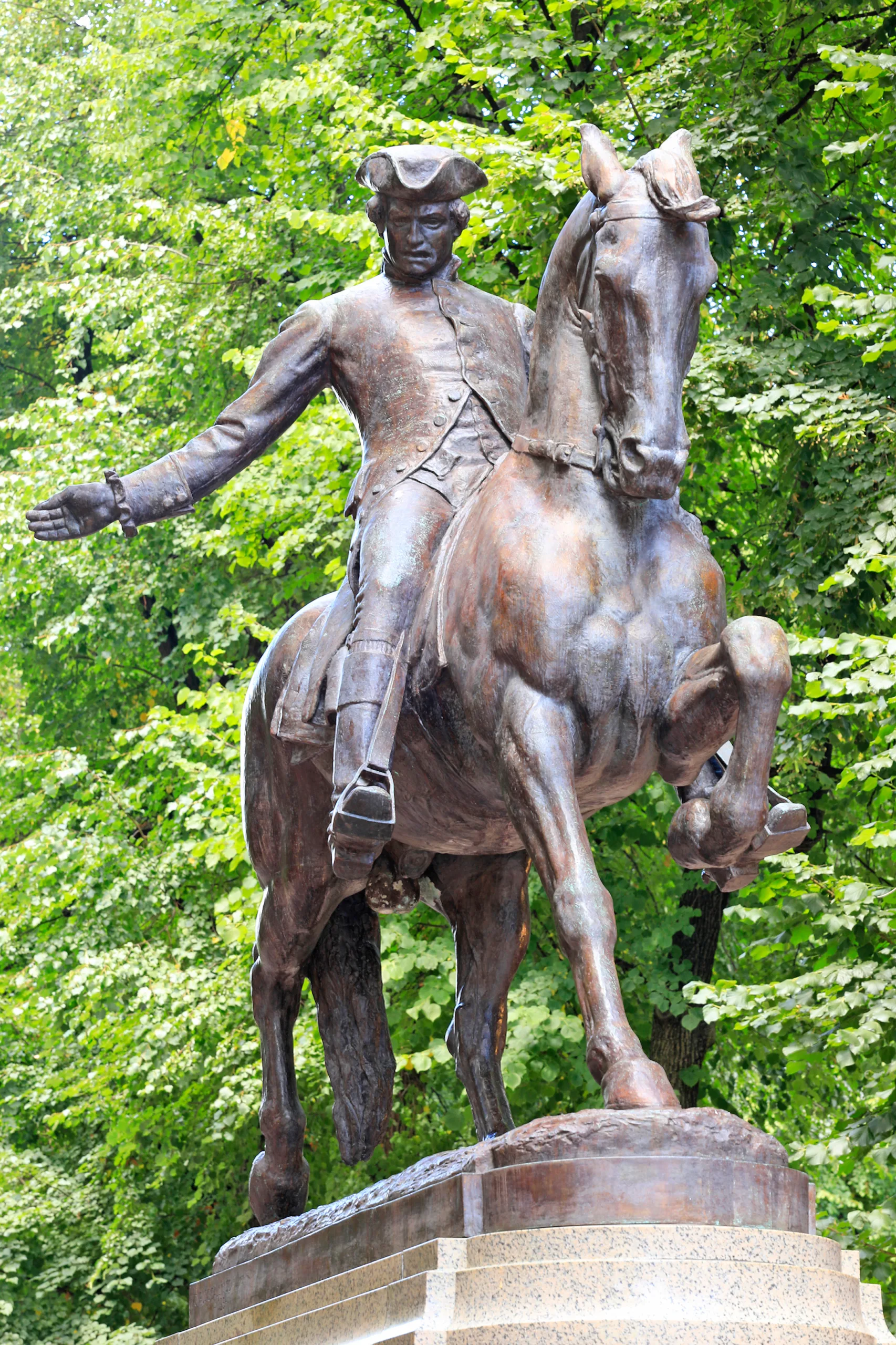
In 1775, Paul Revere (1735–1818) made his Midnight Ride on a borrowed horse he would later call “a very good horse,” a modest description for an animal carrying a message that would echo through history. Revere rode to warn American colonists that British troops were marching into the countryside to arrest Sons of Liberty leaders and to destroy munitions.
The Civil War Era
Traveller
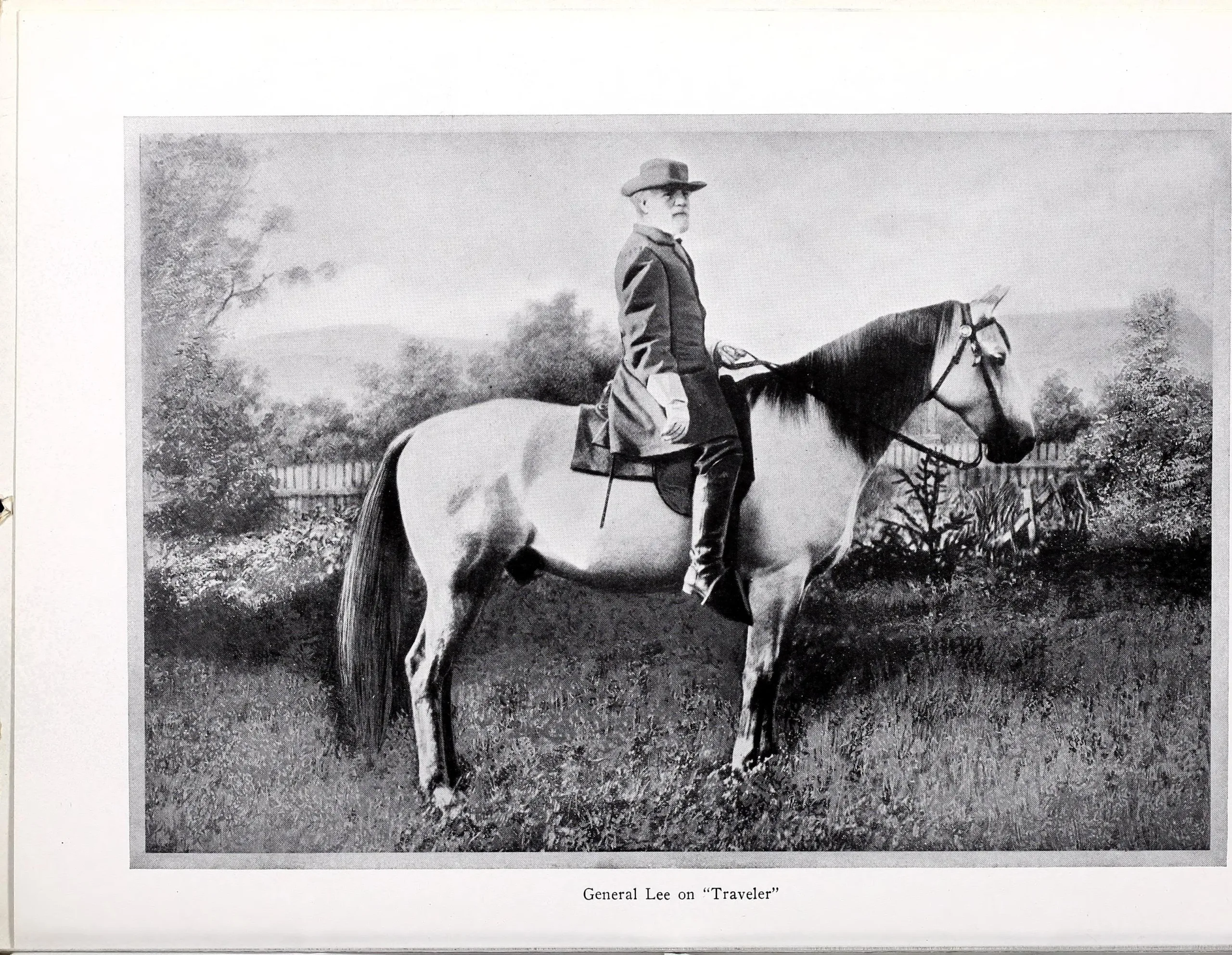
Of several horses, Confederate General Robert E. Lee’s (1807–1870) favorite was Traveller, which he rode throughout the Civil War and to his surrender at Appomattox Court House.
Cincinnati
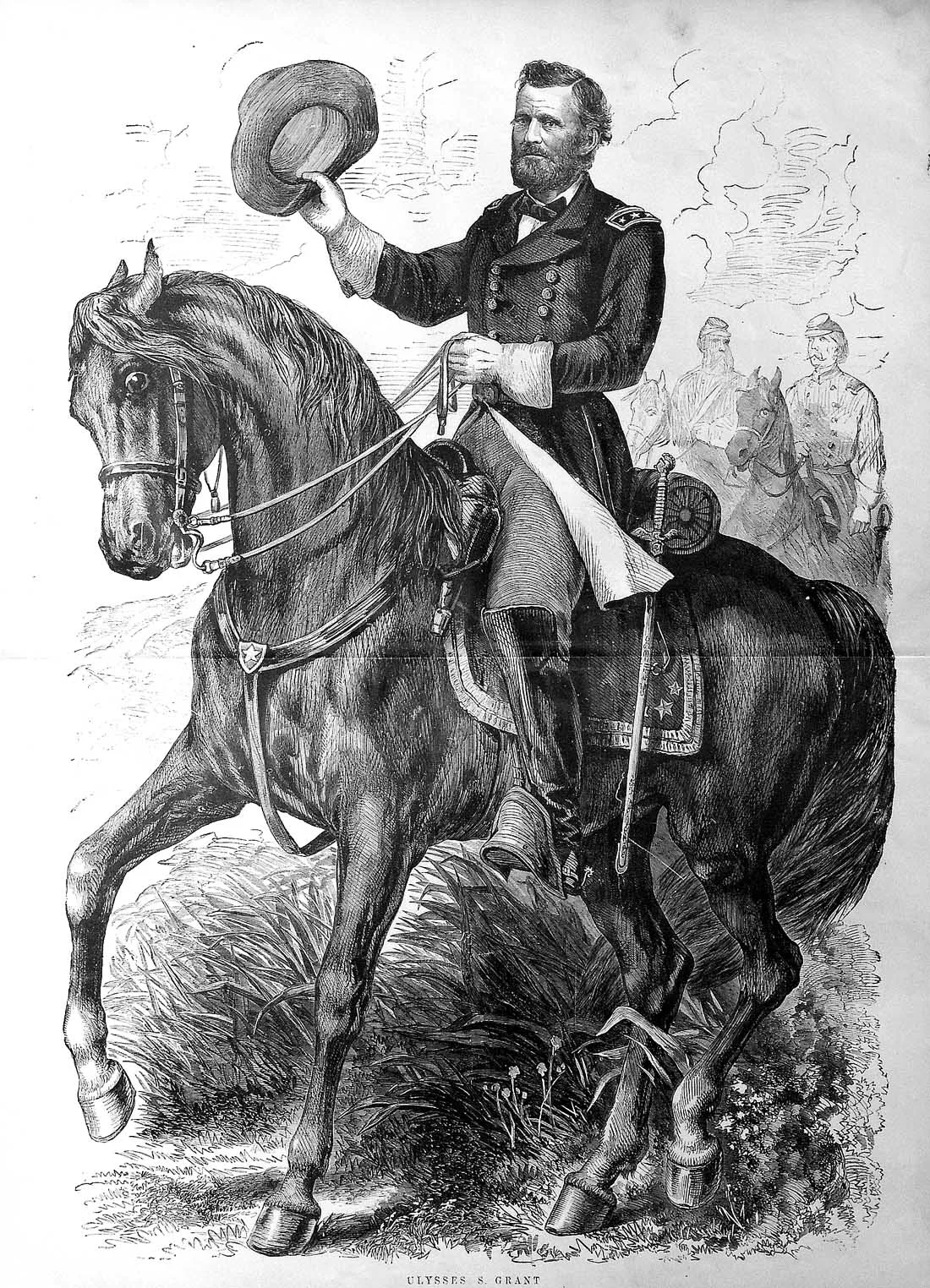
Ulysses S. Grant (1822–1885), a Union general during the Civil War and later the 18th U.S. president, rode numerous horses during the conflict, including Cincinnati, Jeff Davis and Egypt, but his favorite was Cincinnati. He praised the horse as the finest he had ever seen. The horse carried Grant to Appomattox Court House in Virginia for his meeting with Robert E. Lee to discuss the Confederate surrender.
The American West & Early Entertainment
Spradley
Bill Pickett (1870–1932) was the first African American inducted into the Cowboy Hall of Fame. A cowboy known for movies, Wild West shows and rodeo performances, he invented bulldogging. Pickett performed on his horse Spradley.
Comanche
Will Rogers (1879–1935), an Oklahoman cowboy and actor, owned scores of horses. However, he counted Comanche as his favorite childhood pony and Soapsuds as his favorite horse in adulthood.
Governor Ferguson
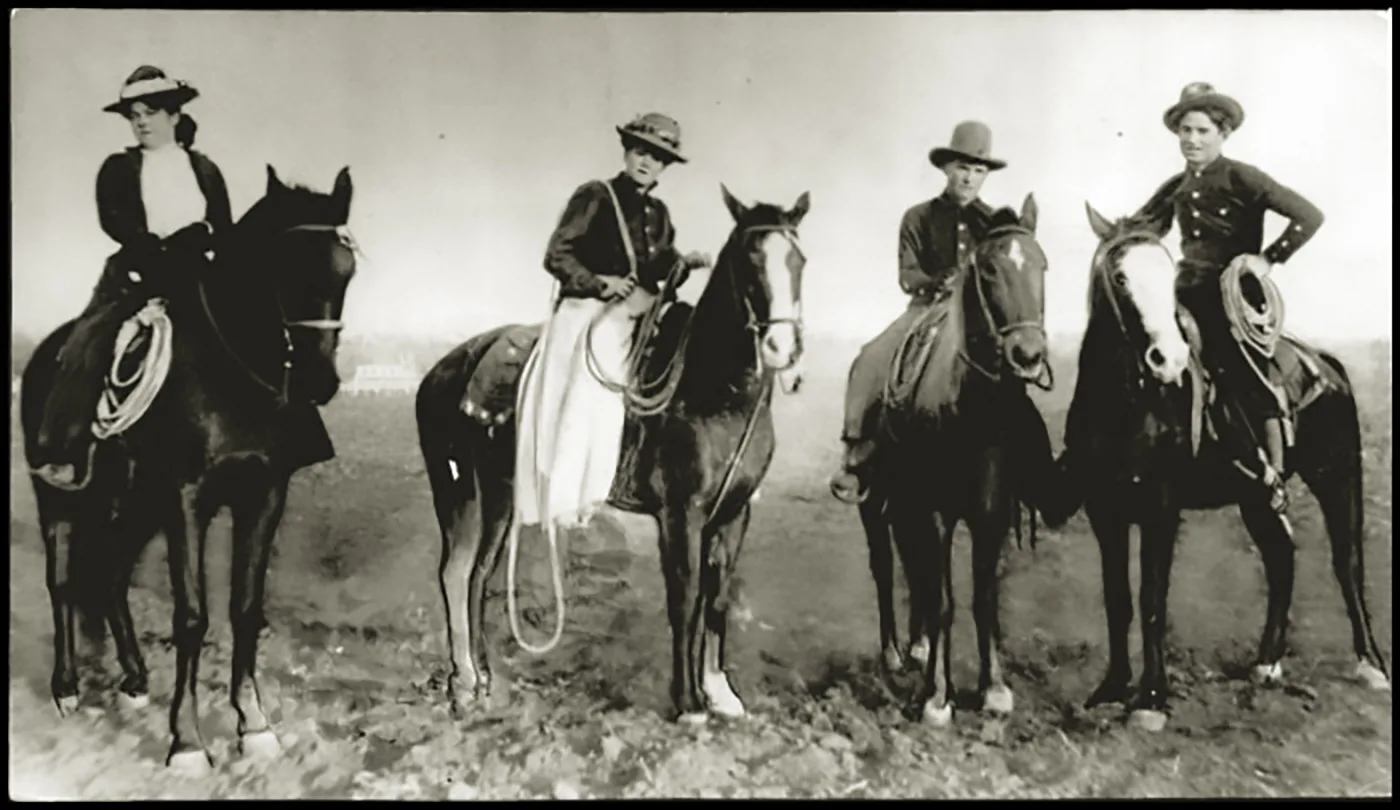
Oklahoman and Wild West performer Lucille Mulhall’s (1885 or 1886–1940) horse, Governor Ferguson, aka “Governor” and “The Wonder Horse,” was named after an Oklahoma territorial governor. Governor could ring a dinner bell, sit upright like a dog, play lame, bow, walk on his knees and dance.
Horses of Hollywood & Television Westerns
Champion the Wonder Horse
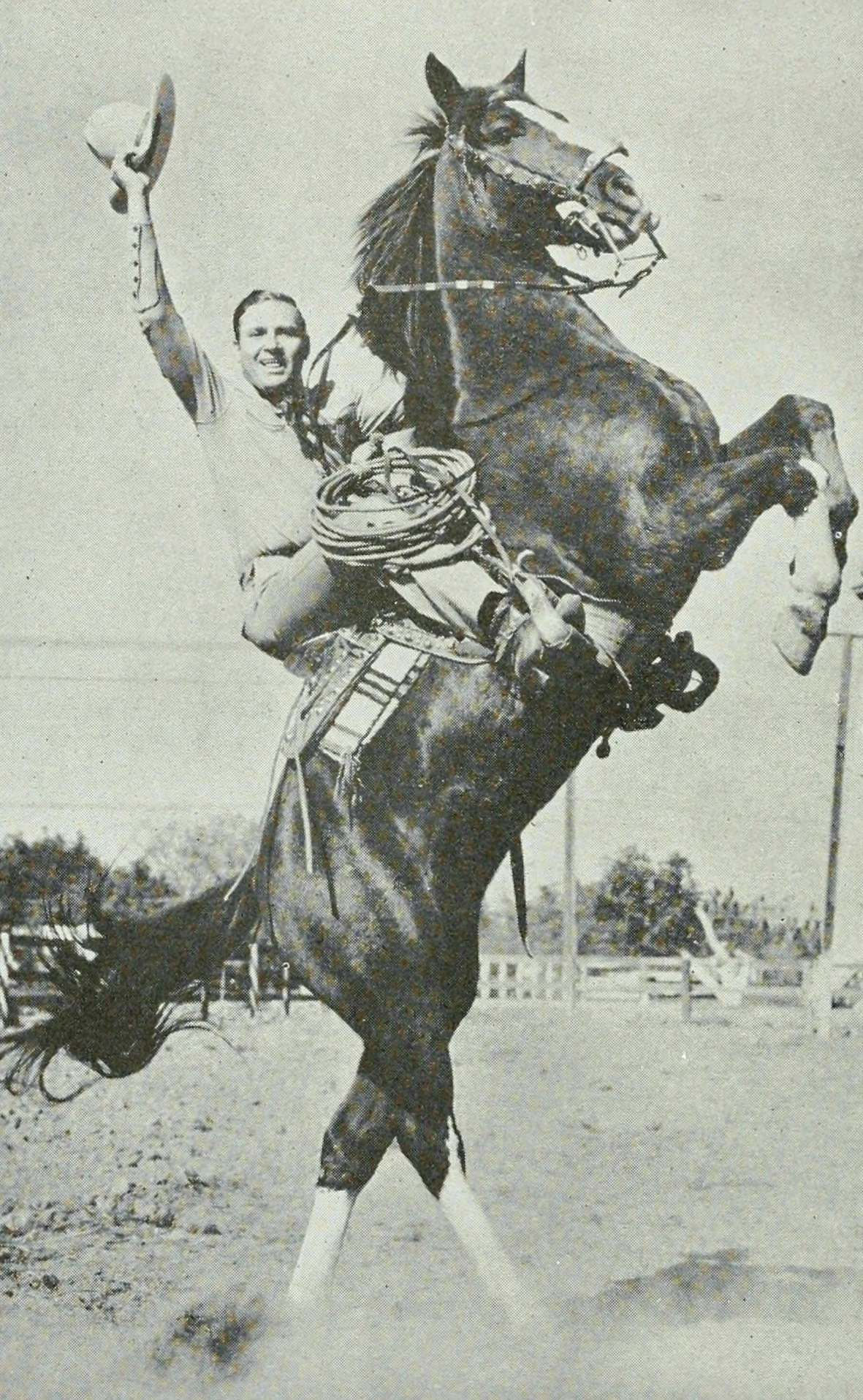
Gene Autry (1907–1998), a Texas-born performer who later made Oklahoma his home, became a legendary figure in film, radio and television as a singing cowboy in Westerns. His favorite horse, Champion the Wonder Horse, received thousands of fan letters each month and appeared in dime novels, children’s stories and comic books. Champion often shared top billing with Autry on movie posters, even appearing above the leading ladies. There were several “official” Champions, and one of the horse’s hoofprints is displayed alongside Autry’s handprints at Grauman’s Chinese Theatre in Hollywood.
Silver
The Lone Ranger was a popular Western television series from 1949–1957, showcasing the Lone Ranger and his sidekick Tonto. The Lone Ranger was known for saying “Hi-Yo, Silver! Away!” referring to his companion horse Silver. Silver helped define the American West.
Trigger
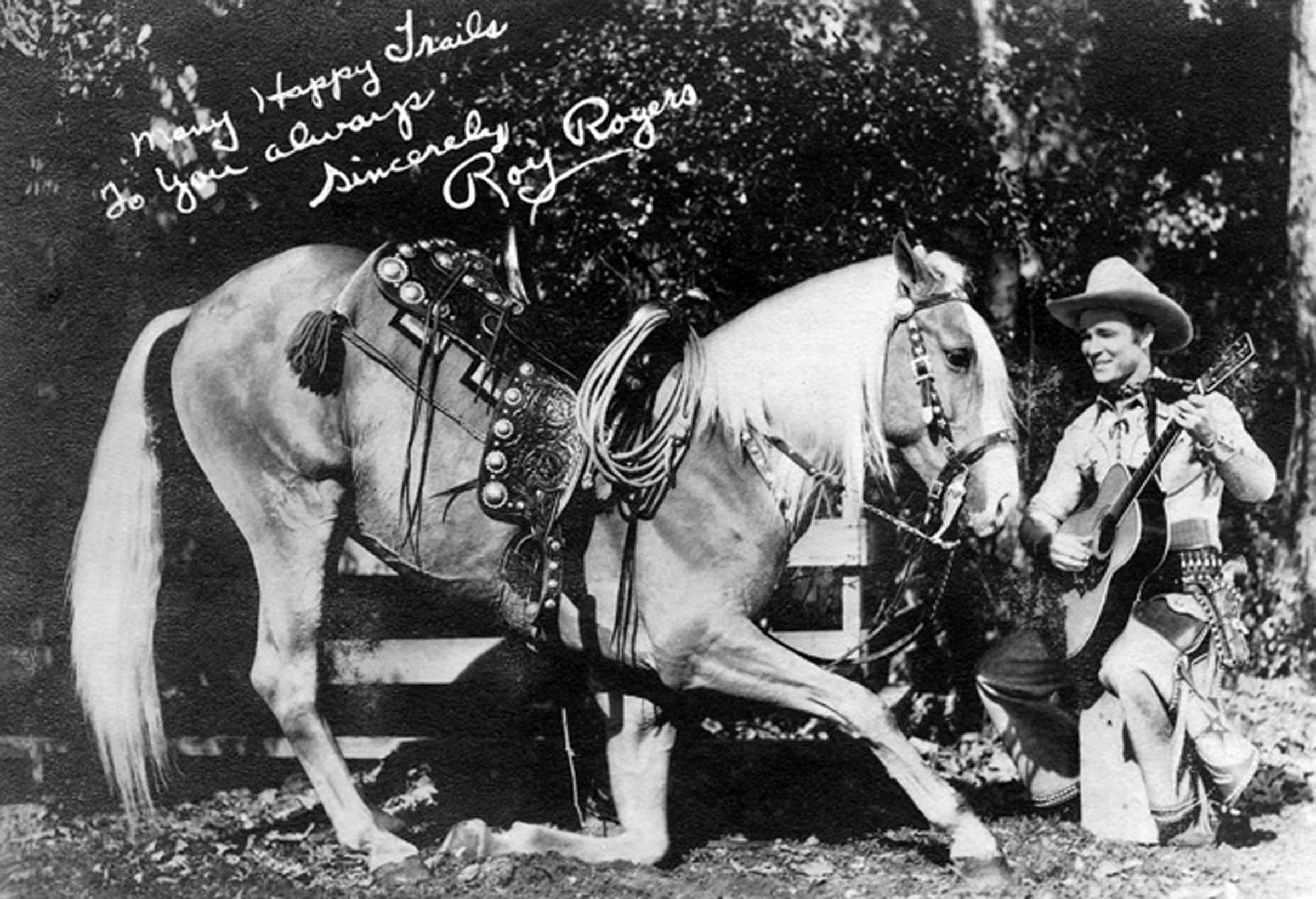
Owned by popular movie star and singer Roy Rogers (1911–1998), Trigger appeared in Rogers’ 90 feature films and 101 television shows. With his own fan club, Trigger learned 150 trick cues. He could walk 50 feet on his hind legs, bow at the sound of applause, sit in a chair, sign his name “X” with a pencil, lie down for a nap and cover himself with a blanket.
Jubilee
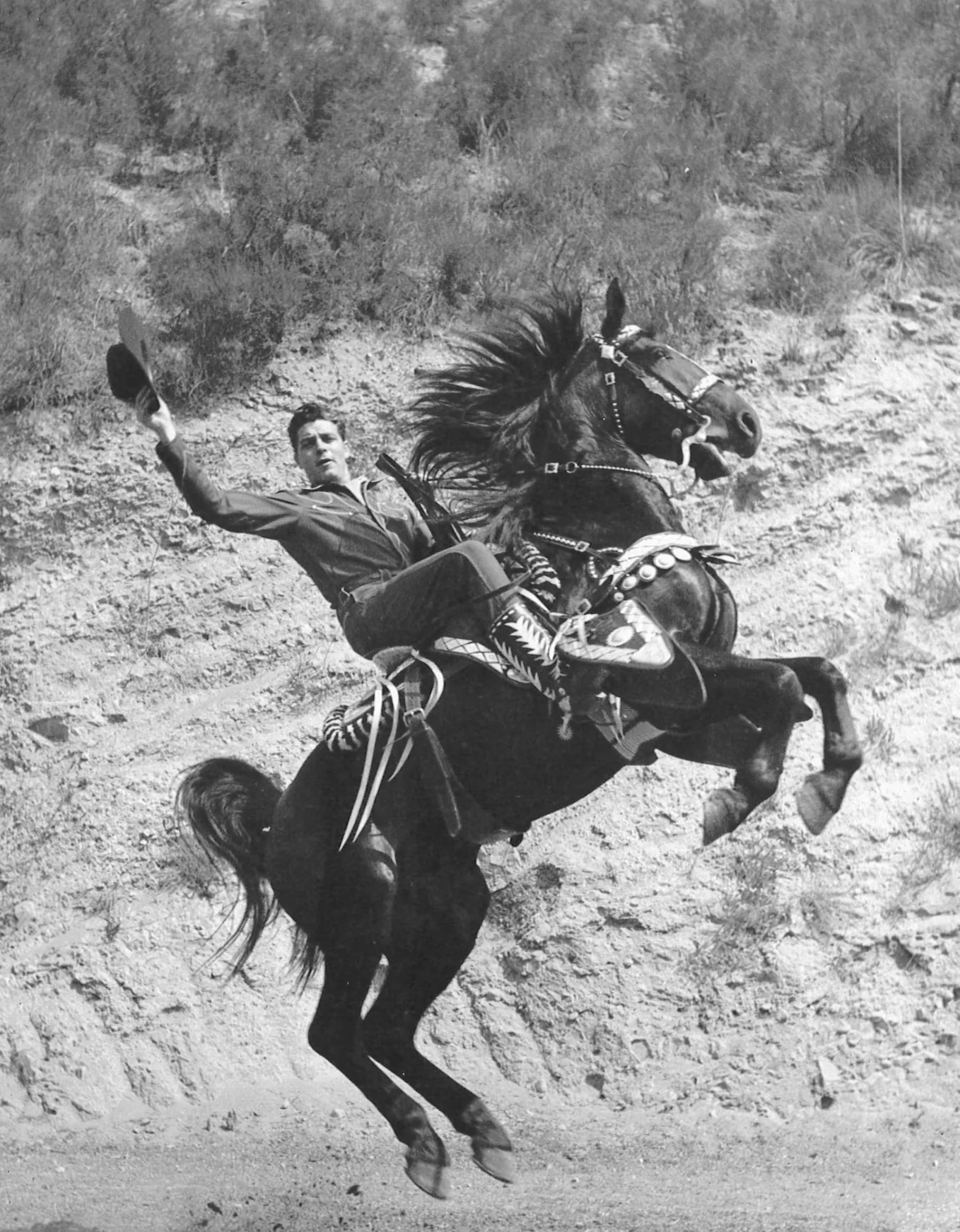
Dale Robertson, an Oklahoma-born actor, horseman and horse breeder, counted Jubilee as his favorite horse. Jubilee starred in more than 200 films and made countless public appearances.
Racing Legends & National Icons
Black Gold
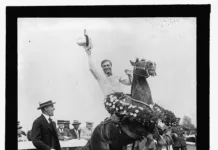
Owned by Oklahoma Osage Nation member Rosa Hoots, Black Gold, aka “The Indian Horse,” won the 1924 Kentucky Derby as the first horse bred and owned by a Native American.
Seabiscuit
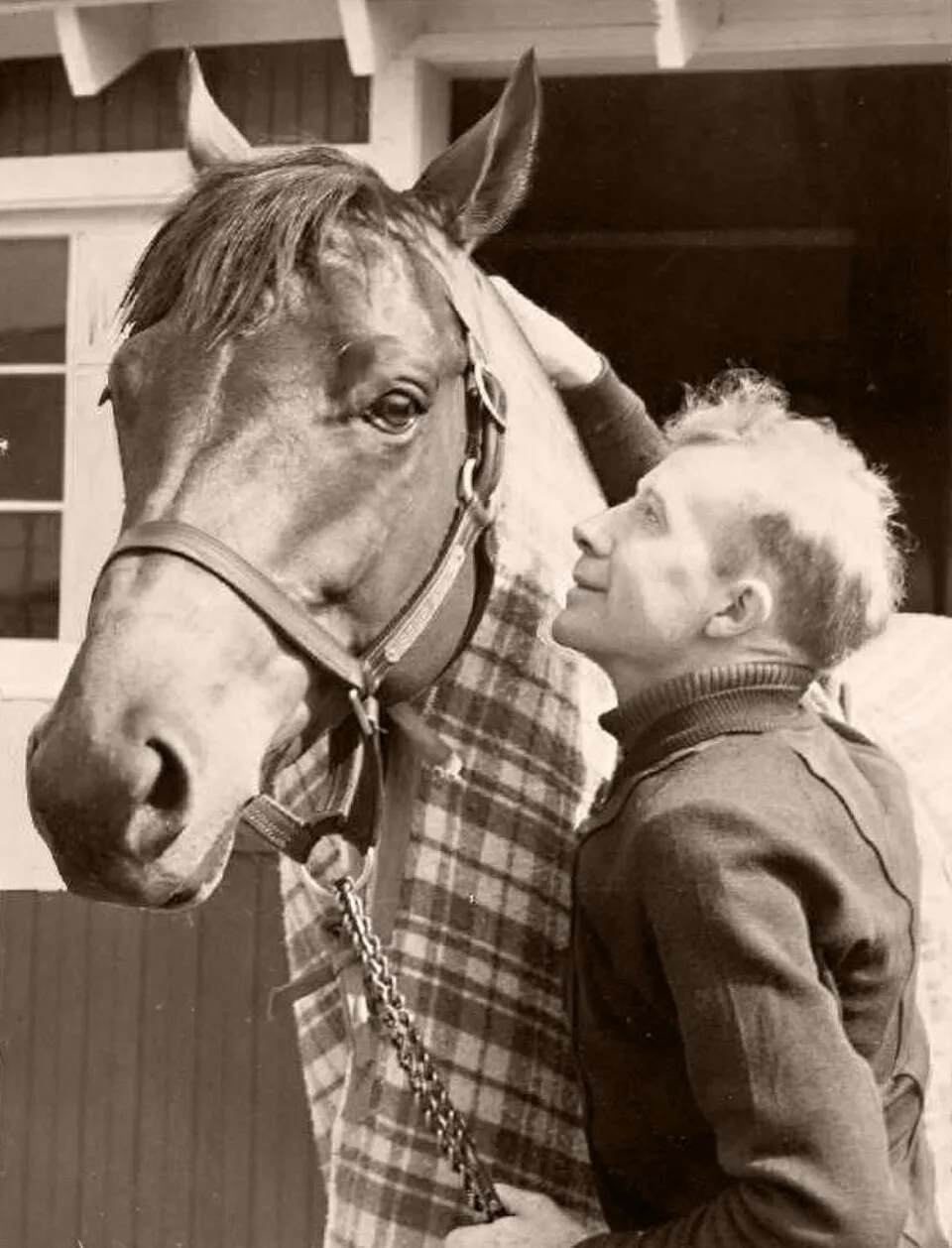
As the underdog, Seabiscuit (1933–1947) was considered lazy and too small by his first trainers. But in 1938, his victory against the Triple Crown winner War Admiral brought celebration in sports history, proving the little guy could win. He became a symbol of hope during the Great Depression.
Secretariat
Secretariat (1970–1989) won the Belmont Stakes in 1973, and he crushed every opponent by 31 lengths. His heart was three times the size of other horses, explaining how he could achieve such incredible speeds.
Horses in Military Service
Black Jack
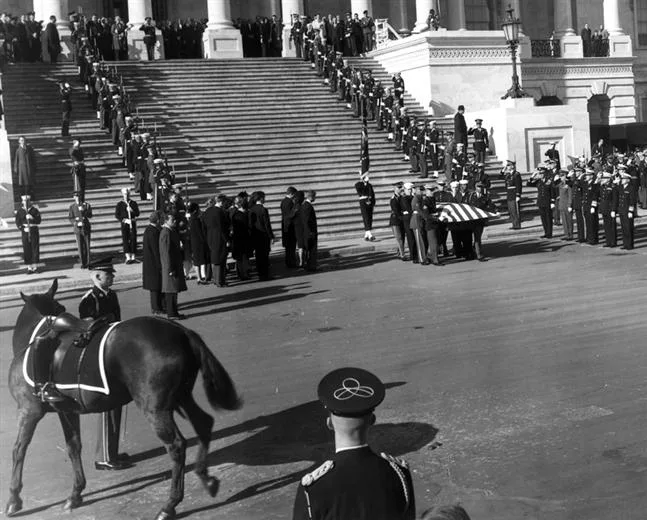
From 1908–1947, Historic Fort Reno near El Reno, Oklahoma, served as a Quartermaster Remount Station, where U.S. troops bred, groomed and trained thousands of cavalry horses and mules for military use. Raised and trained at the fort, Black Jack served as the U.S. Army’s ceremonial riderless horse, appearing in the funeral processions of Presidents Hoover, Kennedy and Johnson, as well as General Douglas MacArthur. He was later sent to Fort Myer, Virginia, where he joined a caisson unit and took part in the burials of more than 1,000 service members from the Korean and Vietnam wars.
Sergeant Reckless
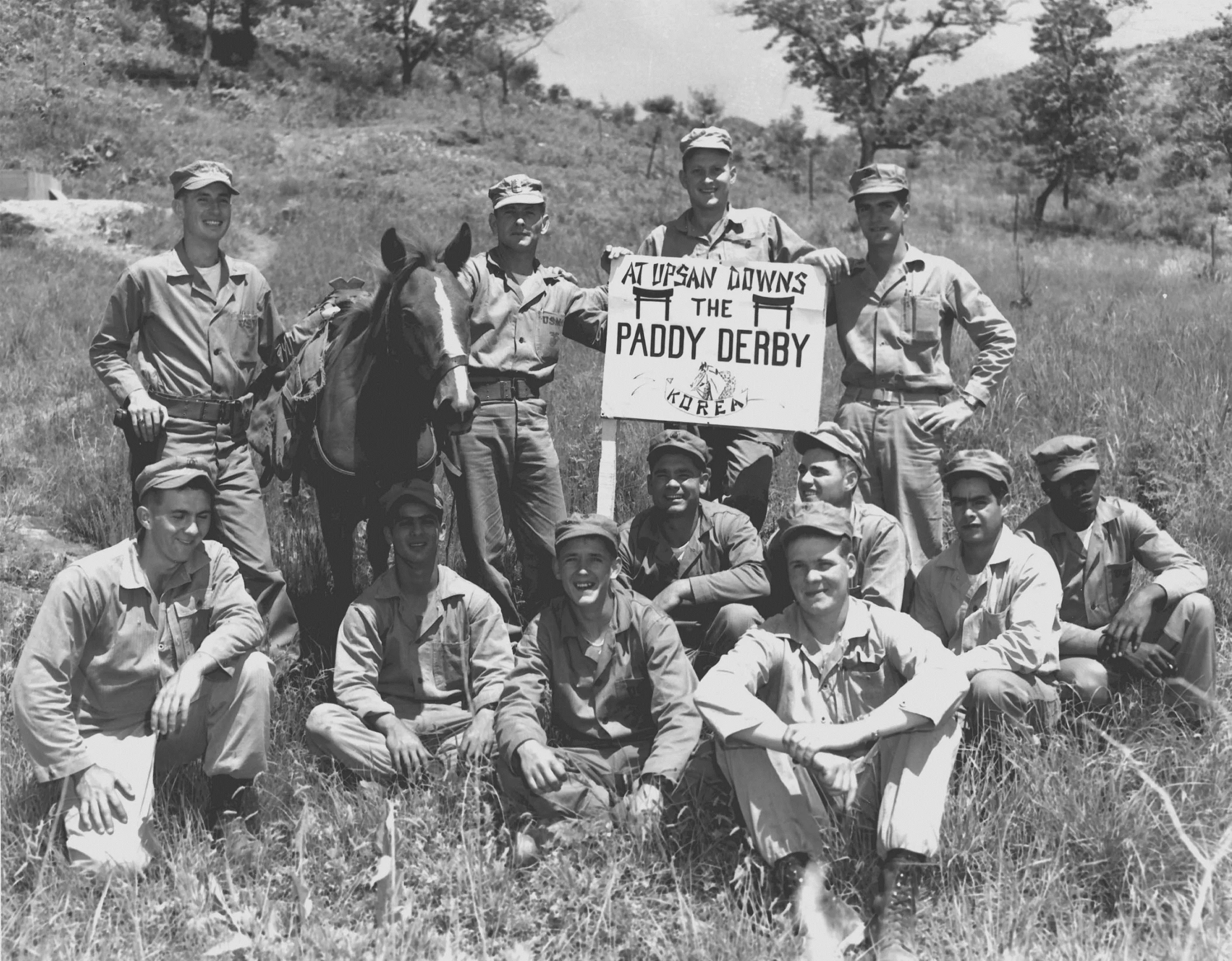
A decorated war horse, Sergeant Reckless (1948–1968) served with the Fifth Marine Regiment in the Korean War. Often without a handler, she transported supplies and evacuated casualties.
Presidential & Modern Traditions
Macaroni
President John F. Kennedy (1917–1963) constructed a stable on the South Lawn for the family pony Macaroni, and for Tex, given to Kennedy’s children by Lyndon B. Johnson.
Bullet
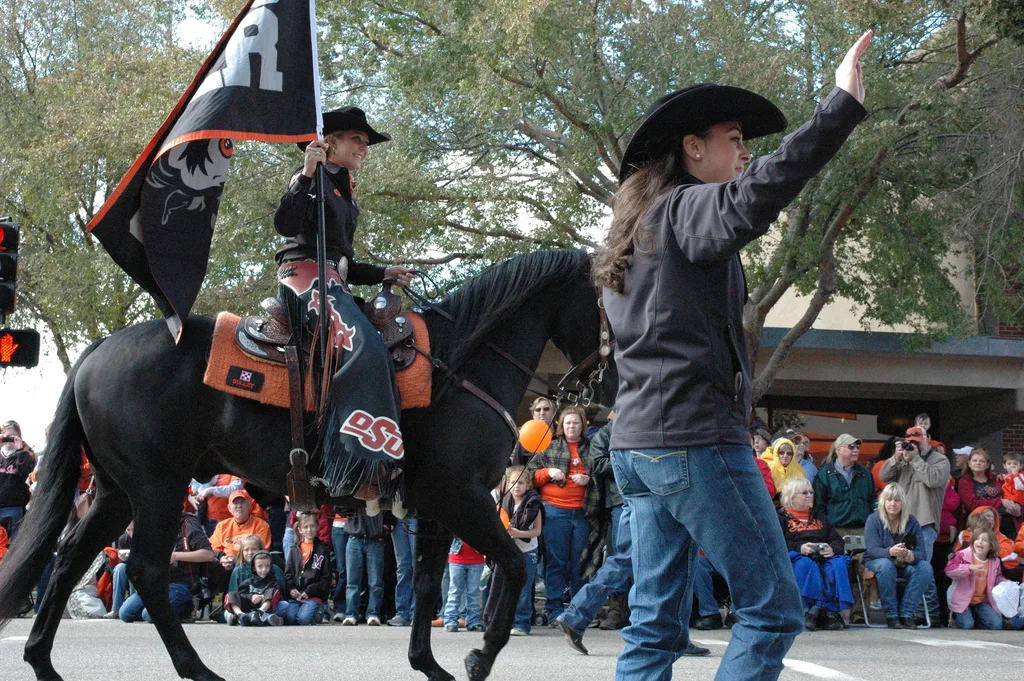
Bullet is Oklahoma State University’s spirit rider horse. Spirit Riders ride Bullet during OSU football games and at other events. The Spirit Rider program debuted in 1984, the brainchild of then-OSU Band Director Richard Kastendieck. Since its origins, there have been numerous horses named Bullet.