by Leigh Ann Matthews | Photos courtesy of Equine Integrative Veterinary Services
With the wide variety of treatment methods and state-of-the-art technology available to horse owners, decisions about health care for our equine partners can sometimes be overwhelming. The medical community continues to introduce new medications, supplements, and therapy techniques, making it difficult for owners to keep up to date.
Owners can rely not only on traditional methods such as blood work, other laboratory tests, and radiology to diagnose and treat equine conditions, but they now also have access to conventional, complementary, and alternative treatments. The well-being of horses can be influenced by multiple considerations, including physical, emotional, and environmental issues. An integrative approach recognizes that conventional and complementary therapies have unique strengths that can blend and work together to offer well-rounded horse care.
Benefits of a Combined Approach
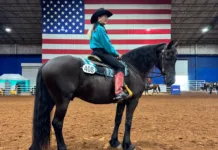
Equine athletes can benefit most from a combined approach because it not only considers the physical demands on the horse but also addresses the emotional considerations of a performance schedule, trailering, changes in feed, grazing, turnout, accommodations, environment, etc.
AJ Bukenhofer, D.V.M., of Equine Integrative Veterinary Services, explained, “While integrative therapies are more commonly utilized by the performance-horse world, they have significant benefits that should not be overlooked for other populations of horses, such as geriatric or retired horses. Integrative therapies can be used as a pharmaceutical-free adjunct for pain relief and as a result, they can help improve overall well-being. Another advantage of adding integrative therapies to your horse’s wellness plan is that the most commonly used integrative therapies are pharmaceutical free, so they are safer to use close to competition or in situations where there is organ dysfunction or intolerances to multiple medications.”
According to Stephanie Pope, author of “Complementary Therapies for Equines: A Holistic Approach,” complementary therapies embody a wide range of practices that focus on promoting balance within the body, supporting its natural healing processes, and addressing the root cause of issues rather than just alleviating symptoms. When combined with conventional diagnostics and treatments, therapies such as acupuncture, chiropractic care, massage therapy, laser therapy, herbal medicine, and other methods can enhance the overall effectiveness of equine health care.
Methods of Treatment
Summaries of some common methods follow:
Acupuncture is the stimulation of a specific spot on the body surface (acupoint) for the diagnosis and treatment of disease. The points are stimulated most commonly with acupuncture needles but also by manual pressure or therapy laser. Acupuncture stimulates sensory nerves in muscles and tissue which might trigger the release of chemicals (endorphins) in the brain, spinal cord, and muscles, which can help reduce pain and relax muscles.
Acupuncture methods include dry needling, using thin needles to treat pain and movement issues in muscles and connective tissues; electroacupuncture, in which an electric current stimulates acupuncture points; and moxibustion, a traditional Chinese medicine therapy involving burning dried leaves of the mugwort plant on or near the skin to stimulate acupuncture points and affected areas.
Chiropractic care for horses is similar to that for humans. It involves manual adjustments and mobilizing joints in the horse’s musculoskeletal system.
Massage therapy involves different types of pressure using the therapist’s hands or a specialized instrument to manipulate the skin. Techniques are designed to relieve tension in soft tissue, promote blood flow, and relax the animal, which can improve outward behavior.
Chinese tui na therapy involves specialized massage techniques to “push and hold” areas of the horse’s body to prevent and treat medical conditions. It can be used with traditional acupuncture treatment or as an alternative for needle-adverse patients.
Laser therapy is the use of monochromatic light energy to alter biological and cellular functions to enhance healing properties of tissue. It is a noninvasive, drug-free treatment designed to reduce pain and inflammation, encourage wound healing, and address conditions including degenerative joint disease, osteoarthritis, tendon and ligament injuries, and generalized pain. Laser therapy can be used in conjunction with other methods or to stimulate acupuncture points in horses that do not tolerate needle therapy.
Nutrition planning and food therapy are also vital to your horse’s mental and physical health. Kris Hiney, D.V.M., of Oklahoma State University, writes, “The digestive system of the horse is designed to intake small meals throughout the day. Natural foraging patterns of horses indicate that they eat approximately 16 hours per day. Generally, horses should have access to pastures, hays, or coarsely processed forage at minimal levels of 1 percent of body weight per day.”
That is often difficult for horse owners to accomplish. Therefore, assistance in planning your horse’s daily food intake is available and can be tailored to the horse’s individual lifestyle.
Hydrotherapy is the use of water to treat a variety of conditions such as ligament damage and to improve cardiovascular fitness, joint flexion, respiration, and other health aspects. Special swimming pools, water treadmills, and equine spas are available in some areas for therapeutic treatments. Something as simple as lightly spraying cold water on an injury can help reduce swelling and provide pain relief.
As veterinary medical procedures and techniques continue to evolve and improve, it’s always best to consult a veterinarian when a problem with your horse occurs. Many specialized treatment professionals and facilities exist, and your vet can help you navigate the varied treatment plans for your horse’s specific needs.